Table of Contents
California’s Fight Against Air Pollution: A Setback
California, a state renowned for its environmental leadership and robust economy, has faced a significant challenge to its clean air initiatives. The state’s long-standing authority to set its own, stricter emissions rules has been curtailed, potentially impacting its ambitious goals for vehicle electrification and air quality. For decades, California has been at the forefront of environmental policy, influencing not only other U.S. states but also global standards. This influence stems from a unique waiver granted under the Clean Air Act, allowing the state to implement regulations exceeding federal requirements. This waiver has been instrumental in the California Air Resources Board’s (CARB) ability to push forward the Advanced Clean Cars II regulation, which mandates all new car sales to be zero-emission by 2035. However, recent actions in Congress have cast a shadow over this vision.
In a contentious 51-44 vote, the Senate moved to overturn California’s plan to ban the sale of new gas-powered cars by 2035. This decision strikes at the heart of California’s efforts to combat air pollution and promote electric vehicle (EV) adoption. Attorney General Rob Bonta has responded by filing a lawsuit, marking the state’s 23rd legal challenge against federal actions this year. Bonta argues that the federal government’s overreach is “illogical” and “politically motivated,” jeopardizing the health and livelihoods of Californians. The legal battle hinges on the interpretation and application of the Congressional Review Act and the historical precedent of granting Clean Air Act waivers.
| Key Metric | Status | Impact |
|---|---|---|
| California’s Emissions Waiver | Revoked | Stricter regulations challenged |
| Advanced Clean Cars II Regulation | Under Legal Challenge | Future of zero-emission vehicle mandate uncertain |
Potential Slowdown in US EV Sales
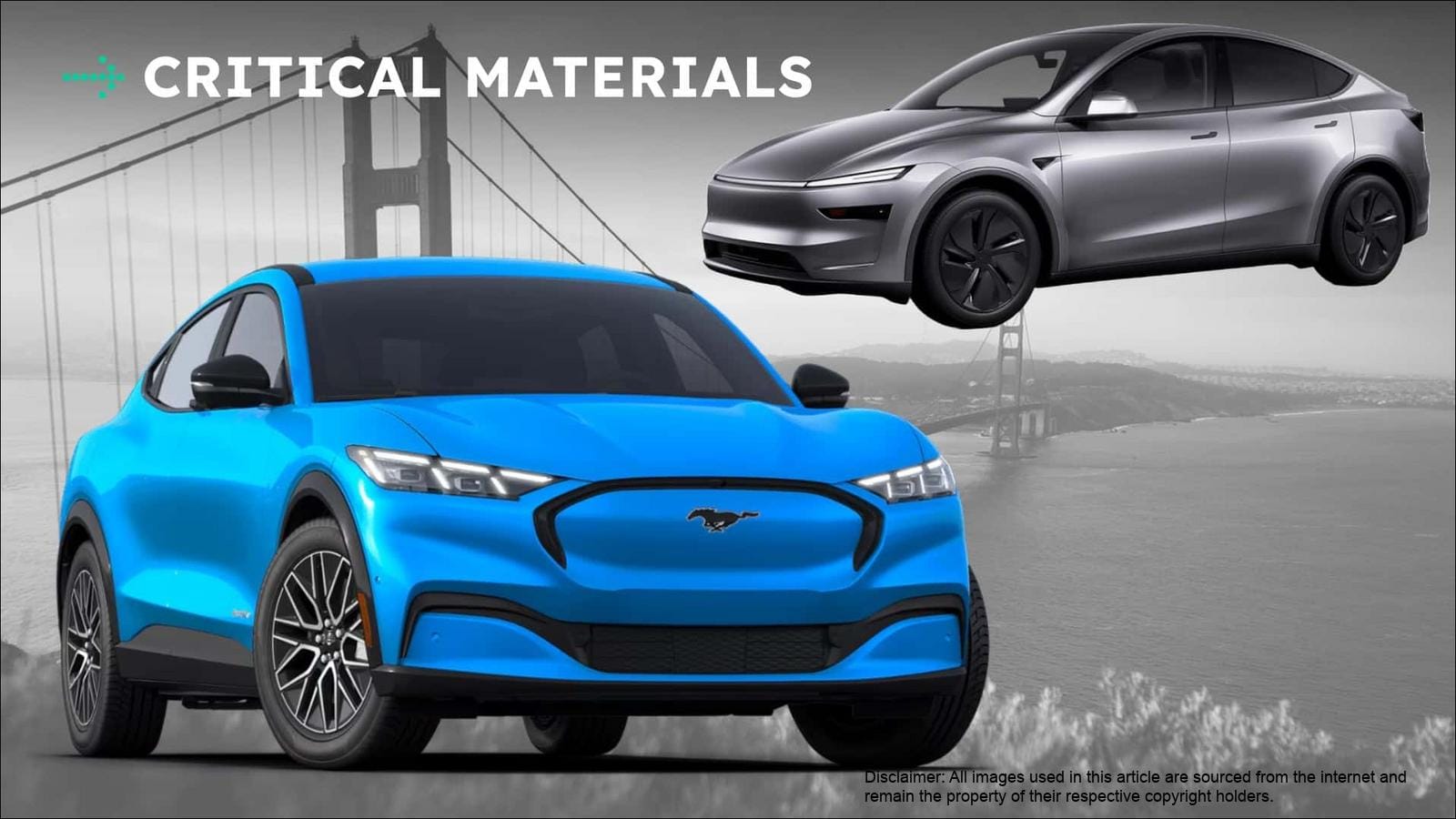
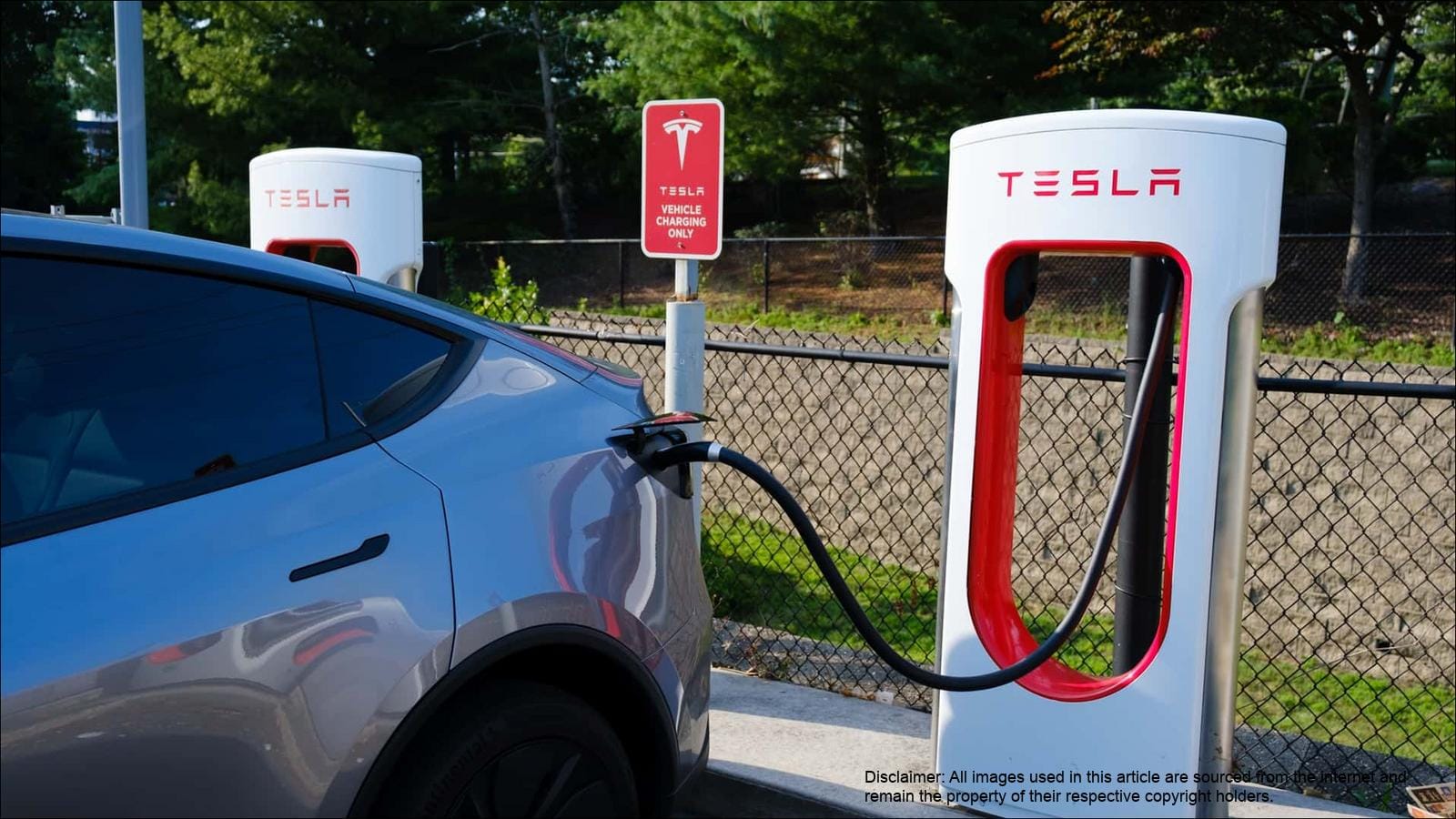
Despite record-high EV sales in the U.S., driven by new models, federal incentives, and improved charging infrastructure, the market faces potential headwinds. California, a leader in EV adoption with over 2 million EVs sold, is experiencing a slowdown in sales growth as it transitions beyond the early adopter phase. Mass market buyers are more concerned about costs, range, and charging infrastructure, leading to more cautious adoption rates. The declining popularity of Tesla, influenced by increased competition and CEO Elon Musk’s political stances, also contributes to this trend.
Adding to these challenges, the House of Representatives passed a bill to end the Inflation Reduction Act’s tax credits for consumers and EV factories. This move could significantly impact the EV industry, potentially increasing the cost of EVs and hindering domestic manufacturing. Experts warn that this could cede technological leadership to countries like China. The EV market, while showing promise, still requires support to overcome barriers such as infrastructure development and cost reduction. Eliminating tax credits could force automakers to scale back incentives, making EVs less accessible to the average consumer.
| Factor | Description | Potential Impact |
|---|---|---|
| End of EV Tax Credits | House bill to eliminate Inflation Reduction Act’s tax credits for consumers and EV factories. | Increased EV costs, reduced consumer incentives, and hindered domestic manufacturing. |
| California Sales Slowdown | EV sales growth slowing as market moves beyond early adopters. | Cautious adoption due to cost, range, and infrastructure concerns. |
Panasonic’s New US Battery Plant: A Challenging Venture
Panasonic, a major supplier of EV batteries, is set to open its second U.S. plant in De Soto, Kansas. This expansion aims to increase local battery manufacturing capacity amid existing tariffs on foreign auto parts. The new 300-acre complex, however, faces challenges, including delays, pressure from Tesla, and potential rollbacks of federal EV subsidies. Panasonic has described this plant as the most difficult to set up, citing factors such as differences in working culture, natural disasters, and tariff uncertainties.
Despite these hurdles, the plant is expected to supply EV batteries to Tesla and other automakers. However, it may still rely on imports from Japan and China, highlighting the need for potential trade deals to ensure a stable supply chain. The success of this venture is crucial for Panasonic’s growth in the U.S. EV market and its ability to meet the increasing demand for batteries. The plant’s challenges underscore the complexities of establishing large-scale manufacturing facilities and the importance of government support and stable trade policies.
| Aspect | Details | Implications |
|---|---|---|
| Location | De Soto, Kansas | Strategic expansion to increase local battery production. |
| Challenges | Delays, cultural differences, tariffs, and potential subsidy rollbacks. | Increased costs and uncertainty in the EV market. |
The Debate Over EV Subsidies
The EV industry faces multiple challenges, including a potential new tax, rollback of tax credits, and the challenge to California’s gas car ban. This raises the question of whether the government should continue subsidizing EV purchases and manufacturing to compete with countries like China. The federal gas car tax has remained unchanged since 1993, while the EV industry faces increasing headwinds.
Opponents of EV tax credits argue that the industry is being unfairly subsidized. However, it is important to note that the fossil fuel industry has benefited from substantial subsidies for decades. Estimates suggest that the U.S. government provides around $20 billion per year in direct and indirect subsidies to the fossil fuel industry, including deductions on drilling and reduced taxes on income from coal, oil, and natural gas businesses. This raises the question of whether EVs should receive similar support, especially considering the public health and environmental benefits they offer. The debate centers on whether to incentivize EVs for public health reasons or to allow the market to develop organically.
| Industry | Type of Support | Estimated Annual Amount |
|---|---|---|
| Fossil Fuel | Direct and indirect subsidies, deductions on drilling, reduced taxes. | $20 Billion |
| Electric Vehicle | Tax credits for consumers and EV factories. | Varies, subject to legislative changes. |