Table of Contents
Chinese EVs and the U.S. Market: An Inevitable Shift?
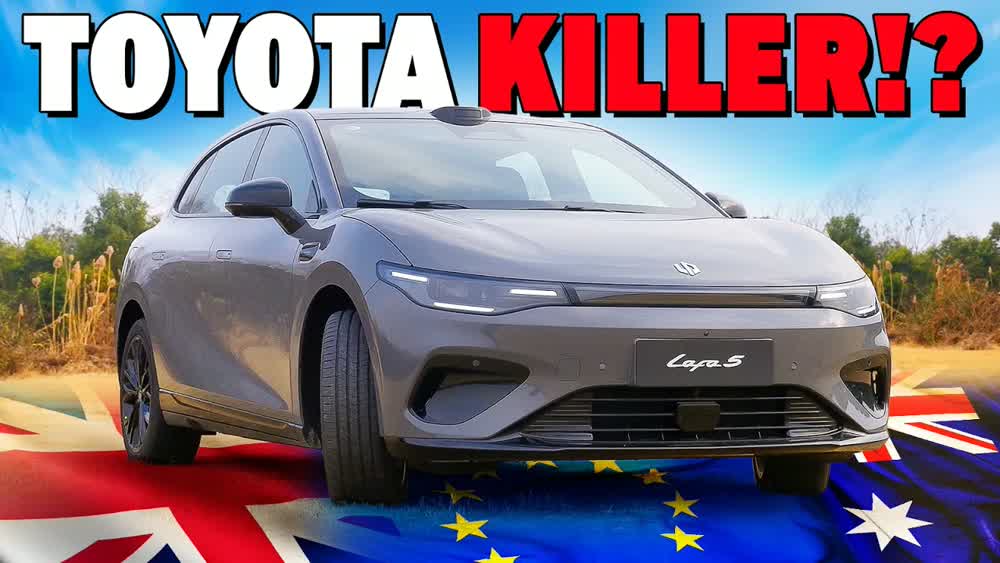
The automotive landscape is bracing for a potential shake-up as Chinese electric vehicles (EVs) gear up to enter the U.S. market. Known for their affordability and advanced technology, these vehicles present a compelling value proposition that has U.S. automakers understandably concerned. Despite existing tariffs and protectionist measures, a significant majority of industry executives believe it’s only a matter of time before brands like BYD and Geely become household names on American roads.
Kerrigan Advisors’ 2025 OEM Survey reveals that 76% of automakers anticipate the arrival of Chinese car manufacturers in the U.S. What’s more, 70% of these executives expressed concerns about the potential financial impact. This isn’t just idle speculation; Chinese automakers have already made significant inroads into markets like Europe and Latin America, employing strategies centered around competitive pricing, cutting-edge technology, and rapid production cycles to gain market share.
The survey also indicates a potential shift in how automakers will operate, particularly concerning dealer networks. Rather than expanding, many OEMs are considering consolidating their dealerships into fewer, larger entities. This move suggests a departure from the traditional sales model, with only 14% of respondents expecting their dealer networks to grow. This consolidation could be a strategic move to better compete with the direct-to-consumer sales approaches that some Chinese EV brands might adopt.
| Metric | Percentage |
|---|---|
| Automakers Believing Chinese EVs Will Enter the U.S. Market | 76% |
| Automakers Concerned About Financial Implications | 70% |
| Automakers Expecting Dealer Network Growth | 14% |
China’s “Cash-for-Clunkers” Program: A Massive Success
In 2009, the U.S. launched the “Cash for Clunkers” program, an initiative aimed at stimulating the economy and reducing emissions by incentivizing the trade-in of older, less fuel-efficient vehicles for newer models. While the program was popular, it quickly exhausted its funding and resulted in 677,081 vehicle retirements. China, however, took a similar concept to an entirely new level.
China’s version of “Cash for Clunkers,” launched in May, achieved a staggering 10 million trade-ins of combustion engine vehicles for New Energy Vehicles (NEVs). This initiative not only mirrored the U.S. program’s goals of reducing emissions and boosting the economy but also heavily promoted the adoption of electric vehicles and hybrids. Data from the China Passenger Car Association (CPCA) indicates that nearly 70% of private car buyers utilized the trade-in scheme in April, with NEVs accounting for over 53% of all trade-in transactions. NEV sales from January to April totaled 3.324 million units, a 35.7% year-on-year increase, and market penetration for NEVs reached 48.4%.
Furthermore, the program has significantly boosted recycling efforts, with 2.767 million scrapped vehicles processed for recycling between January and April, representing a 65% year-on-year increase. This comprehensive approach underscores China’s commitment to both environmental sustainability and domestic auto industry growth, particularly in the realm of electric vehicles. The success of this program highlights the potential impact of strong governmental support and incentives in driving EV adoption, a stark contrast to the ongoing debates surrounding EV tax credits in the U.S.
| Metric | Value |
|---|---|
| Total Trade-Ins for NEVs | 10 Million |
| NEV Sales (Jan-Apr) | 3.324 Million Units |
| Year-on-Year Increase in NEV Sales | 35.7% |
| Scrapped Vehicles Recycled (Jan-Apr) | 2.767 Million |

Tesla Employee Voices Concerns, Faces Consequences
The intersection of corporate culture and free speech is often a delicate balance, particularly in high-profile companies like Tesla. Recently, Matthew LaBrot, a Tesla employee and enthusiast, found himself on the wrong side of this balance after publishing an open letter calling for Elon Musk’s resignation as CEO. LaBrot, a Cybertruck driver, Model Y owner, and Tesla Solar customer, expressed concerns about the negative impact of Musk’s personal brand on the company.
LaBrot launched a website titled “Tesla Employees Against Elon,” outlining his reasons for advocating a change in leadership. He argued that Musk’s actions were damaging the Tesla brand and affecting demand for its vehicles. Following the website’s publication and LaBrot’s participation in a protest where he spray-painted his Cybertruck with slogans critical of Musk, Tesla terminated his employment. While the company cited the use of company resources for the website as the reason for his dismissal, LaBrot denied these claims. His account on X, formerly Twitter, was also suspended.
This incident raises important questions about the extent to which employees can voice concerns about their company’s leadership, especially in the context of a CEO as prominent and influential as Elon Musk. It also highlights the challenges companies face in managing employee activism and maintaining brand image. The situation serves as a case study in the complexities of balancing free speech with corporate interests, particularly in an era where social media amplifies individual voices.