Table of Contents
Electrify America Pioneers Dual-Cable EV Charging
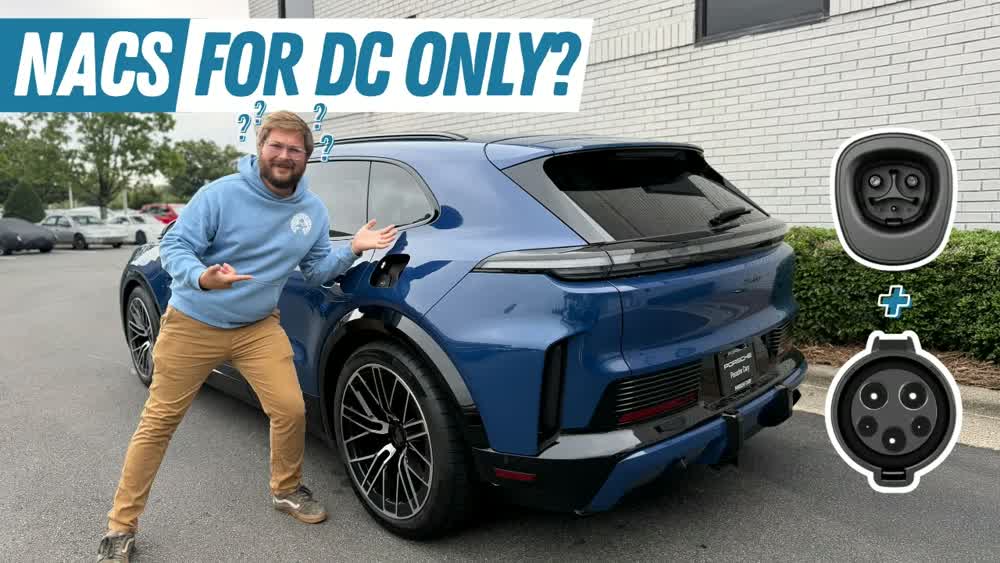
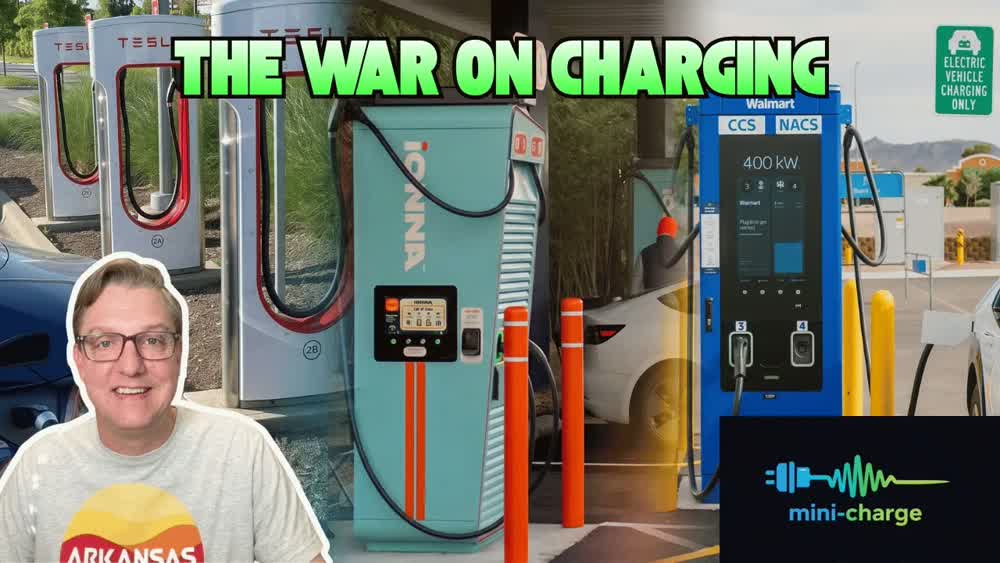
Electrify America, a key player in the expansion of EV charging infrastructure across the United States, is taking a significant step towards universal charging accessibility. The company has initiated a pilot program featuring charging stations equipped with both CCS1 and NACS connectors. This innovative approach allows both Tesla and non-Tesla electric vehicles to charge seamlessly at the same station, eliminating the need for adapters and streamlining the charging experience for all EV drivers. This move underscores Electrify America’s commitment to fostering a more inclusive and convenient EV ecosystem.
Currently, two pilot locations are operational: one in Orlando, Florida, and another in Waterford, Connecticut. These stations are equipped with Alpitronic dispensers, each boasting a total of four cables: two CCS1 and two NACS. This setup ensures that multiple vehicles can charge simultaneously, maximizing station utilization and reducing wait times for EV owners. The stations also offer user-friendly payment options, including the Electrify America app and a contactless payment system, further enhancing the convenience of the charging process.
Understanding CCS1 and NACS
To fully appreciate the significance of Electrify America’s initiative, it’s crucial to understand the difference between CCS1 and NACS connectors. CCS1 (Combined Charging System 1) has been the standard charging port for most non-Tesla EVs in North America. Vehicles like the Rivian R1T, Chevrolet Equinox EV, and Honda Prologue are equipped with CCS1 inlets.
However, the landscape is shifting. NACS (North American Charging Standard), originally designed by Tesla, is rapidly gaining traction as the preferred charging standard. Several major automakers have announced plans to adopt NACS ports in their future EV models for the North American market. This transition is largely driven by Tesla’s decision to open its Supercharger network to other manufacturers, making NACS a more universally accessible and convenient option for EV owners. The move by Electrify America to integrate NACS connectors into their charging stations is a proactive response to this industry trend, ensuring that their network remains compatible with the evolving needs of the EV market.
The Need for Speed: Electrify America vs. Tesla Superchargers
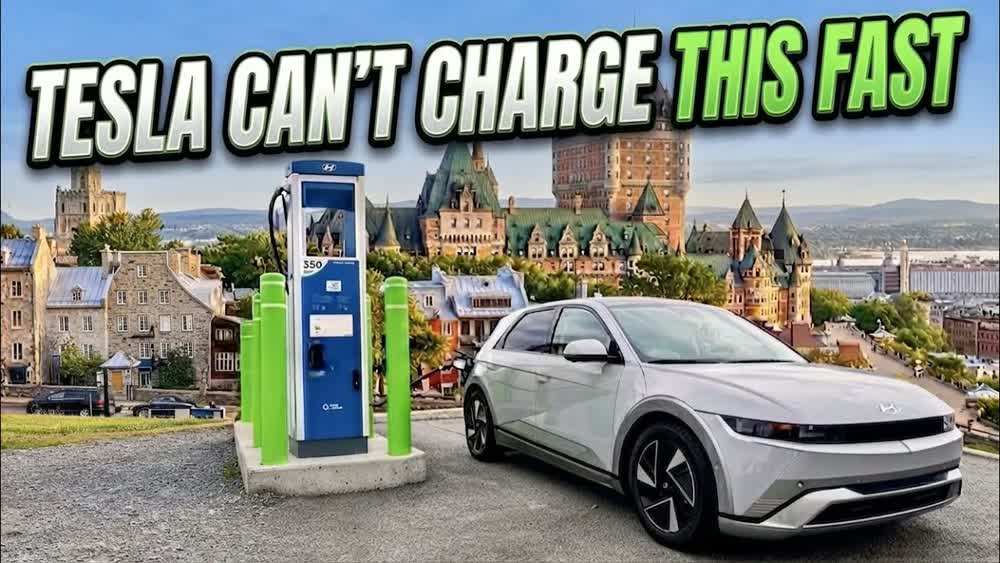
While the Tesla Supercharger network is extensive and generally reliable, it’s important to consider charging speeds. Most Supercharger stalls currently offer a maximum output of 250 kW. While this is sufficient for many EVs, newer models like the Lucid Air, Porsche Taycan, and Hyundai Ioniq 5 can take advantage of higher charging speeds. This is where Electrify America’s 400 kW stalls become particularly advantageous.
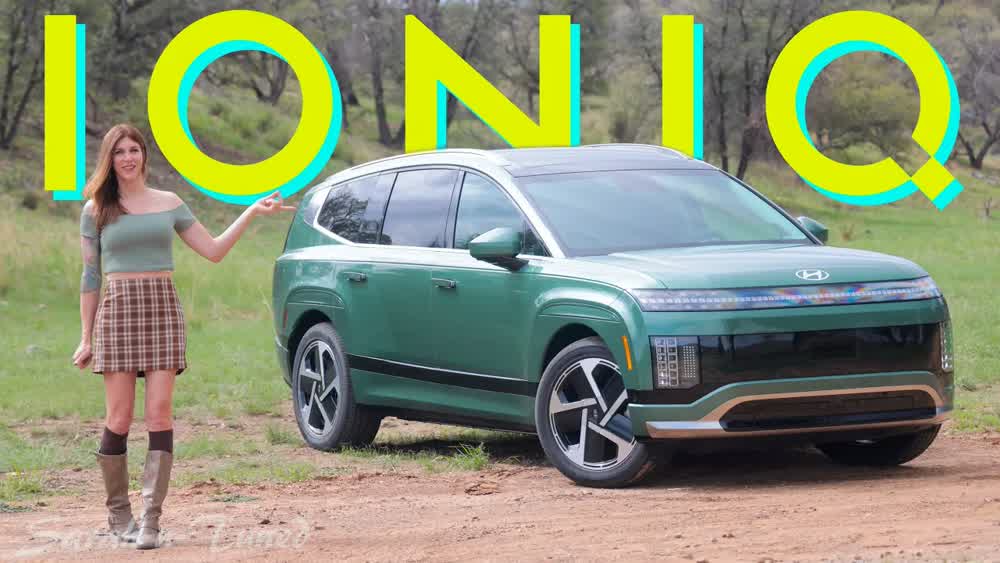
For example, the Hyundai Ioniq 9, which comes equipped with a NACS port, could experience longer charging times at a Tesla Supercharger due to voltage limitations. The Ioniq 9 can handle roughly 800 volts, whereas Superchargers typically deliver less than 500 volts. By offering 400 kW charging, Electrify America caters to EVs with higher voltage architectures, enabling faster charging and reduced travel times. Tesla is actively working to upgrade its network with V4 stalls that will offer increased power output, but for now, Electrify America’s dual-cable, high-powered stations provide a compelling alternative for EV owners seeking the fastest possible charging experience. As more charging networks integrate NACS connectors, the need for adapters will gradually diminish, making EV charging more seamless and convenient for everyone.
| Feature | Electrify America | Tesla Supercharger |
|---|---|---|
| Connector Types | CCS1 & NACS (Pilot) | NACS (Native) |
| Maximum Power Output | 400 kW | 250 kW (V3) |
| Payment Options | App, Contactless | App |