Table of Contents
1. Introduction: EVs vs. Combustion Cars
The automotive landscape is rapidly changing, with electric cars (EVs) gaining prominence. One crucial aspect of this shift is the reliability of EVs compared to traditional combustion engine vehicles. Recent data from Germany’s ADAC (Allgemeiner Deutscher Automobil-Club), Europe’s largest automobile association, sheds light on this topic. ADAC, which provides roadside assistance to its members, has compiled extensive data on vehicle breakdowns, offering valuable insights into the reliability of different types of cars. This article delves into ADAC’s findings, comparing the breakdown rates of electric cars and their combustion counterparts, and exploring the factors contributing to these rates. The analysis focuses on data from the last five years, providing an up-to-date perspective on the evolving reliability of electric vehicles.
2. Overall Breakdown Rates: A Comparative Analysis
The headline finding from ADAC’s data is that electric cars manufactured between 2020 and 2022 exhibit a significantly lower breakdown rate compared to combustion engine vehicles. Specifically, EVs had an average breakdown rate of 4.2 per 1,000 vehicles, while combustion cars experienced a rate of 10.4 per 1,000 vehicles. This stark contrast underscores the increasing reliability of electric vehicles. It’s important to note that these figures represent breakdowns requiring roadside assistance and not necessarily overall reliability, but they still offer a valuable comparison. Furthermore, the data reveals a positive trend: the breakdown rates for both EVs and combustion cars have been steadily decreasing since 2020. For instance, in 2020, EVs had an average of 8.5 breakdowns per 1,000 vehicles, which dropped to 1.7 by 2022. Similarly, combustion cars saw a decrease from 12.9 breakdowns in 2020 to 5.4 in 2022. This decline suggests improvements in vehicle manufacturing and technology across the board.
| Year | EVs (Breakdowns per 1,000 vehicles) | Combustion Cars (Breakdowns per 1,000 vehicles) |
|---|---|---|
| 2020 | 8.5 | 12.9 |
| 2021 | 4.3 | 8.2 |
| 2022 | 1.7 | 5.4 |
3. Common Breakdown Issues: EVs vs. Combustion Cars
Interestingly, the most frequent cause of breakdowns for both electric and combustion cars is the low-voltage (12-volt) battery. This component, essential for starting the car and powering accessories, is virtually identical in both types of vehicles. According to ADAC’s data, the 12-volt battery accounts for approximately 50% of EV breakdowns and 45% of combustion car breakdowns. This finding is reassuring for EV owners concerned about the high-voltage battery or other complex EV-specific components failing. Other common issues for EVs include problems with the motor, motor management, and high-voltage system (18%), tires (13%), and the generator, starter, electrical system, and lighting (10%). For combustion cars, after the 12-volt battery, frequent issues involve the generator, starter, electrical system, and lighting (23%), motor, motor management, and high-voltage system (10%), and tires (8%). These figures highlight that while EVs have fewer moving parts, some electrical and electronic components remain potential points of failure.
| Issue | EVs (%) | Combustion Cars (%) |
|---|---|---|
| 12-volt Battery | 50 | 45 |
| Motor, Motor Management, High-Voltage System | 18 | 10 |
| Tires | 13 | 8 |
| Generator, Starter, Electrical System, Lighting | 10 | 23 |

4. Model-Specific Data: Highs and Lows in EV Reliability
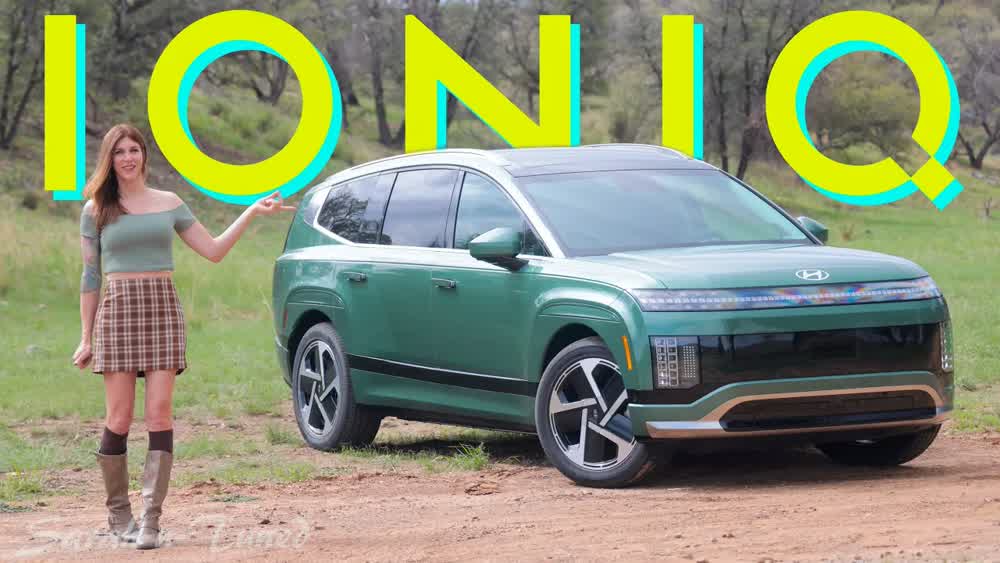
While the overall trend favors EVs, ADAC’s data reveals significant variations among different models. The Hyundai Ioniq 5, for example, stands out with a relatively high breakdown rate of 18.3 for 2021 models and 22.4 for 2022 models. In contrast, the Tesla Model Y, a direct competitor to the Ioniq 5, had a breakdown rate of just 0.9 for 2022 models. The Tesla Model 3 also performed well, with its breakdown rate decreasing from 4.4 for 2019 models to 0.5 for 2022 models. Volkswagen’s ID.4 showed strong reliability, with a breakdown rate of only 1 per 1,000 vehicles for 2022 models. Even the more affordable Dacia Spring had a respectable breakdown rate of 2.9 for 2022 models, significantly lower than the Hyundai Ioniq 5. These model-specific differences suggest that manufacturing quality, design choices, and component selection play a crucial role in determining the reliability of electric vehicles.
| Model | Breakdown Rate (per 1,000 vehicles, 2022 models) |
|---|---|
| Hyundai Ioniq 5 | 22.4 |
| Tesla Model Y | 0.9 |
| Tesla Model 3 | 0.5 |
| Volkswagen ID.4 | 1.0 |
| Dacia Spring | 2.9 |
5. ADAC’s Conclusion: The Improving Reliability of EVs
ADAC attributes the overall decrease in EV breakdown rates to manufacturers addressing initial problems and weaknesses through continuous learning and improvement. The organization notes that while outliers exist, the general robustness and diversity of electric vehicles in the German market contribute to a lower overall breakdown rate. This suggests that as EV technology matures and manufacturers gain more experience, the reliability of electric cars will continue to improve, making them an increasingly attractive option for consumers.
6. Frequently Asked Questions


Tesla Redesigns Doors for Emergency Safety

Lyft Teams With Waymo to Catch Uber

Polestar 4’s No Rear Window Wins Over 80% of Buyers

Hyundai’s 600-Mile EREV: 2027 Game Changer

Tesla Redesigns Doors for Emergency Safety

BMW: Gas Engines Will Never Die

Tesla Car Wash Mode: Don’t Make This Costly Mistake

Tesla FSD vs NYC Chaos: Robotaxi Test


Any Charging Problem?
Let Us Know 24/7