Table of Contents
ExxonMobil’s EV Battery Push
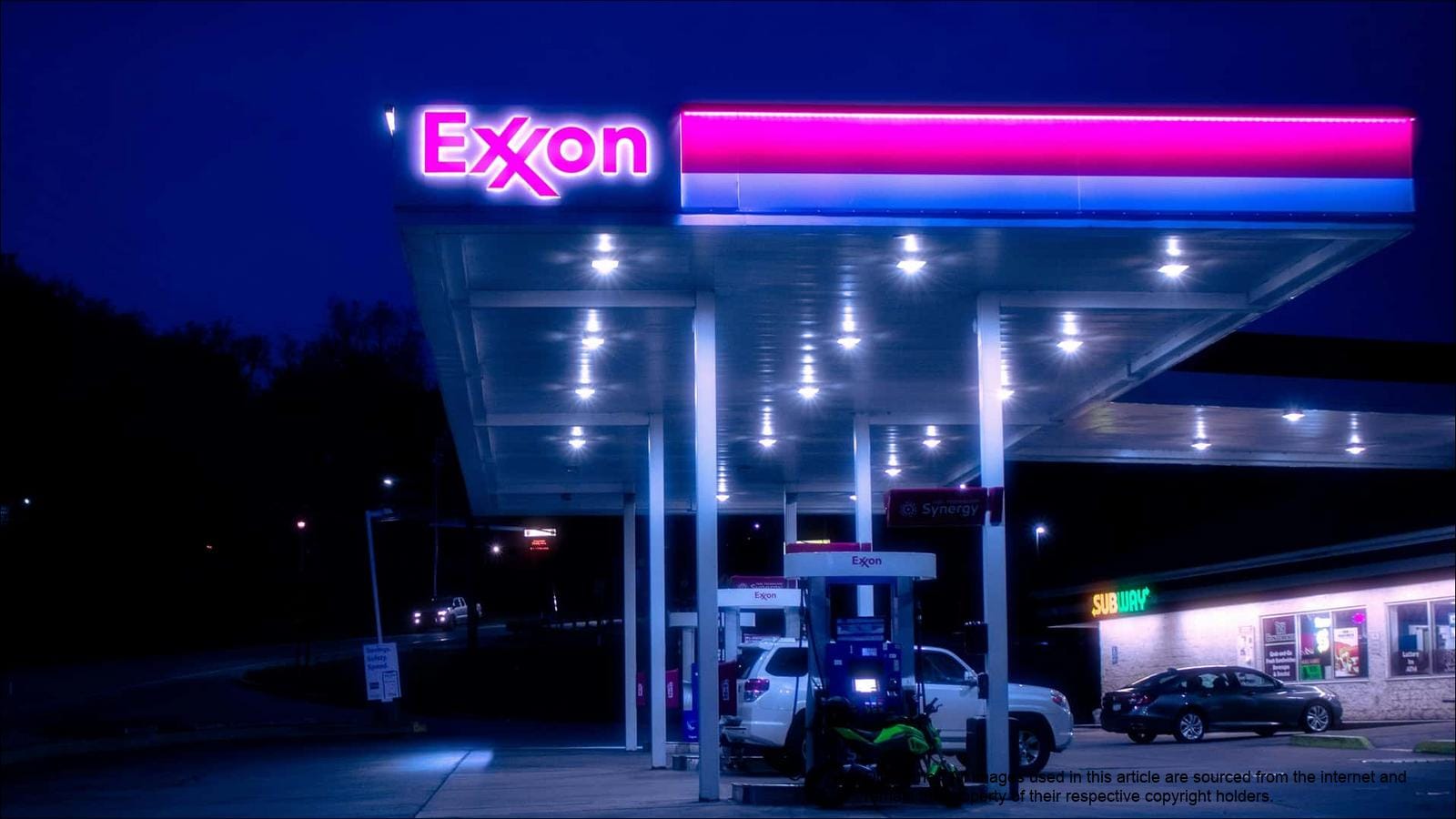
ExxonMobil, historically known as a major oil company, is making significant strides into the electric vehicle (EV) battery market. The company, which had a hand in the original invention of the lithium-ion battery, is now focusing on developing and supplying key materials for EV batteries. This move signifies a strategic shift as the demand for oil slows and the market for renewable energy solutions grows. ExxonMobil is positioning itself not only as a lithium supplier but also as an innovator in battery technology, specifically with advancements in synthetic graphite anodes.
According to a recent announcement, ExxonMobil claims to have developed a new type of synthetic graphite that can extend an EV battery’s lifespan by 30%. This claim is based on the material’s performance in EV battery anodes, which are critical components for storing electrons during charging. The company reports that this material is currently being tested by several EV manufacturers, though the names of these companies have not been disclosed. The potential benefits of this innovation include improved battery performance, longer driving ranges, and faster charging speeds, all of which are key factors for consumers considering electric vehicles.
| Claim | Details | Impact |
|---|---|---|
| Battery Lifespan Extension | Synthetic graphite anode extends lifespan by 30%. | Reduces battery replacement frequency. |
| Superior Graphite Acquisition | Acquired to build a robust synthetic graphite supply chain in the U.S. | Ensures stable supply and reduces reliance on foreign sources. |
The Science of Synthetic Graphite
Graphite is a crucial material in lithium-ion batteries, primarily used in the anode. The anode is the negative electrode of the battery, responsible for storing lithium ions during the charging process. While graphite is abundant, the quality and source of graphite can significantly impact battery performance. Natural graphite requires extensive mining, which can be labor-intensive and environmentally damaging. Additionally, the supply of battery-grade natural graphite is heavily concentrated, with China controlling a significant portion of the global supply.
Synthetic graphite offers an alternative that is less labor-intensive and more consistent in quality. ExxonMobil’s approach involves using “carbon-rich feedstocks from existing refining streams” to produce synthetic graphite. This means utilizing byproducts from oil refining, such as petroleum coke or coal tar pitch, as raw materials. This process not only reduces the need for extensive mining but also provides a use for materials that would otherwise be waste products. The consistency in quality of synthetic graphite can lead to more reliable and predictable battery performance, enhancing the overall efficiency and lifespan of EV batteries. This is a significant advantage as manufacturers strive to improve the reliability and longevity of EV technology.
| Material Type | Source | Processing | Environmental Impact | Control of Supply |
|---|---|---|---|---|
| Natural Graphite | Mined from the earth | Labor-intensive mining | High due to mining | China controls 95% |
| Synthetic Graphite | Carbon-rich feedstocks | Less labor-intensive | Lower, uses waste products | More diversified |
Implications and the Future
ExxonMobil’s foray into EV battery technology and lithium production reflects a broader trend among oil companies to diversify their revenue streams as the demand for fossil fuels declines. Studies have indicated that electric vehicles are already displacing millions of barrels of oil each day, and this trend is expected to accelerate as EV adoption increases. By investing in lithium production and synthetic graphite development, ExxonMobil is positioning itself to capitalize on the growing demand for EV batteries and related materials.
The company’s planned lithium project in Arkansas, aimed at supplying Korean battery makers SK On and LG Energy Solution, further underscores its commitment to the EV battery supply chain. Additionally, other oil giants like Shell and BP are investing in EV charging stations, indicating a widespread recognition of the need to adapt to the changing energy landscape. These investments not only provide alternative revenue sources but also contribute to the development of a more sustainable transportation ecosystem. The future of energy is likely to involve a mix of renewable sources and evolving technologies, and companies like ExxonMobil are strategically positioning themselves to remain relevant in this evolving market.