Table of Contents
1. Recall Overview: Ford F-150 Lightning
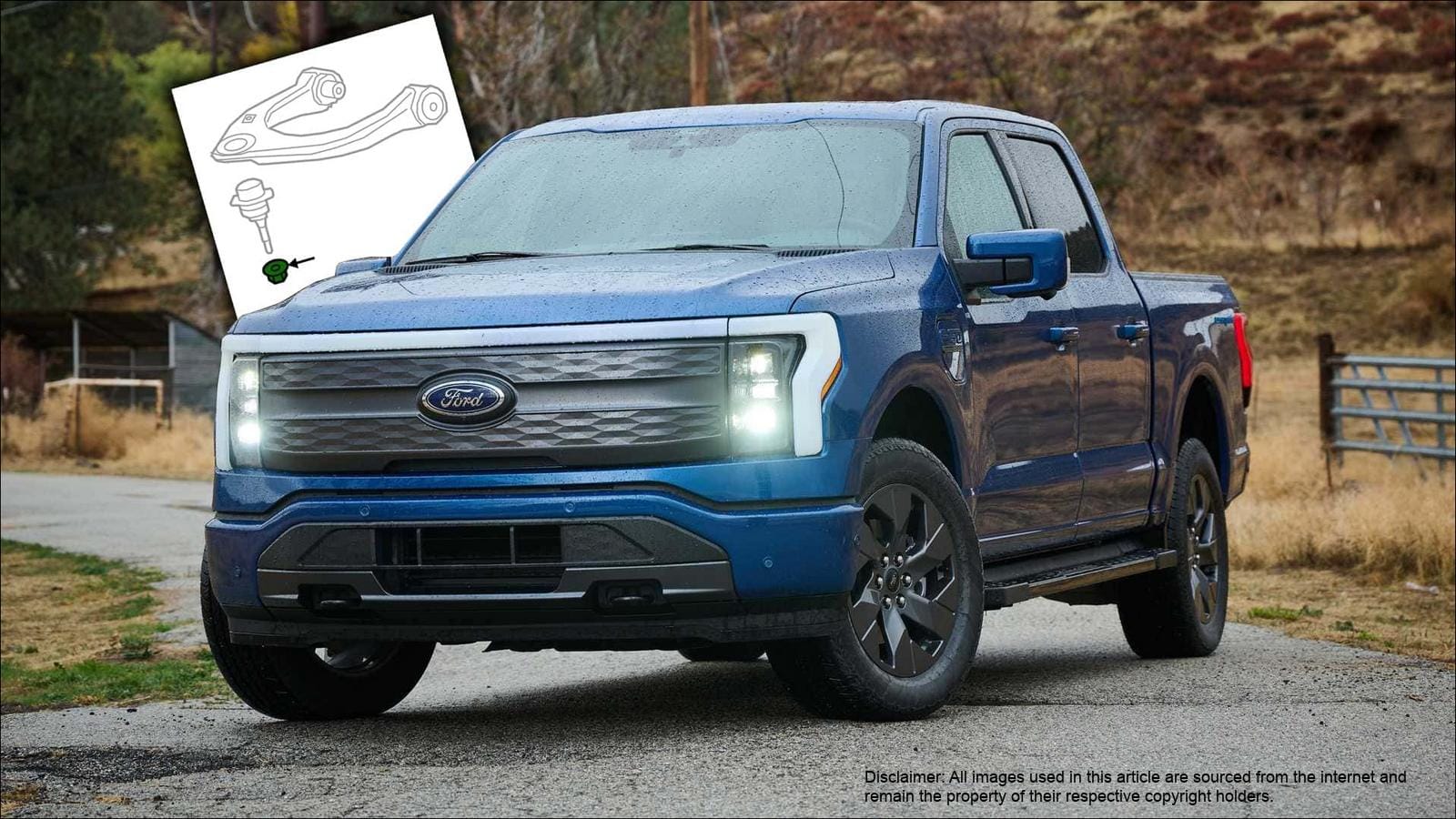
Ford is initiating a recall of nearly 30,000 of its F-150 Lightning electric pickup trucks in the United States due to a potential issue with the suspension system. This recall highlights the importance of rigorous quality control in the burgeoning electric vehicle market. Specifically, the recall focuses on a critical component: the nut on the ball joint that secures the upper control arm to the knuckle. If this nut is not properly torqued, it could lead to significant safety concerns, potentially causing the knuckle to separate from the upper control arm. This separation could severely impact the vehicle’s steering and handling capabilities, increasing the risk of an accident. The Ford F-150 Lightning recall underscores the complexities of automotive manufacturing and the continuous need for vigilance, even in advanced electric vehicles. This situation is a reminder that even minor component failures can have major consequences, necessitating prompt and decisive action from manufacturers.
2. Affected Vehicles and the Suspension Nut Issue
The recall affects a total of 29,501 Ford F-150 Lightning units manufactured between February 15, 2024, and April 14, 2025. According to Ford, the issue stems from a potentially improperly torqued nut on the ball joint that secures the front upper control arm to the knuckle assembly. The majority of the affected vehicles, specifically 20,528 units, are 2024 model year cars, while the remaining 8,973 are 2025 model year vehicles. This widespread issue can manifest in several ways for drivers. If the ball joint nut is loose or missing, drivers might notice unusual sounds such as clunks or rattles when driving over bumps. Additionally, the vehicle could exhibit vibrations during operation. Ford’s investigation revealed that the incorrect torque application during assembly was likely “due to variation in the alignment or orientation between the fastening tool and the fastener that may have induced lateral forces on the tool, preventing it from properly seating on the fastener.” This highlights a potential flaw in the manufacturing process that needed immediate attention. The following table provides a breakdown of the affected vehicles by model year:
| Model Year | Number of Affected Vehicles |
|---|---|
| 2024 | 20,528 |
| 2025 | 8,973 |
| Total | 29,501 |
3. Ford’s Solution and Market Context
Ford is taking proactive steps to address the suspension nut issue. The automaker has already improved the design of the factory tooling on April 14, 2025, ensuring that trucks built after this date are not affected by the recall. For the existing vehicles, Ford and Lincoln dealerships will conduct thorough inspections. Technicians will inspect the torque of the left and right upper control arm ball joint nuts. If the inspection reveals that the torque is within the correct specifications, the technicians will replace the nut as a precautionary measure. However, if the inspection indicates that the torque is not correct or the nut is missing, the technicians will replace both the knuckle and the nut. This comprehensive approach aims to eliminate any potential risks associated with the faulty component. Despite this recall, the Ford F-150 Lightning remains a significant player in the electric vehicle market. It currently holds the title of the best-selling electric pickup in the United States. In the first quarter of this year, Ford sold 7,187 F-150 Lightnings in the U.S., narrowly surpassing the Tesla Cybertruck, which was the best-selling battery-powered truck last year. This demonstrates the F-150 Lightning’s strong market presence and consumer appeal, even amidst the challenges posed by the recall.