Table of Contents
Foxconn’s Model C: A US Electric Vehicle on the Horizon
Foxconn, the Taiwanese tech giant best known for assembling iPhones, is poised to make a significant entry into the US electric vehicle (EV) market. The company plans to launch a U.S.-spec version of its Model C, an all-electric crossover, but with a twist: it won’t be sold under the Foxconn brand. Instead, leveraging the established practice of contract manufacturing, the Model C will be rebadged and sold by another automaker. This strategy mirrors Foxconn’s partnership with Apple, where it handles the manufacturing while another company focuses on marketing and sales.
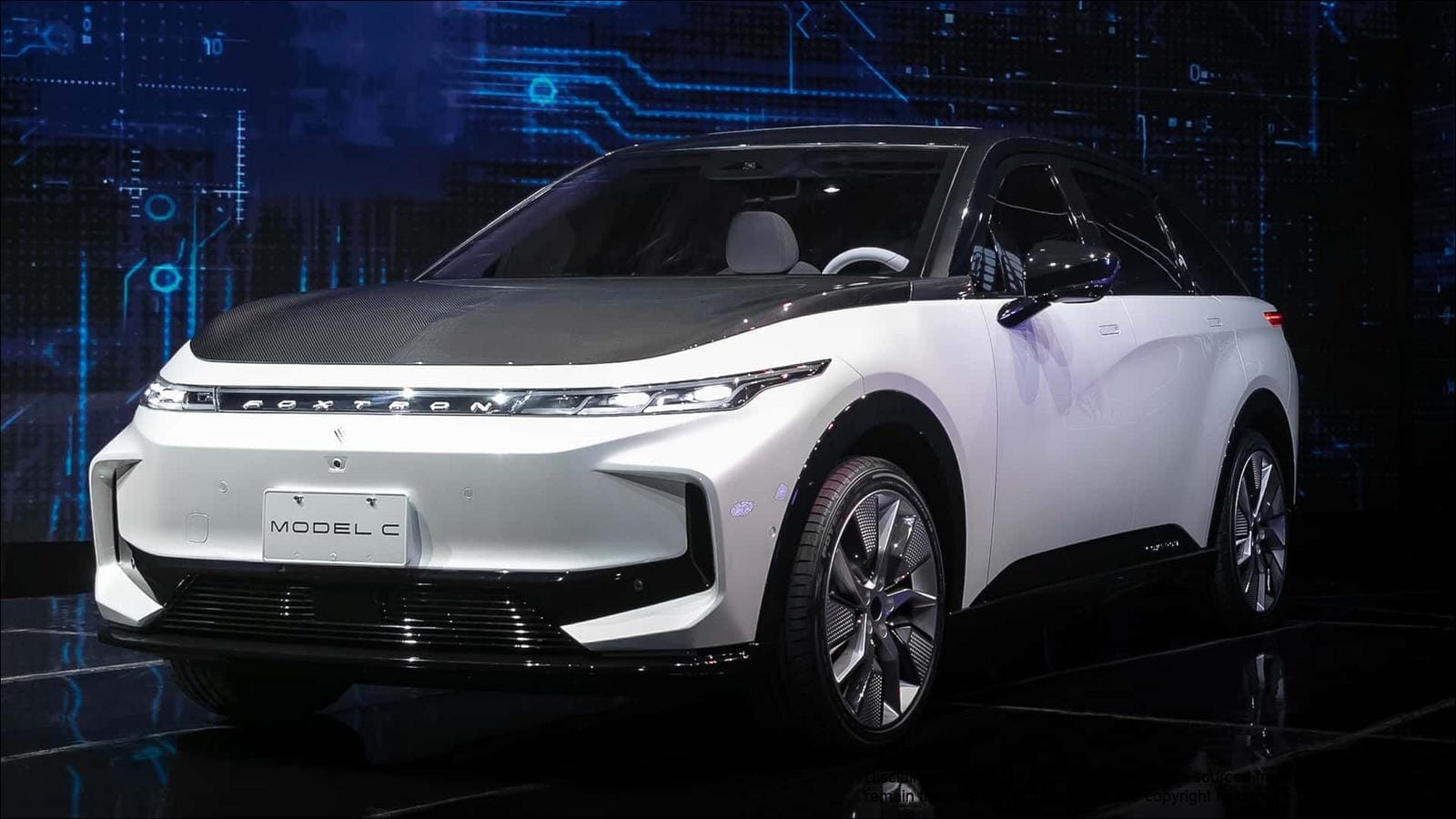
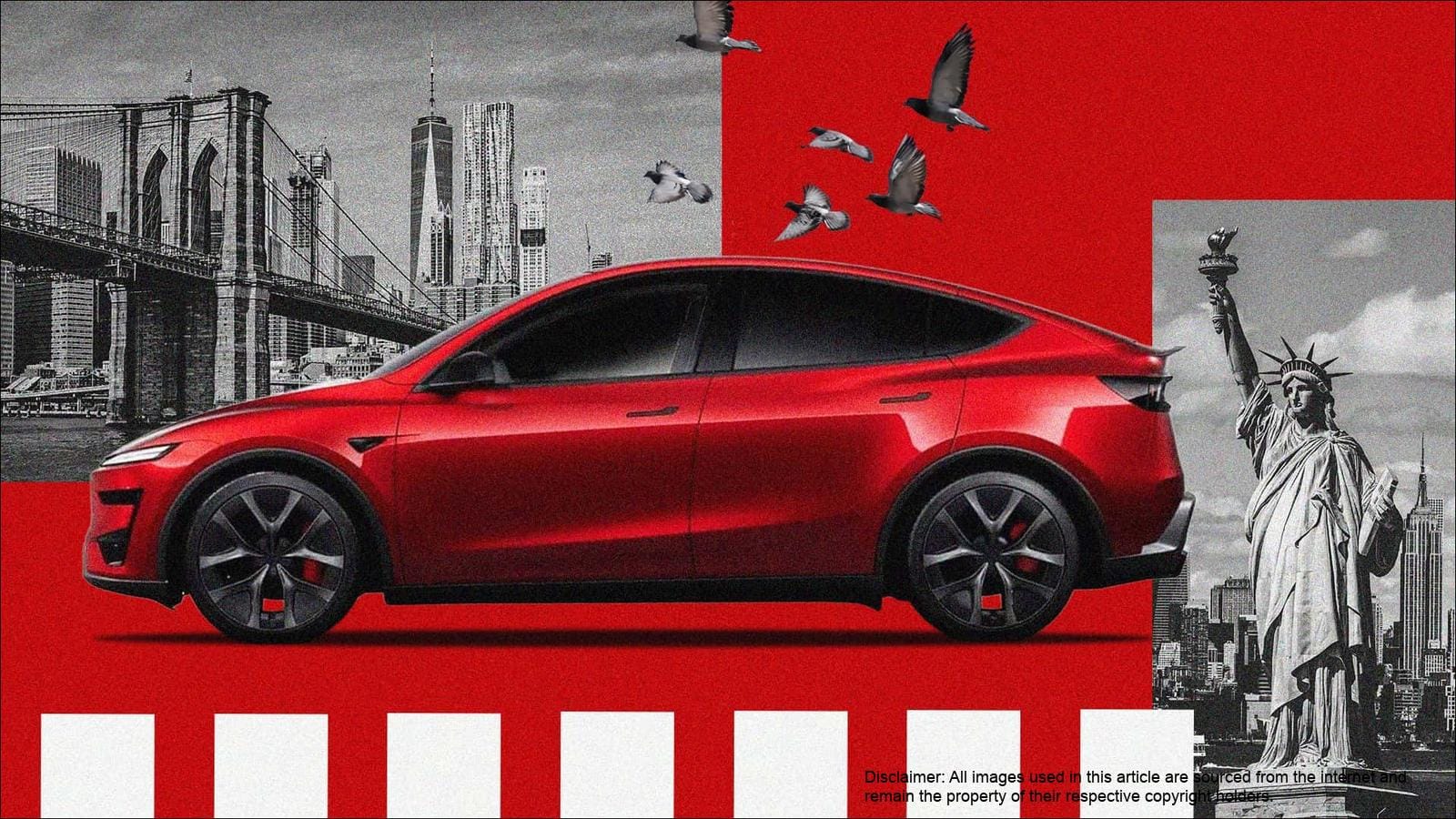
Jun Seki, who heads Foxconn’s EV division and is a former Nissan executive, revealed this plan at the Taipei Mobility Mega Show. While he remained tight-lipped about the specific U.S. client, the Model C on display offered a glimpse of what’s to come. Key features include a distinctive wavy side crease, unique hood air vent, wraparound headlamps, a panoramic sunroof, and a large vertical infotainment screen. The vehicle promises an appealing design and a modern tech-focused interior.

Contract Manufacturing and the Lordstown Ohio Plant
The strategy of contract manufacturing allows companies like Foxconn to specialize in production efficiency while partnering with established brands for distribution and marketing. This approach minimizes the need for Foxconn to build its own brand recognition in the automotive market, allowing them to focus on what they do best: manufacturing high-quality products at scale. A notable example of this model is the Fisker Ocean, which is produced by Magna Steyr, highlighting the viability and benefits of contract manufacturing in the automotive industry.
Production of the U.S.-spec Model C is slated to occur at the former Lordstown Motors factory in Ohio. This plant has a storied history, having previously been owned by General Motors, where it produced models like the Chevy Cavalier and Cobalt. After GM, the plant was acquired by Lordstown Motors, which ultimately sold it to Foxconn in 2022. Establishing production in the U.S. mitigates potential issues related to geopolitical tensions and tariffs, ensuring a more stable supply chain for the American market. The Lordstown plant is projected to have an annual production capacity of nearly half a million vehicles, including all-electric farm tractors, surpassing the output of major automotive plants like BMW’s Spartanburg facility.
Foxconn’s EV Strategy and Potential Partnerships
Foxconn’s foray into the EV market is a logical extension of its existing capabilities. The company already manufactures a significant portion of the components needed for EVs, including batteries, electronics, and motors. This extensive supply chain infrastructure gives Foxconn a competitive advantage, allowing it to move from design to production more quickly than many traditional automakers. The Model C is already sold in Taiwan as the Luxgen n7, demonstrating Foxconn’s ability to bring a finished EV to market.
The identity of the U.S. brand that will sell the rebadged Model C remains a mystery. There has been speculation about potential partnerships with major automakers like Nissan, Honda, and Mitsubishi, particularly for next-generation software-defined EVs. While Foxconn has partnered with Mitsubishi to sell its Model B in Australia, no formal announcements have been made regarding a U.S. partnership. As EV production becomes increasingly complex and expensive, more automakers may turn to contract manufacturing to streamline their operations and reduce costs. Foxconn’s established infrastructure and high production capacity make it an attractive partner for OEMs looking to expand their EV offerings.