Table of Contents
The Rise of EREVs: A New Era for Commercial Vehicles
Extended-range electric vehicles (EREVs) are rapidly gaining traction as a compelling solution in the automotive industry, particularly for larger vehicle segments. The core concept behind EREVs is to combine the benefits of electric propulsion with the security of a gasoline engine, which acts as a generator to extend the vehicle’s range. This approach addresses a critical concern for many potential EV adopters: range anxiety. The debut of vehicles like the Ram 1500 Ramcharger has highlighted the potential of EREVs, showcasing their ability to provide long-distance travel capabilities without the limitations of pure electric vehicles.
EREVs are not entirely new, but recent advancements in battery technology and powertrain design have made them more practical and appealing. By using a smaller gasoline engine solely to generate electricity, EREVs can achieve significantly lower emissions compared to traditional gasoline-powered vehicles. This makes them an attractive option for businesses and individuals looking to reduce their environmental footprint while maintaining operational flexibility.
Harbinger’s Innovative EREV Chassis: Power and Versatility Combined
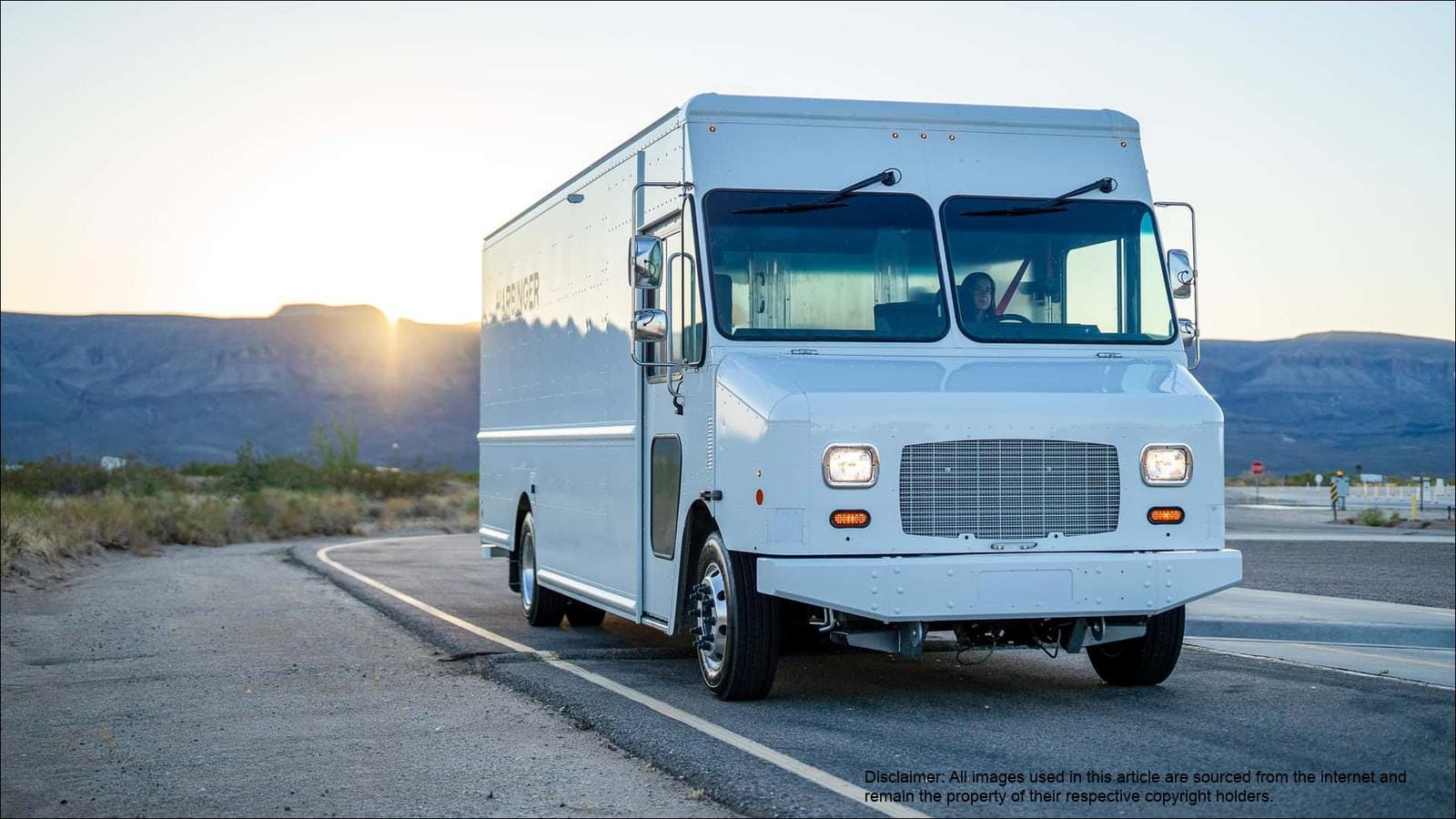
Harbinger, a California-based startup, is making waves in the commercial vehicle sector with its newly unveiled EREV chassis for medium-duty trucks. This chassis is designed to accommodate a wide array of cab and body types, opening up a multitude of possibilities for both personal and commercial applications. The flexibility of the Harbinger chassis allows it to be adapted for various uses, from delivery trucks to recreational vehicles. The startup emphasizes that its platform is the first of its kind, offering an estimated driving range of 500 miles when combining its fuel tank and battery capacity.
The Harbinger EREV chassis is particularly notable for its potential to transform the medium-duty truck market. By providing a versatile and efficient platform, Harbinger aims to accelerate the adoption of electric vehicles in a segment that has traditionally been dominated by diesel engines. This innovative approach not only reduces emissions but also offers businesses a cost-effective solution for their transportation needs.
Technical Deep Dive: Harbinger’s EREV System
At the heart of Harbinger’s EREV chassis lies a sophisticated powertrain system. A 1.4-liter four-cylinder gasoline engine, fueled by a 50-gallon tank, acts as a generator to charge either a 140- or 175-kilowatt-hour battery pack, depending on the configuration. These batteries, sourced from Panasonic in Japan, are arranged in an 800V battery configuration, allowing for rapid charging—up to 80% in just one hour. This 800V battery architecture is a key enabler of the system’s efficiency and performance.
The battery powers a rear-mounted motor that delivers an impressive 1,140 pound-feet of torque and 440 horsepower. The chassis is assembled in the United States and comes fully equipped with the drivetrain, range-extender engine, high-voltage battery, steering, and brakes. This comprehensive approach simplifies the integration process for third-party outfitters, who can then easily attach the desired body type, whether it’s a pickup, box truck, or another custom design. Harbinger’s commitment to delivering a complete and ready-to-use chassis underscores its dedication to streamlining the electrification of commercial vehicles.
| Component | Specification |
|---|---|
| Engine | 1.4-liter Four-Cylinder Gasoline |
| Fuel Tank Capacity | 50 Gallons |
| Battery Pack | 140 kWh or 175 kWh |
| Battery Voltage | 800V |
| Motor Torque | 1,140 lb-ft |
| Motor Horsepower | 440 hp |