Table of Contents
Streamlining EV Charging: Hyundai’s New Approach
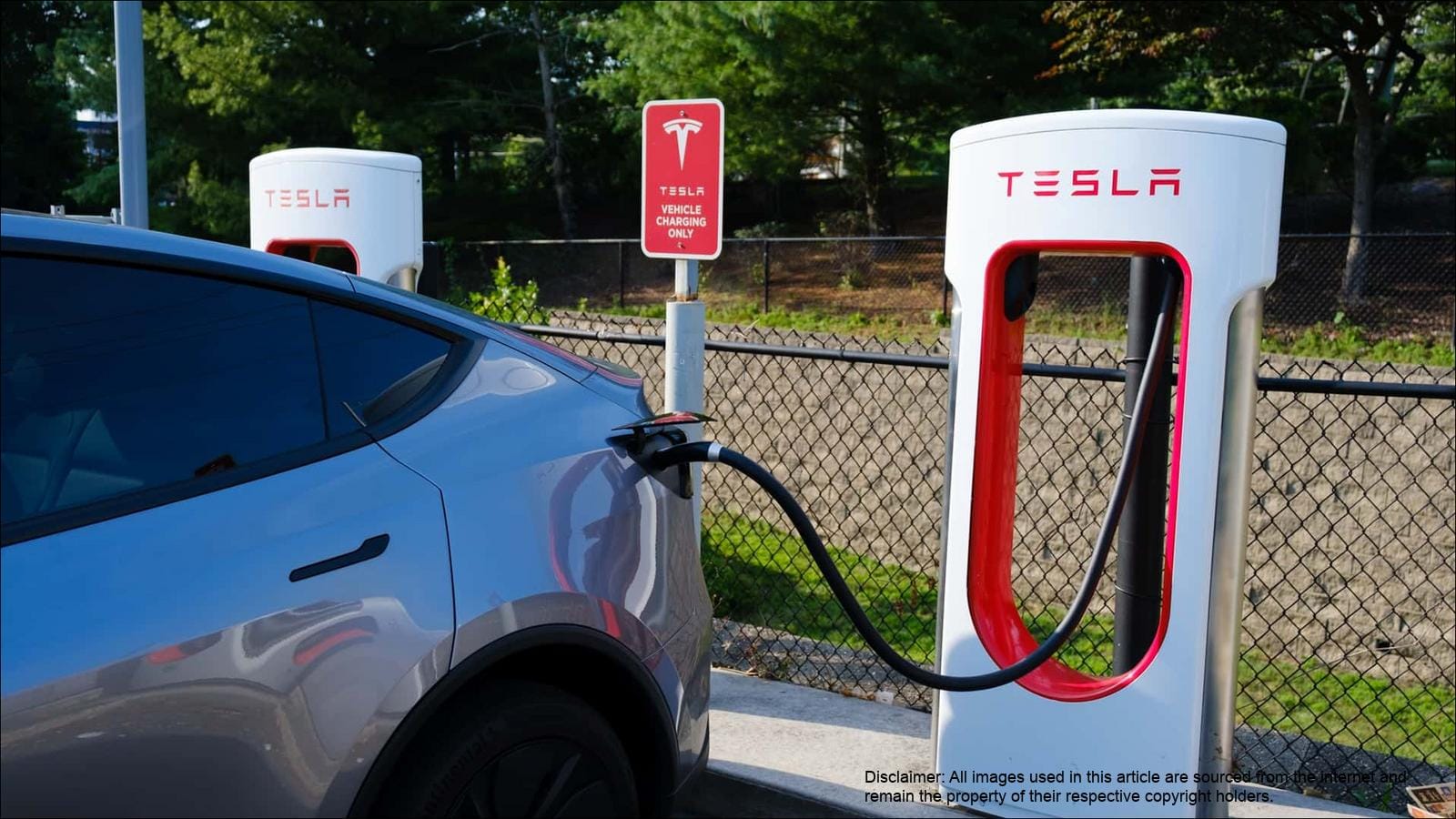
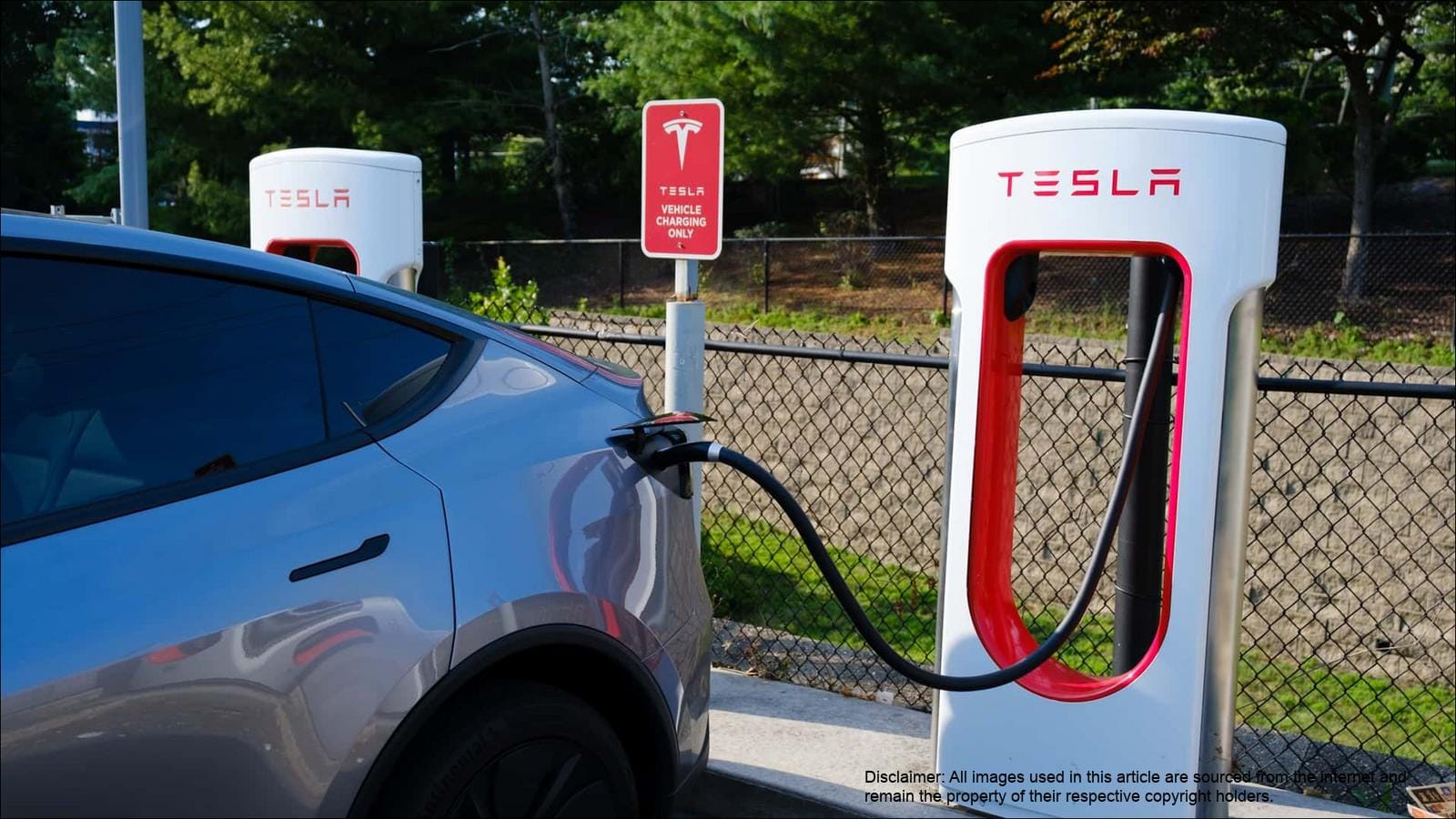
Hyundai is taking significant steps to simplify the electric vehicle charging experience, aiming to match the ease and convenience that Tesla has long offered. The current EV charging landscape is often plagued by cumbersome apps, unreliable payment systems, and frustrating card reader issues. To address these pain points, Hyundai is rolling out software upgrades for its Ioniq 5, Ioniq 9, and all future electric models. These updates promise to make charging as straightforward as refueling a gasoline car, a welcome change for EV owners.
The core of this initiative involves tighter integration with major U.S. charging networks, including Tesla Superchargers, ChargePoint, EVGo, and Ionna. By consolidating access to these networks within the MyHyundai app, Hyundai aims to eliminate the need for multiple charging apps. This streamlined approach not only simplifies the charging process but also enhances the overall user experience, making EV ownership more appealing.
| Charging Network | Integration Method | Benefits |
|---|---|---|
| Tesla Superchargers | NACS Port (2025 models), NACS-to-CCS adapter (older models) | Access to extensive Supercharger network |
| ChargePoint | MyHyundai App Integration | Simplified session initiation and monitoring |
| EVGo | MyHyundai App Integration | Centralized charging management |
| Ionna | MyHyundai App Integration | Seamless charging experience |

App Integration and Plug-and-Charge: A Closer Look
The updated MyHyundai app, integrated with the Bluelink-connected car service, allows users to locate charging stations, navigate to them, initiate charging sessions, and monitor progress—all from a single interface. This eliminates the need to juggle multiple apps, a common frustration for EV owners. Furthermore, the app supports route planning, recommending optimal charging stops along the way and seamlessly sending these routes to the car’s navigation system. The ability to add and manage credit cards within the app ensures smooth and hassle-free payments.
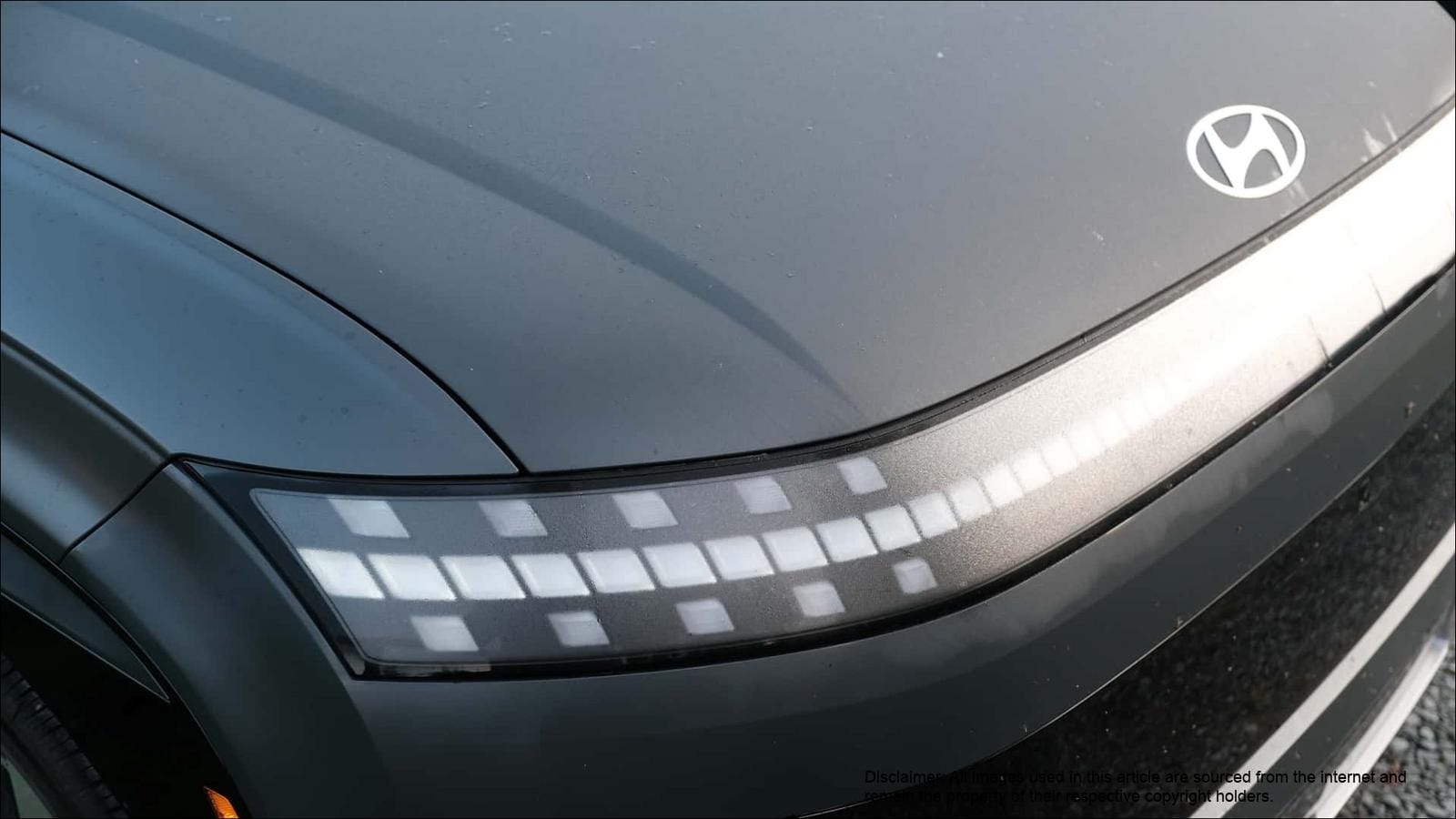
Hyundai is also introducing plug-and-charge functionality, a feature popularized by Tesla. With plug-and-charge, drivers can simply plug their vehicle into a compatible charging station, and the car handles the rest. This eliminates the need for manual authentication or payment initiation, significantly reducing the steps involved in charging. This feature is currently available at Tesla Superchargers, ChargePoint, and Ionna stations, with plans to expand to other networks in the future. The 2025 Ioniq 5 and Ioniq 9 will come equipped with the NACS port, while older models can utilize a NACS-to-CCS adapter for Supercharger access. The Hyundai EVs and Ioniq 5 are set to redefine convenience in EV charging.
| Feature | Description | Benefits |
|---|---|---|
| MyHyundai App Integration | Centralized access to multiple charging networks | Simplifies charging process, reduces app clutter |
| Plug-and-Charge | Automatic charging initiation upon plugging in | Eliminates manual steps, enhances convenience |
| Route Planning | Recommends optimal charging stops along route | Reduces range anxiety, optimizes travel time |

Future Updates and Compatibility: What’s Next?
Currently, these upgrades are primarily focused on the Ioniq range, with the Kona Electric not yet included. However, Hyundai has indicated that more electric models will receive these updates in the future. It’s important to note that plug-and-charge functionality is presently limited to Tesla Superchargers, ChargePoint, and Ionna stations, with EVgo and other networks expected to be added over time. The MyHyundai app features a user-friendly interface, with a prominent “Find Charging Station” icon on the home screen. This allows users to easily locate nearby charging stations or plan routes with integrated charging stops. The app also offers filters for charger type (slow or fast) and connector type (NACS or CCS), providing a customized charging experience.
While Hyundai EVs already offer native route planning, this enhanced app integration aims to create a more seamless charging experience. The success of these updates will depend on their reliability and performance in real-world conditions. By proactively addressing the challenges of EV charging, Hyundai is positioning itself as a leader in the electric vehicle market, committed to making EV ownership more convenient and accessible. The Ioniq 9 and future Hyundai EVs are expected to further enhance this experience.
| Aspect | Details |
|---|---|
| Current Model Compatibility | Ioniq 5, Ioniq 9, future electric models |
| Future Model Compatibility | More electric models to be added |
| Plug-and-Charge Availability | Tesla Superchargers, ChargePoint, Ionna |
| Connector Type | NACS (2025 models), NACS-to-CCS adapter (older models) |