The Double-Edged Sword: Stellar Mechanics vs. Software Stumbles
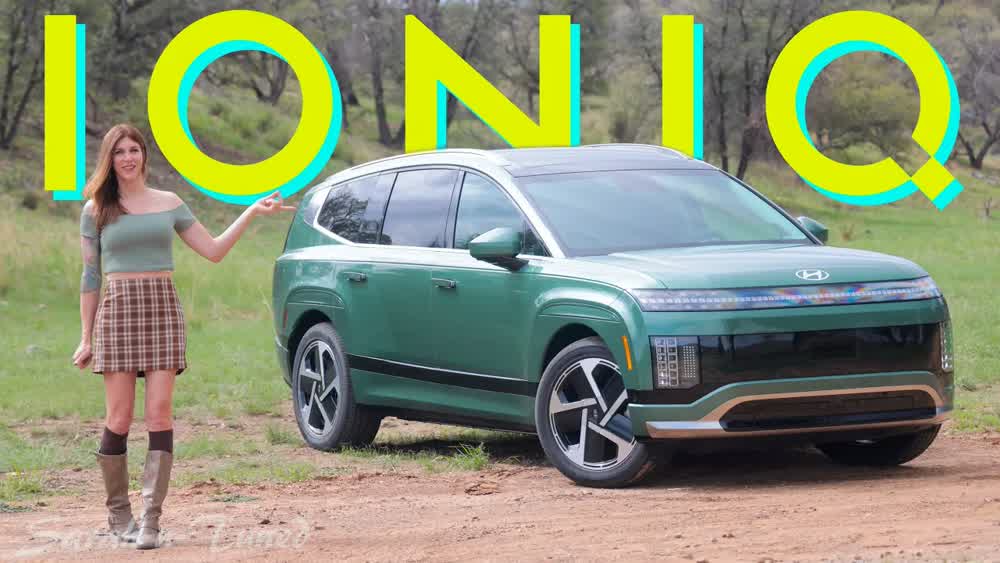
Despite the Ioniq 5’s commendable reliability—even with Vargas opting to skip a Hyundai-recommended 40,000-mile battery coolant flush—the ownership experience isn’t without its frustrations. Many of these, as Vargas points out, revolve around Hyundai’s software and customer communication.
Vargas joins a chorus of users expressing dissatisfaction with Hyundai’s software suite. The smartphone app is often described as problematic and buggy. The infotainment system itself is considered merely average, and the native mapping system falls short of expectations. A significant drawback for Vargas’s 2022 model is its inability to receive major over-the-air (OTA) updates. This means the car’s software features and functionalities don’t improve over time in the same way many modern EVs do. While it previously received map updates, these often failed to include new charging stations, a critical oversight. This is particularly annoying because the Ioniq 5 requires a fast charger to be set as a destination in its native navigation to enable battery preconditioning for optimal charging speeds.
Another area of concern highlighted by Vargas is the clarity and consistency of communication from Hyundai. While his vehicle didn’t suffer from the notorious Integrated Charging Control Unit (ICCU) issue that affected some Ioniq 5s, he observed that Hyundai’s handling of customer communication during that period was less than stellar. Compounding this are reports of unreliable dealer experiences. Vargas mentions instances where some dealerships seemed unfamiliar with basic EV maintenance, like changing the Ioniq 5’s coolant, while others quoted exorbitant prices for such services. This variability in dealer service quality can be a significant pain point for owners, especially when compared to the more standardized, direct-to-consumer service models of rivals like Tesla and Rivian.
In essence, owning a Hyundai Ioniq 5 offers a glimpse into the journey of an established automaker navigating the transition to software-defined electric vehicles. Hyundai has clearly mastered the art of building competitive, high-performing EVs. However, the software integration and customer support ecosystem are still areas ripe for improvement. The hope remains that Hyundai will bridge this gap, as their electric vehicles are, in most other respects, truly outstanding.
Nevertheless, the sheer quality and reliability of the Ioniq 5 itself often make these software and service issues feel like manageable trade-offs. For many, including myself, it remains a top recommendation in the EV market and a vehicle certainly worth a test drive for anyone considering the switch to electric.