Table of Contents
Hyundai and Kia’s Uphill Battle: Navigating Tariffs and ICE Raids
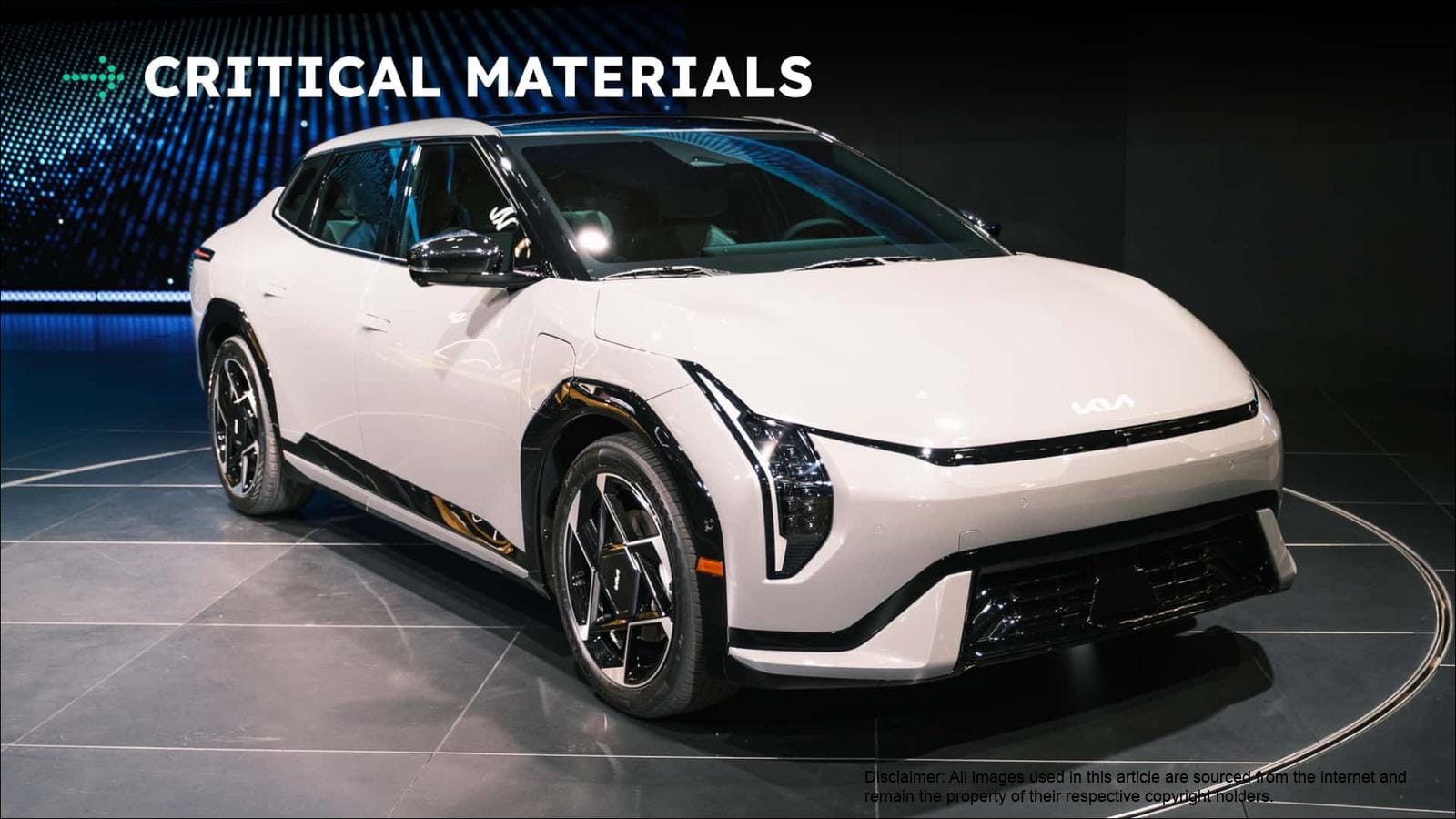
Hyundai and Kia, South Korean automotive giants, are facing a confluence of challenges in the U.S. market, primarily stemming from trade policies and immigration enforcement. These issues are creating significant headwinds for the Hyundai Motor Group, impacting their investments and expansion plans. The situation underscores the intricate relationship between international trade, domestic policy, and business strategy.
The challenges can be broadly categorized into two main areas: **tariffs** and **ICE raids**. Let’s delve into each of these to understand the depth of the problems.
The Tariff Tightrope
The U.S. has imposed a 25% duty on Korean vehicles, a substantial barrier that Hyundai and Kia are actively trying to mitigate. Korean government officials are in negotiations to reduce this tariff, but progress has reportedly stalled. This situation puts Hyundai and Kia at a disadvantage compared to their Japanese counterparts, who are set to benefit from a lower 15% tariff as part of a Washington-Tokyo deal. The delay in resolving the tariff issue leaves Hyundai and Kia uniquely vulnerable, impacting their price competitiveness in the crucial U.S. market. According to _The Korea Times_, this prolonged exposure to U.S. auto tariffs could significantly hurt their ability to compete effectively.
ICE Raids and Labor Concerns
Adding to the tariff woes, Hyundai’s Metaplant in Georgia, a significant investment aimed at bringing electric vehicle (EV), hybrid, and battery production to the U.S., was the site of a major ICE raid. This event has heightened tensions with South Korea and may lead to revisions in visa policies for skilled workers needed to operate high-tech factories. The immediate impact is a potential delay in battery production at the Metaplant, disrupting Hyundai’s plans for EV production in the U.S. This labor issue compounds the financial strain caused by the tariffs, creating a double whammy for the automaker.
| Challenge | Impact | Potential Solution |
|---|---|---|
| 25% Tariff on Korean Vehicles | Reduced price competitiveness; decreased profitability. | Negotiate tariff reduction; increase U.S. production. |
| ICE Raids at Metaplant | Labor shortages; battery production delays; strained U.S.-Korea relations. | Revise visa policies; enhance labor training programs. |
Elon Musk’s Billion-Dollar Bet on Tesla: A Show of Confidence?
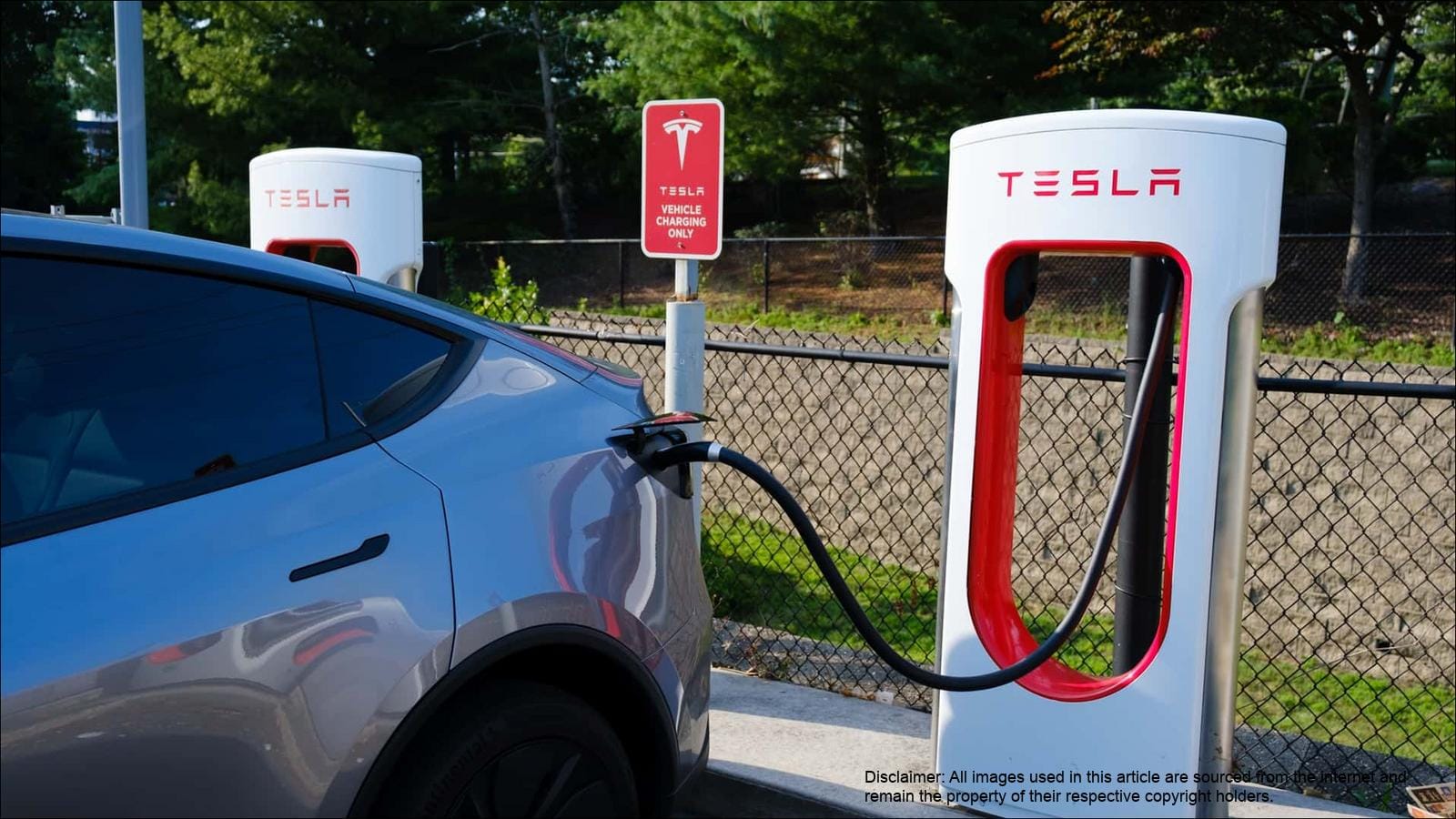
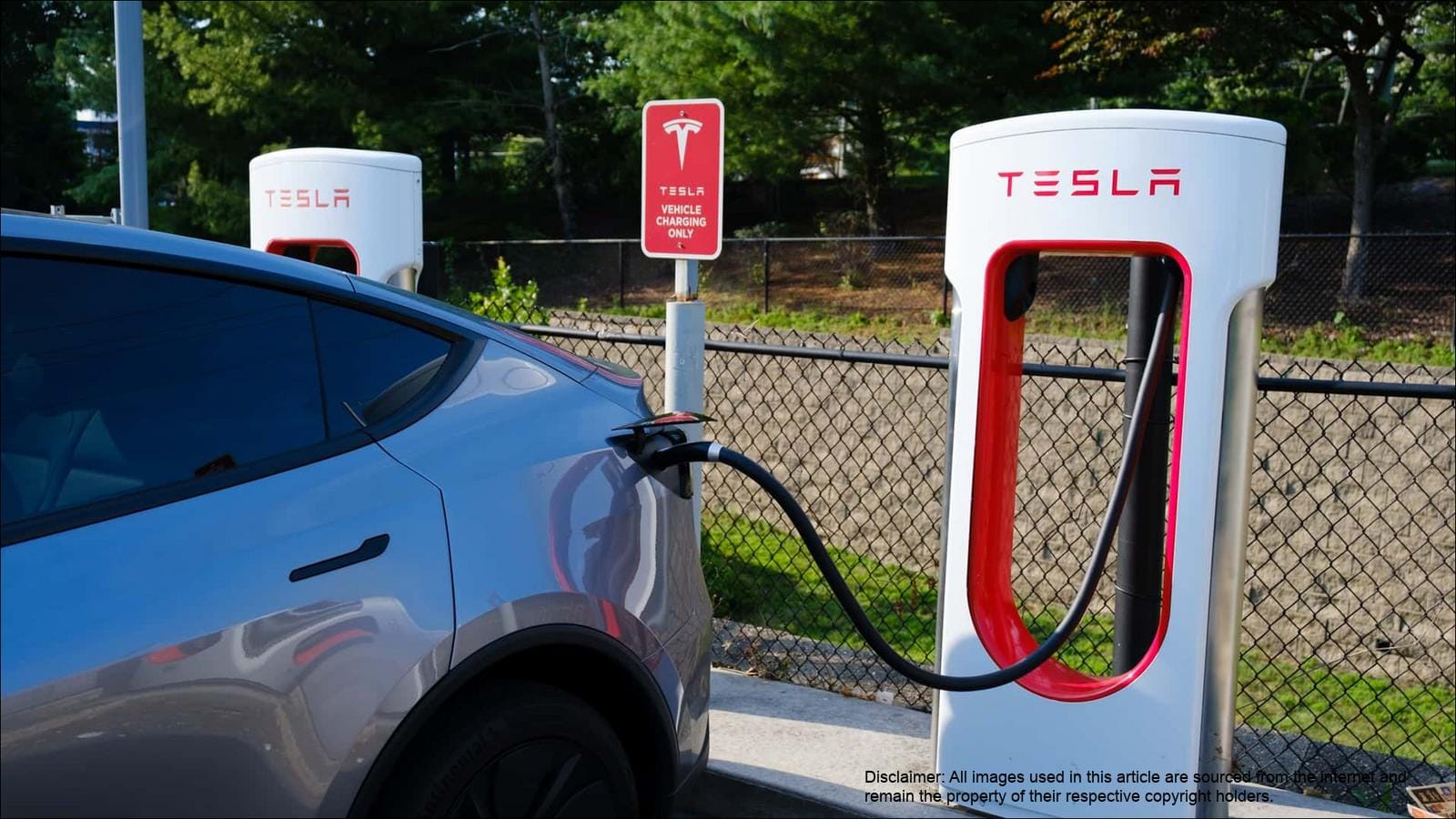
Elon Musk, the CEO of Tesla, recently purchased approximately $1 billion worth of Tesla shares. This move has sparked considerable interest and speculation, particularly in light of Tesla’s ambitious goals and Musk’s own history of stock transactions. The purchase can be interpreted as a strong signal of confidence in Tesla’s future prospects, especially after a challenging period for the company.
A Trillion-Dollar Incentive
Tesla’s board has set an ambitious goal for Musk, potentially making him a “trillion-dollar man” if he can successfully deploy millions of autonomous cars and humanoid robots. This unprecedented pay package is tied to equally unprecedented goals, reflecting the company’s high expectations for its future. Musk’s recent stock purchase could be seen as a reaffirmation of his commitment to achieving these goals and driving Tesla’s growth.
Reaffirming Commitment Amidst Challenges
According to _Bloomberg_, Musk’s last open market purchase of Tesla stock was in February 2020. In 2022, he offloaded over $20 billion of the company’s shares during his acquisition of Twitter. This recent $1 billion investment marks a significant return to buying Tesla stock, suggesting a renewed focus on the electric vehicle company. The purchase comes after a challenging first half of the year for Tesla, with vehicle sales slumping by 13% worldwide. Musk himself has cautioned about potentially “rough quarters” ahead as U.S. electric-car purchase incentives phase out. Despite these challenges, his investment indicates a belief in Tesla’s long-term vision, particularly its pursuit of robotaxis and humanoid robots.
| Event | Date | Impact on Tesla Stock |
|---|---|---|
| Musk’s Last Stock Purchase Before Recent Buy | February 2020 | Positive |
| Musk Sells Tesla Stock for Twitter Acquisition | 2022 | Mixed |
| Musk Buys $1 Billion in Tesla Stock | September 2025 | Positive |
Volkswagen’s Electric Golf: A Delayed Debut?
Volkswagen (VW) is facing potential delays in the launch of its highly anticipated electric Golf, known as the ID. Golf. This delay is attributed to budget constraints and the complexities of retooling VW’s Wolfsburg factory for next-generation electric vehicles. The electric Golf is a crucial model for VW, and any setbacks could have significant implications for the company’s electric vehicle strategy.
Production Hurdles and Budget Constraints
According to _Automotive News_, the plan to transform VW’s Wolfsburg factory for electric vehicle production has been hampered by budget limitations. This has led to an estimated nine-month delay in the launch of the electric Golf. The decision to postpone the launch underscores the challenges VW faces in balancing its ambitious EV plans with financial realities.
Strategic Importance of the ID. Golf
The ID. Golf is not just another electric vehicle for VW; it represents a critical step in the company’s transition to electric mobility. As a successor to the iconic Golf, the electric version carries significant brand equity and customer expectations. VW needs to ensure that the ID. Golf is a success, and that means addressing any production issues and delays to deliver a high-quality product that meets market demands. The delay suggests that VW is prioritizing quality and strategic alignment over speed to market.