Table of Contents
Hyundai’s Bold Move: In-House Battery Development
Hyundai Motor Group is reportedly making a significant push into electric vehicle (EV) technology by developing and manufacturing its own battery cells. This strategic shift comes amid increasing competition and a desire to control a critical component in the EV supply chain. According to reports from South Korea, Hyundai has assembled a dedicated team, known as the “B Task Force,” comprising top executives and engineering experts, including Jung Jun-cheul, head of manufacturing, and Choi Jae-hoon, head of battery development, to spearhead this initiative. This move signals a deeper commitment to securing its position in the rapidly evolving EV market. The decision reflects a broader trend among automakers to internalize key technologies, ensuring greater control over performance, cost, and supply.

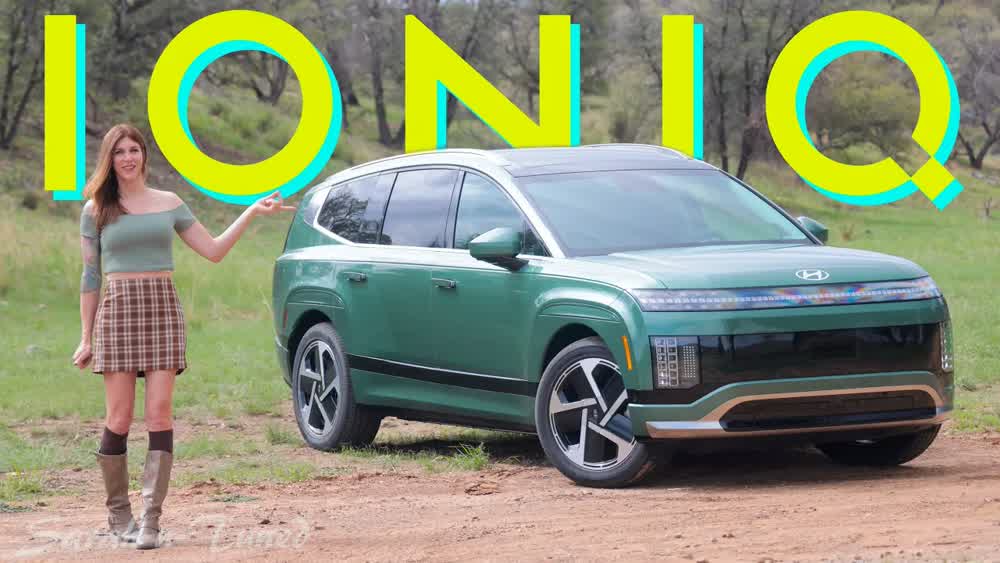
Photo by: Hyundai – 2025 Hyundai Ioniq 5 XRT, Limited
While Hyundai already has an in-house battery team, its primary role has been to act as a liaison between the company and its battery suppliers, such as LG Energy Solution and SK On. This team facilitates the integration of these suppliers’ batteries into Hyundai, Kia, and Genesis models. The creation of the “B Task Force” suggests a more ambitious goal: to develop and manufacture Hyundai’s own battery cells, reducing reliance on external suppliers and potentially unlocking new levels of innovation and customization. This shift highlights the growing importance of battery technology as a core competency for automakers.

The Competitive Landscape and Strategic Advantages
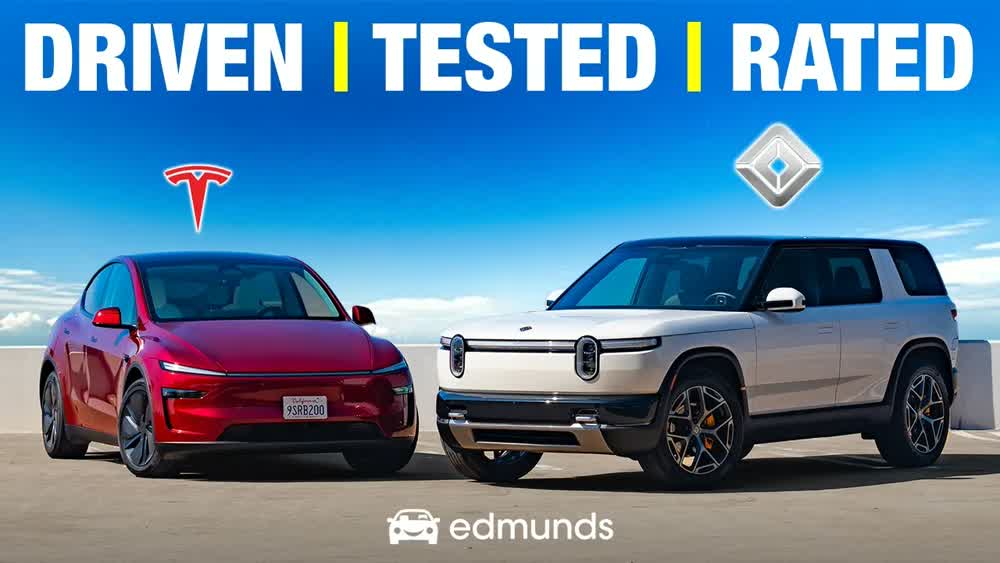
Hyundai is not alone in its pursuit of in-house battery development. Several other major automakers have already embarked on similar paths, recognizing the strategic advantages of controlling this critical technology. Tesla, for example, manufactures its own 4680 cells, which are used in models like the Cybertruck and Model Y, although Panasonic remains a key supplier. BYD, a Chinese EV giant, started as a battery company in 1995 and has always produced its own “Blade” batteries for its EVs and PHEVs. Toyota has also invested heavily in in-house battery production, including a $14 billion battery plant in North Carolina, which will supply batteries for its hybrid, PHEV, and EV models. These examples illustrate a growing trend within the automotive industry.
| Automaker | Battery Development Strategy | Key Benefits |
|---|---|---|
| Hyundai | Establishing “B Task Force” for in-house cell development. | Greater control over battery design, potential cost reduction, and supply chain security. |
| Tesla | Manufactures 4680 cells, supplements with Panasonic supply. | Customized battery solutions, reduced reliance on external suppliers. |
| BYD | Vertically integrated, produces “Blade” batteries in-house. | Complete control over battery production, cost efficiency, and innovation. |
| Toyota | Investing in large-scale battery production, including a $14 billion plant in North Carolina. | Securing battery supply for hybrid, PHEV, and EV models, regional production advantages. |
In-house battery development offers several key advantages. It allows automakers to tailor batteries to their specific vehicle architectures and software, optimizing performance and efficiency. Furthermore, it can lead to significant cost savings by eliminating supplier fees and providing greater control over raw materials and logistics. Internalizing battery production can also accelerate research and development, enabling faster innovation and reducing exposure to supply chain disruptions. However, it’s crucial to acknowledge the challenges. Developing and manufacturing batteries requires substantial upfront investment and deep technical expertise, which companies like LG Energy Solution have cultivated over decades.
BYD’s Charging Innovation and Hyundai’s Response
The impetus for Hyundai’s move towards in-house battery development appears to be partly driven by advancements in battery technology from competitors like BYD. In March, BYD showcased its Super e-Platform in China, a groundbreaking technology that supports ultra-fast charging capabilities. This platform operates at 1,000 volts and 1,000 amps, enabling charging at a remarkable 1,000 kilowatts. The result is incredibly rapid charging times; for example, the Han L and Tang L EVs can achieve a full charge in just 5 minutes using this platform. This level of performance represents a significant leap forward in EV charging technology and likely spurred Hyundai to accelerate its own battery development efforts to remain competitive.
| Feature | BYD Super e-Platform | Impact |
|---|---|---|
| Voltage | 1,000 Volts | Enables faster charging speeds and higher power transfer. |
| Current | 1,000 Amps | Supports high-power charging, reducing charging times. |
| Charging Power | 1,000 Kilowatts | Significantly reduces charging duration, enhancing user convenience. |
| Charging Time (Han L & Tang L) | 5 Minutes | Sets a new benchmark for EV charging speed. |
Hyundai’s decision to invest in in-house battery development reflects a broader trend among automakers to secure their position in the rapidly evolving EV market. By controlling battery technology, Hyundai aims to optimize vehicle performance, reduce costs, and ensure a stable supply chain. The competition in the EV market is intensifying, and companies that can innovate and control key technologies like battery production will be best positioned for long-term success. The race for better, faster, and more efficient EV batteries is officially on, and Hyundai is determined to be a leading contender.