evcubnb level 2 ev charger
$0.00 0

Cart

No products in the cart.

ICE Raid Delays Hyundai Battery Plant 3 Months


Hyundai’s Metaplant Faces Delay After ICE Raid

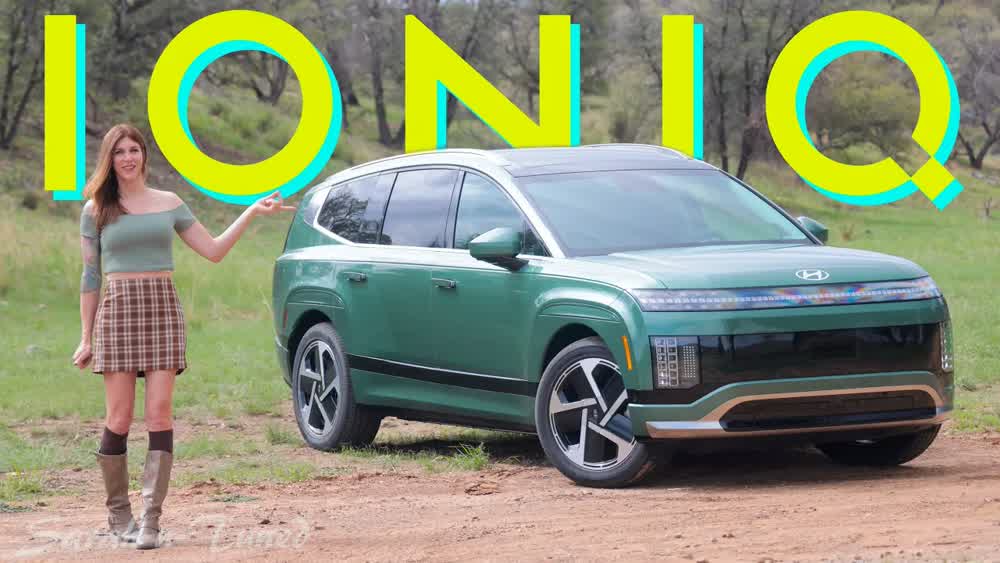
The Hyundai Metaplant, a cornerstone of Georgia’s economic development, is now facing significant delays. This ambitious project, envisioned to generate over 100,000 jobs and produce up to 500,000 vehicles annually, including electric vehicles like the Ioniq 5 and Ioniq 9, has hit a major roadblock. The delay stems from a U.S. Department of Homeland Security ICE raid, which has impacted the plant’s battery production timeline. The Hyundai Metaplant was designed not only for vehicle assembly but also for in-house battery production, intended to serve as a strategic manufacturing base in the U.S.

Hyundai Global CEO José Muñoz has stated that the battery plant’s production will be delayed by at least two to three months. This delay is attributed to the departure of skilled South Korean workers, who were brought in to oversee the setup and supervision of battery production. The ICE raid resulted in the detention of 475 workers, predominantly of Korean nationality, leading to a disruption in the plant’s operational readiness. The situation has also sparked diplomatic concerns between the U.S. and South Korea, one of America’s key allies. The incident raises questions about the facilitation of short-term visas for skilled foreign workers, essential for establishing advanced manufacturing facilities in the U.S.

Impact AreaDescriptionEstimated Delay
Battery ProductionHiring and training new personnel to replace deported skilled workers.2-3 Months
Projected Job CreationSlower ramp-up in hiring due to production delays.Potentially Longer
Overall Metaplant TimelineKnock-on effects may delay the full operational capacity of the plant.To Be Determined


Jeep’s Struggles in the Stellantis Era

Jeep, an iconic automotive brand, is facing significant challenges under Stellantis. Despite its strong brand recognition, Jeep’s sales have declined, and its EV strategy has encountered setbacks. The brand’s struggles can be attributed to several factors, including strategic decisions made by Stellantis’ leadership. A Bloomberg Businessweek report highlights that former Stellantis CEO Carlos Tavares focused on increasing prices and production of high-end Jeep trims without sufficient investment in new products, resulting in inventory issues and reduced net income.

Tavares’ strategy of pooling resources across brands for scale, while emphasizing EVs, has not yielded the desired results for Jeep. Product launches have been problematic, with reports of understaffed factory crews and communication issues hindering both EV and gas vehicle rollouts. For instance, issues with the Ram pickup’s electronics, requiring remote troubleshooting across continents, exemplify the operational challenges faced by Stellantis. The company’s potential shift back to gas-powered vehicles under the Trump administration’s policies may offer temporary relief, but a long-term solution for Jeep’s future remains uncertain. To illustrate Jeep’s struggles, consider the following data:

Metric20232024 (Projected)Change
Sales Volume (Units)800,000650,000-18.75%
Market Share (%)4.5%3.8%-15.56%
EV Sales (%)2%2.5%+25%


The “In China, For China” Strategy

Western automakers are adopting a new strategy to compete in China’s rapidly evolving automotive market. The “In China, For China” approach involves empowering Chinese partners, engineers, and designers to create vehicles tailored to local preferences. As Reuters reports, this strategy aims to leverage local expertise to produce cars that resonate with Chinese consumers. The Audi E5 Sportback, developed in just 18 months using Chinese technology, exemplifies this approach.

This shift reflects the increasing dominance of domestic EV brands in China, which have gained a competitive edge through technological innovation and understanding local market dynamics. By embracing collaboration and localization, Western automakers hope to regain ground and capture a larger share of the Chinese market. This strategy marks a significant departure from traditional approaches, emphasizing the importance of adapting to local tastes and leveraging local resources.

Key ElementDescriptionExample
Localized DesignVehicles designed to meet the aesthetic and functional preferences of Chinese consumers.Audi E5 Sportback
Technological IntegrationIncorporating Chinese technology and software to enhance vehicle features.Advanced driver-assistance systems (ADAS) developed in China
PartnershipsCollaborating with local companies to leverage their expertise and resources.Joint ventures with Chinese automakers


Frequently Asked Questions


What is the expected impact of the ICE raid on the Hyundai battery plant?

The ICE raid is expected to delay the battery plant’s production by a minimum of two to three months. This is due to the deportation of skilled South Korean workers who were essential for setting up and supervising the battery production line. Recruiting and training new personnel will take additional time, further extending the delay.


How is Stellantis addressing the challenges faced by Jeep?

Stellantis is exploring various strategies to revitalize the Jeep brand, including potential shifts in product focus and operational improvements. The company’s renewed emphasis on gas-powered vehicles may offer short-term relief, but long-term success will depend on addressing underlying issues such as product development, supply chain management, and workforce efficiency.


What does the “In China, For China” strategy entail for Western automakers?

The “In China, For China” strategy involves Western automakers collaborating with Chinese partners, engineers, and designers to develop vehicles specifically tailored to the preferences and needs of Chinese consumers. This includes localized design, technological integration, and strategic partnerships with local companies. The goal is to create vehicles that resonate with the Chinese market and enhance competitiveness against domestic EV brands.

    Comments are closed

    Search

    Follow us

    Have any questions?

    • help@evcube.net
    • +1 (510)-878-5951
    level 2 ev charger charging at home,tesla charger for home charging

    Safe

    level 2 ev charger charging at home,tesla charger for home charging

    Speed

    level 2 ev charger charging at home,tesla charger for home charging

    Stylish

    level 2 ev charger charging at home,tesla charger for home charging

    Save

    level 2 ev charger charging at home,tesla charger for home charging

    Smart

    level 2 ev charger charging at home,tesla charger for home charging

    Suitablility

    Tesla Redesigns Doors for Emergency Safety

    Table of Contents 1. Introduction: Tesla's Door Handle Redesign 2. NHTSA Investigation and Safety Concerns 3. Details of the New Door Release Design 4. Global Regulatory Landscape 5. FAQ Introduction:…
    Read more

    Lyft Teams With Waymo to Catch Uber

    Table of Contents 1. Lyft's Pursuit of Autonomous Vehicles 2. The Waymo-Lyft Collaboration: A Game Changer? 3. Uber's Autonomous Driving Initiatives 4. Nashville as the Launchpad for Robotaxis 5. FAQ…
    Read more

    Hyundai’s 600-Mile EREV: 2027 Game Changer

    Table of Contents 1. Hyundai's Electrified Future: The 2027 EREV Launch 2. Understanding Extended Range Electric Vehicles (EREVs) 3. Hyundai's Unique EREV Strategy and Genesis Expansion 4. EREVs in the…
    Read more

    Tesla Redesigns Doors for Emergency Safety

    Table of Contents 1. Introduction: Tesla's Door Dilemma 2. The Proposed Design Change: A Unified Approach 3. NHTSA Investigation and Regulatory Scrutiny 4. Global Impact and Future Solutions 5. FAQ…
    Read more

    BMW: Gas Engines Will Never Die

    Table of Contents 1. BMW's Dual-Track Strategy: EVs and Combustion Engines 2. Market Dynamics Driving BMW’s Decision 3. The Future of BMW Platforms: A Diverse Approach 4. FAQ 1. BMW's…
    Read more

    Tesla FSD vs NYC Chaos: Robotaxi Test

    Table of Contents 1. Introduction: The Tesla Robotaxi Challenge in NYC 2. Navigating NYC with Tesla's Full Self-Driving 3. Tesla's Vision-Based Autonomy vs. the Competition 4. FSD Beyond NYC: Suburban…
    Read more
    evcubnb level 2ev charer,tesla charger,home charger,50a charger,nema 14-50charger

    Any Charging Problem?
    Let Us Know 24/7

    • 13850 CENTRAL AVE, CHINO CA
    • help@evcube.net
    ©2022 EVCUBE - All rights reserved