• 13850 CENTRAL AVE, CHINO CA
  • Help@evcube.net
  • Help@evcube.net

$0.00 0

Cart

No products in the cart.

Kia EV4’s U.S. Price Challenge Due to Tariffs


The Kia EV4’s Promise Meets Production Realities

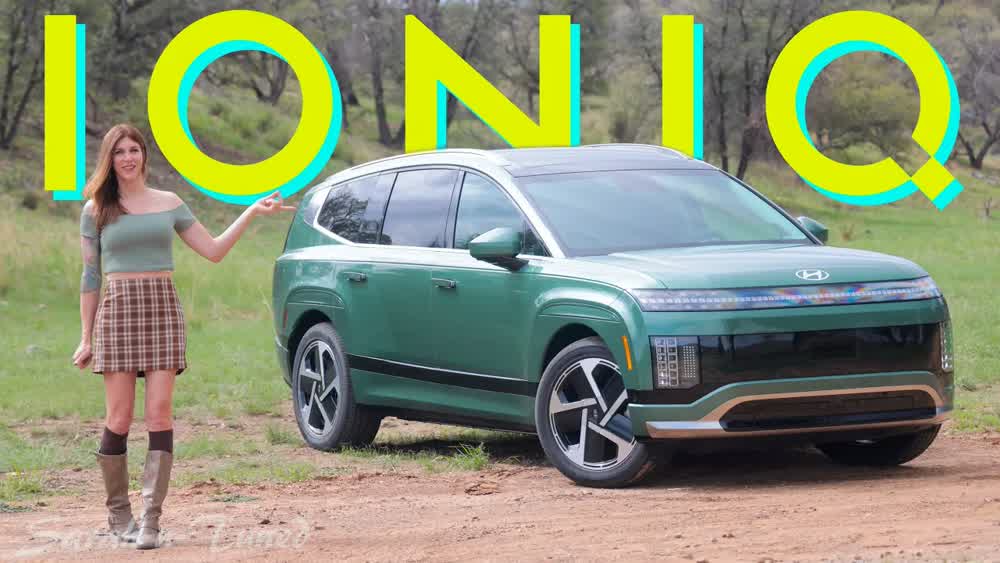
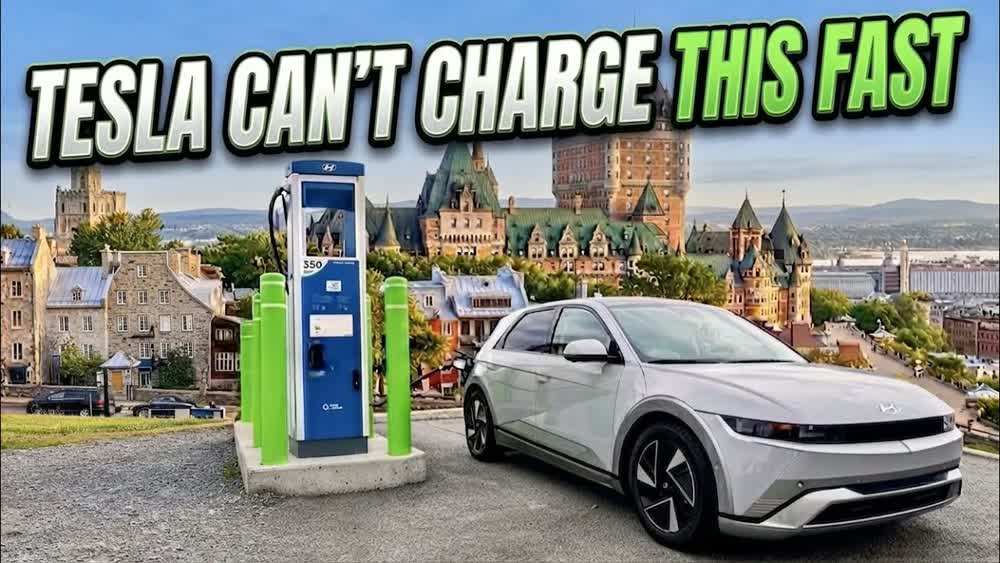
The Kia EV4 has been eagerly anticipated as a potentially groundbreaking affordable EV sedan. Positioned to build on the success of its sibling, the Hyundai Ioniq 6—already a standout in the electric vehicle market—the EV4 was envisioned to captivate buyers with even sharper styling, a more accessible price point, and enhanced technology. However, this vision of affordability faces a significant hurdle: Kia recently confirmed that U.S.-bound EV4 models will be manufactured in South Korea.

According to Kia’s K4 product planner, the EV4 sedan variant, which is the only version currently slated for North America, will be exclusively produced in Korea. The hatchback version, not planned for the U.S. market at this time, will be built in Slovakia. This strategic manufacturing decision, while potentially optimizing Kia’s global production, casts a shadow on the “lower price” aspiration for American consumers.

Vehicle AspectDetails for U.S. MarketImplication
ModelKia EV4 SedanOnly sedan planned for North America
Manufacturing LocationSouth KoreaSubject to U.S. import tariffs
Competitor (Hyundai Ioniq 6)Also built in South KoreaAlso faces tariff challenges

The decision to manufacture the EV4 outside North America means it will be subject to a hefty 25% import tariff, a remnant of trade policies implemented by the previous U.S. administration. This tariff also affects the Ioniq 6, making it more challenging for both Hyundai and Kia to compete on price with U.S.-manufactured rivals like the Tesla Model 3. While Kia possesses a flexible manufacturing footprint in the United States, it appears the company is prioritizing its U.S. facilities for the production of larger, more profitable SUVs. This common industry practice ironically places the financial burden of these tariffs squarely on more budget-friendly vehicles, complicating the dream of an affordable EV sedan.


Navigating Tariffs and Shifting Tax Incentives

The manufacturing origin and associated U.S. tariffs are not the only financial headwinds the Kia EV4 faces. The landscape of federal EV incentives is also fraught with uncertainty. The $7,500 federal tax credit, a significant factor in EV affordability, is currently under threat, with recent Congressional budget proposals aiming to phase it out. Even before these broader discussions, the EV4 was already on track to be ineligible for this purchase credit due to its non-U.S. assembly. Current regulations stipulate that to qualify for the purchase tax credit, final assembly of the vehicle must occur in North America.

A peculiar aspect of the current rules, often dubbed the “leasing loophole,” allows all EVs, regardless of origin, to qualify for the $7,500 incentive if they are leased. The credit, in this scenario, goes to the leasing company, which can then pass the savings on to the consumer through more attractive lease deals. Hyundai, for instance, has leveraged this loophole to offer compelling lease rates on the Ioniq 6. However, this avenue for savings is also precarious, with strong indications that this loophole may be closed within the year. The potential closure would remove a critical tool for making imported EVs like the EV4 more competitive.

Financial FactorCurrent Status for EV4Potential Impact
Import TariffSubject to 25% tariff (South Korean built)Increased import cost
Federal Purchase Tax CreditIneligible (non-North American assembly)Loss of $7,500 incentive for buyers
Federal Lease Tax Credit (“Loophole”)Currently eligiblePotential loss if loophole closes
Overall AffordabilityChallengedSignificantly harder to achieve target price

The cumulative effect of these factors—a 25% import tariff and the potential complete loss of the $7,500 tax incentive—creates a formidable challenge for Kia. The company’s goal to offer the EV4 as an affordable EV while maintaining profitability will become exceedingly difficult. This situation is mirrored by other anticipated affordable models, like the EV3 crossover, which is also slated for the U.S. market but has yet to arrive, further highlighting the complexities of the current EV landscape.


The Road Ahead: Pricing Dilemmas and Consumer Choices

The uncertainty surrounding the final cost of the Kia EV4 is palpable. Kia faces a difficult balancing act: absorb the increased costs from tariffs and lost incentives, thereby reducing profit margins (or even incurring losses per unit), or pass these costs on to consumers, potentially pricing the EV4 out of its intended “affordable” segment. This decision is further complicated by the unknown longevity of the 25% tariff—is it a temporary negotiating tactic in international trade relations or a long-term fixture of U.S. policy? Automakers must make strategic choices in this ambiguous environment.

For consumers, this period is equally challenging. Many have been patiently waiting for the wave of compelling, affordable EV options promised by various manufacturers. However, as vehicles like the EV4 encounter significant pricing hurdles, the wait becomes more frustrating. Buyers need to plan their purchases, and the shifting goalposts on price and availability make this difficult.

Despite these challenges, the dream of an accessible electric sedan or EV, in general, is not dead. The good news is that the EV tax credit, in some form, still exists for eligible vehicles. For those seeking an affordable EV now, several excellent options are already on the market. Models like the Kia Niro EV, Chevrolet Equinox EV, and Hyundai Kona Electric offer compelling packages. Furthermore, the used EV market is becoming increasingly attractive, with a growing selection of vehicles at more affordable price points and with proven reliability. So, while the path for new entrants like the EV4 may be rocky due to trade policies and incentive structures, alternative routes to EV ownership remain viable for consumers.

Alternative Affordable EV OptionManufacturerNoteworthy Aspect
Kia Niro EVKiaEstablished affordable EV
Chevy Equinox EVChevroletCompetitive pricing, SUV utility
Hyundai Kona ElectricHyundaiPopular compact EV option
Used EVsVariousIncreasingly cheaper and reliable


Frequently Asked Questions


Why is the Kia EV4’s U.S. price a concern?

The Kia EV4 is anticipated as an affordable EV sedan. However, its U.S. price is a concern because it will be manufactured in South Korea, making it subject to a 25% U.S. import tariff. Additionally, it won’t qualify for the $7,500 federal purchase tax credit, and a “leasing loophole” that currently allows access to this credit might close. These factors could significantly increase its final price for U.S. consumers.


Where will the U.S.-market Kia EV4 be built?

Kia has confirmed that the EV4 sedan models intended for the U.S. market will be built exclusively in South Korea. The hatchback version, not currently planned for North America, will be made in Slovakia.


How do U.S. tariffs affect the EV4?

Vehicles imported into the United States from outside North America, like the South Korean-built EV4, are subject to an additional 25% import tariff. This U.S. tariff significantly increases the cost of importing the vehicle, making it harder for Kia to offer the EV4 at a competitive, affordable price.


What is the issue with the federal EV tax credit for the EV4?

The Kia EV4 will not qualify for the $7,500 federal tax credit for direct purchases because it is not assembled in North America. While a “leasing loophole” currently allows leased EVs to benefit from the credit regardless of origin, this loophole is expected to close. Furthermore, the entire federal EV tax credit program faces an uncertain future due to potential legislative changes.


Why might Kia choose to build the EV4 in South Korea despite these U.S. market challenges?

Automakers often make manufacturing decisions based on global strategy, existing plant capacities, and supply chain logistics. Kia likely prioritizes its U.S. manufacturing resources for larger, more profitable vehicles like SUVs. While this decision creates tariff and tax credit challenges for the EV4 in the U.S., it might align with Kia’s broader production and profitability goals worldwide.


What are some alternative affordable EVs available now?

Despite challenges for upcoming models, several affordable EV options are currently available. These include the Kia Niro EV, Chevy Equinox EV, and Hyundai Kona Electric. Additionally, the used EV market is expanding, offering increasingly better value and more choices for budget-conscious buyers.

    Comments are closed

    Search

    Follow us

    Have any questions?

    • help@evcube.net
    • +1 (510)-878-5951
    level 2 ev charger charging at home,tesla charger for home charging

    Safe

    level 2 ev charger charging at home,tesla charger for home charging

    Speed

    level 2 ev charger charging at home,tesla charger for home charging

    Stylish

    level 2 ev charger charging at home,tesla charger for home charging

    Save

    level 2 ev charger charging at home,tesla charger for home charging

    Smart

    level 2 ev charger charging at home,tesla charger for home charging

    Suitablility

    Tesla Redesigns Doors for Emergency Safety

    Table of Contents 1. Introduction: Tesla's Door Handle Redesign 2. NHTSA Investigation and Safety Concerns 3. Details of the New Door Release Design 4. Global Regulatory Landscape 5. FAQ Introduction:…
    Read more

    Lyft Teams With Waymo to Catch Uber

    Table of Contents 1. Lyft's Pursuit of Autonomous Vehicles 2. The Waymo-Lyft Collaboration: A Game Changer? 3. Uber's Autonomous Driving Initiatives 4. Nashville as the Launchpad for Robotaxis 5. FAQ…
    Read more

    Hyundai’s 600-Mile EREV: 2027 Game Changer

    Table of Contents 1. Hyundai's Electrified Future: The 2027 EREV Launch 2. Understanding Extended Range Electric Vehicles (EREVs) 3. Hyundai's Unique EREV Strategy and Genesis Expansion 4. EREVs in the…
    Read more

    Tesla Redesigns Doors for Emergency Safety

    Table of Contents 1. Introduction: Tesla's Door Dilemma 2. The Proposed Design Change: A Unified Approach 3. NHTSA Investigation and Regulatory Scrutiny 4. Global Impact and Future Solutions 5. FAQ…
    Read more

    BMW: Gas Engines Will Never Die

    Table of Contents 1. BMW's Dual-Track Strategy: EVs and Combustion Engines 2. Market Dynamics Driving BMW’s Decision 3. The Future of BMW Platforms: A Diverse Approach 4. FAQ 1. BMW's…
    Read more

    Tesla FSD vs NYC Chaos: Robotaxi Test

    Table of Contents 1. Introduction: The Tesla Robotaxi Challenge in NYC 2. Navigating NYC with Tesla's Full Self-Driving 3. Tesla's Vision-Based Autonomy vs. the Competition 4. FSD Beyond NYC: Suburban…
    Read more
    evcubnb level 2ev charer,tesla charger,home charger,50a charger,nema 14-50charger

    Any Charging Problem?
    Let Us Know 24/7

    • 13850 CENTRAL AVE, CHINO CA
    • help@evcube.net
    ©2022 EVCUBE - All rights reserved