• 13850 CENTRAL AVE, CHINO CA
  • Help@evcube.net
  • Help@evcube.net

$0.00 0

Cart

No products in the cart.
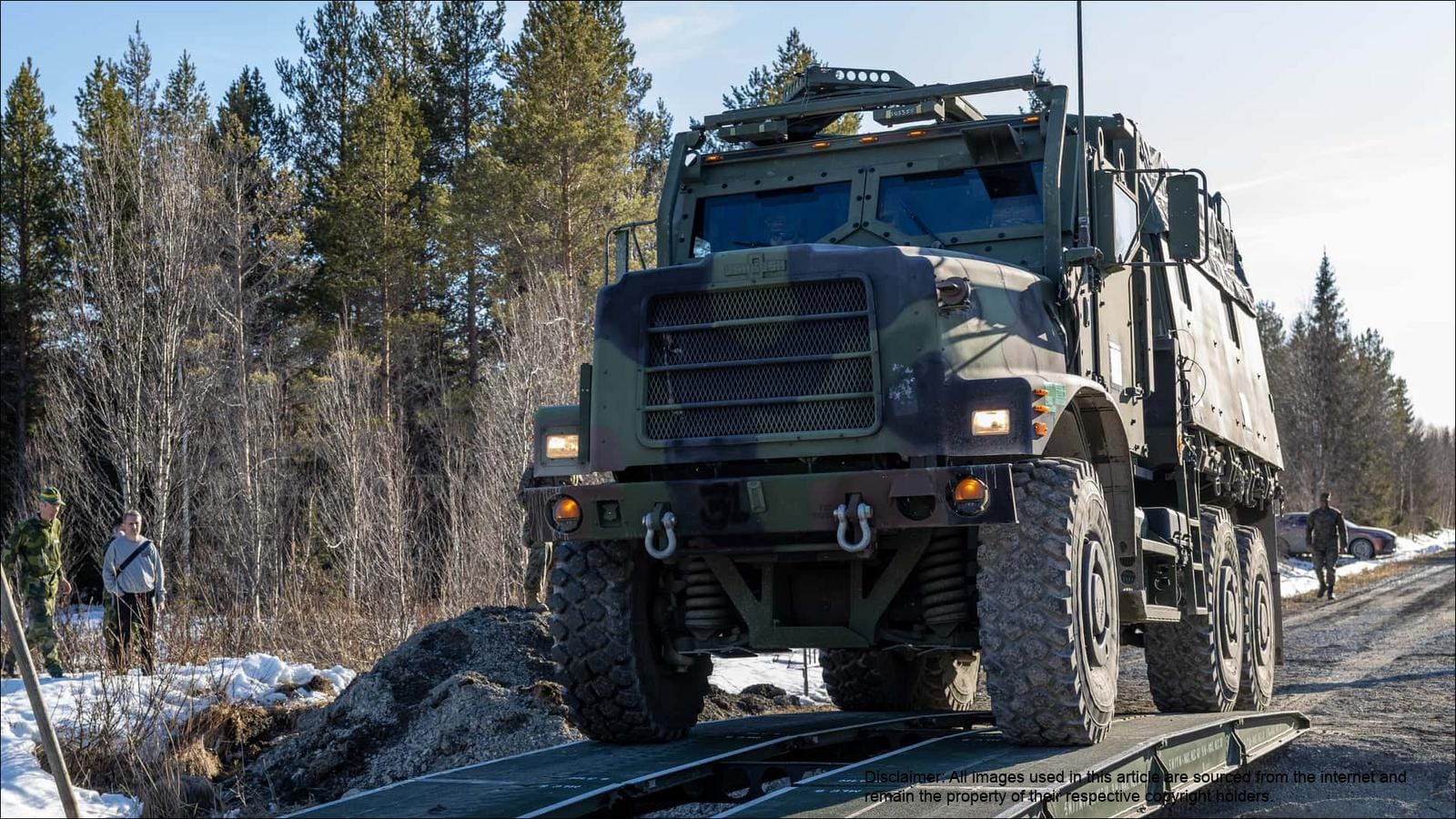
Marine Corps’ Hybrid Trucks: Silent & Fuel-Efficient


1. Introduction: The Marine Corps Goes Hybrid

The United States Marine Corps is embarking on a significant modernization effort by replacing its aging fleet of medium tactical vehicles. Instead of fully embracing all-electric vehicles, the Marines are setting their sights on hybrid technology. This move aims to bring a new level of efficiency and operational capability to their ground operations. The goal is to equip the force with trucks capable of powering tools and weapons with near-silent operation, enhancing their tactical advantage in the field. This transition marks a crucial step in aligning military technology with both performance and energy efficiency requirements.


2. The Medium Tactical Truck (MTT) Program

The Medium Tactical Truck (MTT) program is the Marine Corps’ initiative to find a modern replacement for its current medium-duty trucks. The second phase of this program involves a competition between two leading companies: Mack Trucks and ND Defense. Mack Trucks secured a $16 million contract to develop two prototypes, while ND Defense received $17.2 million to construct its hybrid truck prototype. Both companies are tasked with completing their prototypes by May of the following year. Following this, an eight-month performance testing phase will determine which company will be awarded the manufacturing contract, with testing extending into the fiscal year 2027.

CompanyContract AwardPrototype DeliveryTesting Completion
Mack Trucks$16 MillionMay Next YearFiscal Year 2027
ND Defense$17.2 MillionMay Next YearFiscal Year 2027


3. Hybrid Technology and Silent Operations

The key differentiator of the new MTT vehicles is their hybrid powertrains, which enable a silent power supply capability. The Marine Corps aims to reduce fuel consumption, extend operational range, and facilitate silent watch operations. These trucks are also expected to provide between 10 and 30 kilowatts of power to external systems. This capability is crucial for powering equipment in the field without the noise associated with traditional generators, enhancing the stealth and efficiency of military operations. The integration of hybrid technology marks a strategic move towards more sustainable and tactically advantageous military vehicles.


4. Mack Trucks’ Hybrid Solution

Mack Trucks is developing its prototypes based on the current Granite platform, customizing them to meet the specific requirements of the Marine Corps. As part of the MTT program’s second phase, Mack Trucks, owned by the Volvo Group, will construct a 4×4 configuration with a 10-foot cargo bed and a 6×6 configuration with a 20-foot bed. These vehicles will feature extensive onboard power storage and generation capabilities, along with exportable power for other military systems. Additionally, they will include modern amenities such as collision avoidance, blind-spot detection, and traction control with anti-lock brakes, enhancing safety and operational effectiveness.


5. ND Defense’s Atlas Platform

ND Defense is basing its prototype on the Atlas platform, which is available in various configurations ranging from 4×2 to 8×8. The Atlas platform’s versatility allows ND Defense to tailor the vehicle to the Marine Corps’ specific needs, providing a flexible solution that can be adapted for different operational requirements. This adaptability is crucial for meeting the diverse demands of tactical support missions, ensuring the vehicle can perform effectively in various scenarios.

FeatureMack Trucks (Granite Platform)ND Defense (Atlas Platform)
Configurations4×4, 6×64×2 to 8×8
Cargo Bed Lengths10-foot, 20-footVarious (depending on configuration)
Key FeaturesCollision avoidance, blind-spot detectionAdaptable to mission-specific needs


6. The Marine’s Perspective on Hybrid Tech

The Marine Corps’ decision to pursue hybrid technology for its next generation of tactical vehicles is driven primarily by operational energy concerns. According to Stephen Bowdren, Program Executive Officer Land Systems, minimizing the amount of fuel required for operations is a critical factor. While climate considerations are secondary, the reduction in fuel consumption and the ability to conduct silent watch operations are highly valued. This strategic focus on hybrid technology reflects the Marine Corps’ commitment to enhancing its tactical capabilities and reducing its logistical footprint.


7. Frequently Asked Questions


What are the main goals of the MTT program?

The primary goals of the Medium Tactical Truck (MTT) program are to replace the aging fleet of medium tactical vehicles, reduce fuel consumption, extend operational range, enable silent watch operations, and provide power to external systems.


Why is the Marine Corps choosing hybrid technology over all-electric vehicles?

The Marine Corps is prioritizing operational energy and minimizing fuel consumption. Hybrid technology offers a balance between fuel efficiency, extended range, and the ability to provide silent power for tactical operations, making it a practical choice for their needs.


What are the configurations of the Mack Trucks prototypes?

Mack Trucks is building a 4×4 configuration with a 10-foot cargo bed and a 6×6 configuration with a 20-foot cargo bed for the second phase of the MTT program.


What platform is ND Defense using for its prototype?

ND Defense is using the Atlas platform, which is available in configurations ranging from 4×2 to 8×8, providing flexibility to meet the Marine Corps’ specific needs.

    Comments are closed

    Search

    Follow us

    Have any questions?

    • help@evcube.net
    • +1 (510)-878-5951
    level 2 ev charger charging at home,tesla charger for home charging

    Safe

    level 2 ev charger charging at home,tesla charger for home charging

    Speed

    level 2 ev charger charging at home,tesla charger for home charging

    Stylish

    level 2 ev charger charging at home,tesla charger for home charging

    Save

    level 2 ev charger charging at home,tesla charger for home charging

    Smart

    level 2 ev charger charging at home,tesla charger for home charging

    Suitablility

    Tesla Redesigns Doors for Emergency Safety

    Table of Contents 1. Introduction: Tesla's Door Handle Redesign 2. NHTSA Investigation and Safety Concerns 3. Details of the New Door Release Design 4. Global Regulatory Landscape 5. FAQ Introduction:…
    Read more

    Lyft Teams With Waymo to Catch Uber

    Table of Contents 1. Lyft's Pursuit of Autonomous Vehicles 2. The Waymo-Lyft Collaboration: A Game Changer? 3. Uber's Autonomous Driving Initiatives 4. Nashville as the Launchpad for Robotaxis 5. FAQ…
    Read more

    Hyundai’s 600-Mile EREV: 2027 Game Changer

    Table of Contents 1. Hyundai's Electrified Future: The 2027 EREV Launch 2. Understanding Extended Range Electric Vehicles (EREVs) 3. Hyundai's Unique EREV Strategy and Genesis Expansion 4. EREVs in the…
    Read more

    Tesla Redesigns Doors for Emergency Safety

    Table of Contents 1. Introduction: Tesla's Door Dilemma 2. The Proposed Design Change: A Unified Approach 3. NHTSA Investigation and Regulatory Scrutiny 4. Global Impact and Future Solutions 5. FAQ…
    Read more

    BMW: Gas Engines Will Never Die

    Table of Contents 1. BMW's Dual-Track Strategy: EVs and Combustion Engines 2. Market Dynamics Driving BMW’s Decision 3. The Future of BMW Platforms: A Diverse Approach 4. FAQ 1. BMW's…
    Read more

    Tesla FSD vs NYC Chaos: Robotaxi Test

    Table of Contents 1. Introduction: The Tesla Robotaxi Challenge in NYC 2. Navigating NYC with Tesla's Full Self-Driving 3. Tesla's Vision-Based Autonomy vs. the Competition 4. FSD Beyond NYC: Suburban…
    Read more
    evcubnb level 2ev charer,tesla charger,home charger,50a charger,nema 14-50charger

    Any Charging Problem?
    Let Us Know 24/7

    • 13850 CENTRAL AVE, CHINO CA
    • help@evcube.net
    ©2022 EVCUBE - All rights reserved