Table of Contents
The Mercedes-Benz CLA EV Charging Conundrum
Mercedes-Benz is stepping into the electric vehicle arena with its new CLA EV, a sleek sedan promising impressive efficiency and rapid charging capabilities. Boasting an 800V architecture, the CLA EV aims to deliver charging speeds of up to 320kW, positioning it as a strong contender against other premium EVs like the Lucid Air. However, a peculiar design choice has raised eyebrows: the CLA EV is designed to exclusively utilize 800V DC fast chargers, creating a potential bottleneck in its real-world usability. This decision means it cannot utilize the more common 400V DC charging stations.
The issue came to light when an EV enthusiast, RomingNorway, shared a screenshot from Mercedes-Benz’s website, highlighting the CLA EV’s 800V-only charging capability. The car’s navigation system will reportedly only direct drivers to compatible 800V charging stations. While this might seem inconsequential at first glance, the limited availability of 800V chargers, particularly in the United States, poses a significant challenge. The promise of ultra-fast charging is diminished if drivers can’t readily access compatible charging infrastructure. This limitation raises concerns about the practicality of the CLA EV for long journeys and everyday use, potentially overshadowing its technological advancements.

Exclusively 800V Charging: A Bold Bet or a Critical Flaw?
The decision to limit the Mercedes-Benz CLA EV to 800V DC fast chargers is a strategic gamble. While 800V charging technology allows for significantly faster charging times, the current charging infrastructure in the U.S. is predominantly 400V. This means that CLA EV owners will be restricted to a smaller pool of compatible charging stations. Mercedes-Benz justifies this decision by emphasizing its commitment to uncompromised charging performance, suggesting that supporting 400V charging would necessitate design compromises that could reduce charging efficiency.
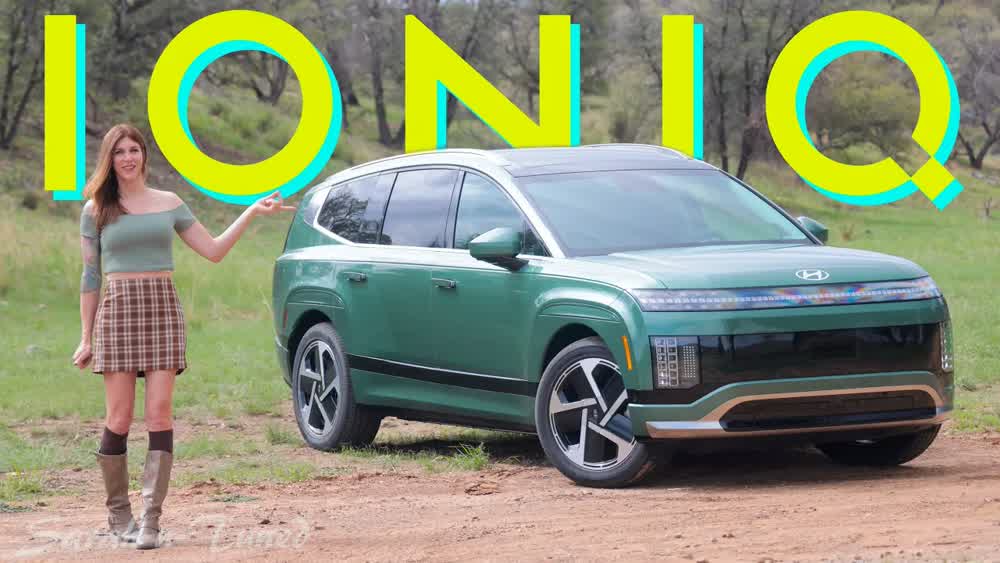
However, this approach contrasts with other EVs that utilize 800V architectures, such as the Lucid Air, Porsche Taycan, Hyundai Ioniq 5, and Kia EV9. These vehicles retain the ability to charge at 400V stations, albeit at reduced speeds, providing a crucial fallback option when 800V chargers are unavailable. The CLA EV’s inability to utilize 400V chargers could severely limit its practicality for road trips and in areas with limited 800V charging infrastructure. The success of this strategy hinges on the rapid expansion of 800V charging networks. If charging providers can’t keep pace with the growing number of EVs that support higher voltages, the CLA EV’s appeal may be significantly diminished.
| EV Model | Maximum Charging Voltage | 400V Charging Compatibility |
|---|---|---|
| Mercedes-Benz CLA EV | 800V | No |
| Lucid Air | 900V+ | Yes |
| Porsche Taycan | 800V | Yes |
| Hyundai Ioniq 5 | 800V | Yes |
| Kia EV9 | 800V | Yes |
The NACS Port Paradox: Convenience Undermined
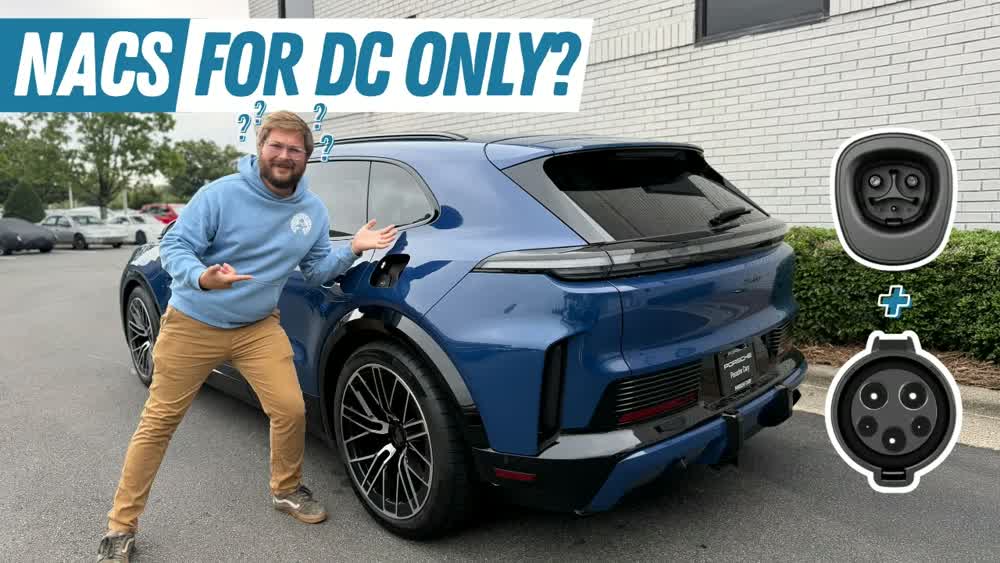
Adding to the charging complexity, the Mercedes-Benz CLA EV will feature a Tesla-designed NACS charging port in the U.S. However, this port will be largely unusable at Tesla Superchargers, as these stations do not currently support 800V charging. This means that CLA EV owners will need to rely on a CCS1 charging adapter to access 800V charging stations that aren’t part of the Supercharger network, which often utilize CCS1 plugs. This effectively negates the convenience that the NACS port is intended to provide.
Moreover, while the CLA EV is equipped with both a NACS inlet and a J1772 port for AC charging, the NACS port cannot accept AC charging in this implementation. This renders tens of thousands of Tesla Destination Chargers unusable for the CLA EV. Instead, owners will have to rely on J1772 chargers for slower AC charging. This further compounds the charging limitations and introduces an unexpected inconvenience for owners. Mercedes-Benz is banking on the widespread adoption of 800V charging infrastructure to justify these design choices. However, until that becomes a reality, the CLA EV’s charging experience may be compromised.