Table of Contents
Shanghai Auto Show: Gauging Automotive Interest
The Shanghai Auto Show, alongside its Beijing counterpart, stands as the world’s largest automotive trade show, offering a unique lens through which to view the preferences and trends of the global car market. This year’s show underscored the dominance of electric vehicles (EVs) and plug-in hybrids (PHEVs), highlighting a fiercely competitive landscape where only the most compelling offerings capture the attention of discerning Chinese buyers, journalists, engineers, and influencers. The interest, or lack thereof, in specific models serves as an immediate and telling barometer of their potential success.
Notably, while certain Western brands like Buick and Lincoln struggled to draw crowds, the Li Auto Mega, an electric van already a year into its market presence, saw significant interest, with attendees lining up for a closer look. This wasn’t simply a matter of national pride, as many Chinese brands also faced challenges in attracting attention. The show vividly demonstrated that in a market as vast and competitive as China’s, only the truly exceptional vehicles rise to the top.
| Brand | Observed Interest Level | Notable Models |
|---|---|---|
| Buick | Low | New Models (Unspecified) |
| Lincoln | Low | New Models (Unspecified) |
| Li Auto | High | Mega (Electric Van) |
| Nissan | High | N7 (Electric Sedan), Frontier Pro PHEV |
The Nissan N7: An Electrifying Sedan Stealing the Show
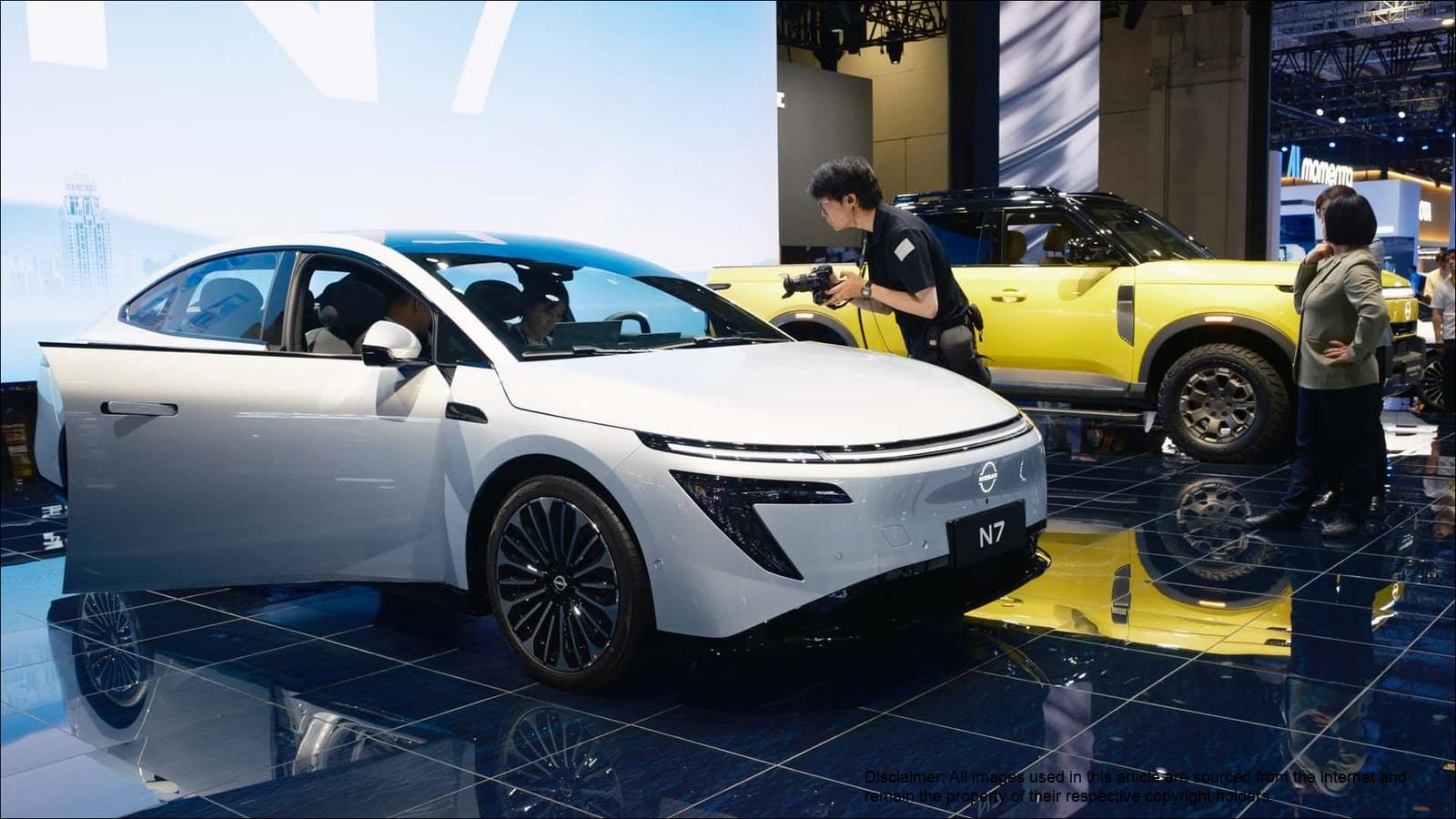
Amidst the bustling Shanghai Auto Show 2025, the Nissan N7 emerged as a surprising crowd-pleaser. Despite Nissan’s recent struggles and headlines hinting at its decline, the N7, an all-electric sedan, captivated attendees, both Chinese and Western alike. This model, first previewed as the Nissan Epoch Concept, is slated to hit the Chinese market soon, thanks to Nissan’s collaboration with Dongfeng.
On paper, the **Nissan N7** presents a fairly standard set of specifications for China’s advanced EV market. It offers two lithium iron phosphate (LFP) battery options: 58 kWh and 73 kWh, providing ranges of 316 miles (510 km) and 388 miles (625 km), respectively. The car delivers up to 268 horsepower and boasts an impressive drag coefficient of 0.208 Cd. However, it operates on a 400-volt EV architecture, which, while adequate, isn’t cutting-edge. The inclusion of a Qualcomm Snapdragon processor and DeepSeek AI integration caters to the sophisticated software demands of Chinese consumers.
The N7’s appeal lies significantly in its aesthetics. While its sleek lines and thin LED lights might seem commonplace in a market saturated with aerodynamic EVs, its design is undeniably attractive. The interior further enhances its allure, featuring a driver’s display, a large dashboard tablet, and soft-touch materials in contemporary color combinations. The inclusion of physical buttons and switches offers a welcome departure from complete minimalism, creating a user-friendly and visually appealing cabin.
| Specification | Value |
|---|---|
| Battery Options | 58 kWh, 73 kWh (LFP) |
| Range | 316 miles (510 km), 388 miles (625 km) |
| Horsepower | Up to 268 hp |
| Drag Coefficient | 0.208 Cd |
| EV Architecture | 400-volt |

The Frontier Pro PHEV: A Nod to the Past with Electrified Future
The **Nissan Frontier Pro PHEV** also garnered significant attention at the Shanghai Auto Show, particularly striking given that China isn’t traditionally a large market for pickup trucks. This new model represents Nissan’s first foray into electrified trucks, a surprising development considering the company’s pioneering history with EVs like the Leaf.
The Frontier Pro PHEV features a 1.5-liter turbocharged four-cylinder engine paired with an unspecified battery, delivering up to 6 kilowatts of power. It boasts an impressive all-electric range of 84 miles (135 km) under China’s testing cycle. This model is essentially a reskinned Dongfeng Z9, with Nissan incorporating design cues reminiscent of the 1980s Nissan D21 Hardbody pickup, blending retro aesthetics with modern electrification.
| Specification | Value |
|---|---|
| Engine | 1.5-liter turbocharged four-cylinder |
| Electric Power | Up to 6 kW |
| Electric Range | 84 miles (135 km) |
| Based On | Dongfeng Z9 |
| Design Inspiration | 1980s Nissan D21 Hardbody |
A Missed Opportunity for the US Market?
Given the current geopolitical climate, importing vehicles like the **Nissan N7** and **Nissan Frontier PHEV** from China to the United States is fraught with challenges, including tariffs, software restrictions, and sanctions on battery materials. However, the popularity of these models at the Shanghai Auto Show underscores a potential gap in the American market. The absence of similar offerings from Nissan in the US raises questions about the company’s strategic direction.
The success of the N7 and Frontier Pro PHEV in China highlights what could have been if Nissan had continued to invest in electrification, building on its early leads with vehicles like the Leaf and Altima Hybrid. Instead, the US market is left with limited EV options from Nissan, primarily consisting of crossovers like the Ariya, alongside canceled EV plans and unfulfilled promises. While Nissan has announced turnaround plans for the US and global markets, the absence of compelling, well-priced EVs and PHEVs leaves a significant void. If Nissan can impress Chinese buyers with such vehicles, imagine the possibilities if the automaker committed to a robust electrification strategy for the US market.
Frequently Asked Questions


Tesla Redesigns Doors for Emergency Safety

Lyft Teams With Waymo to Catch Uber

Polestar 4’s No Rear Window Wins Over 80% of Buyers

Hyundai’s 600-Mile EREV: 2027 Game Changer

Tesla Redesigns Doors for Emergency Safety

BMW: Gas Engines Will Never Die

Tesla Car Wash Mode: Don’t Make This Costly Mistake

Tesla FSD vs NYC Chaos: Robotaxi Test


Any Charging Problem?
Let Us Know 24/7