Table of Contents
The New York Tesla Battle: A Clash of Interests
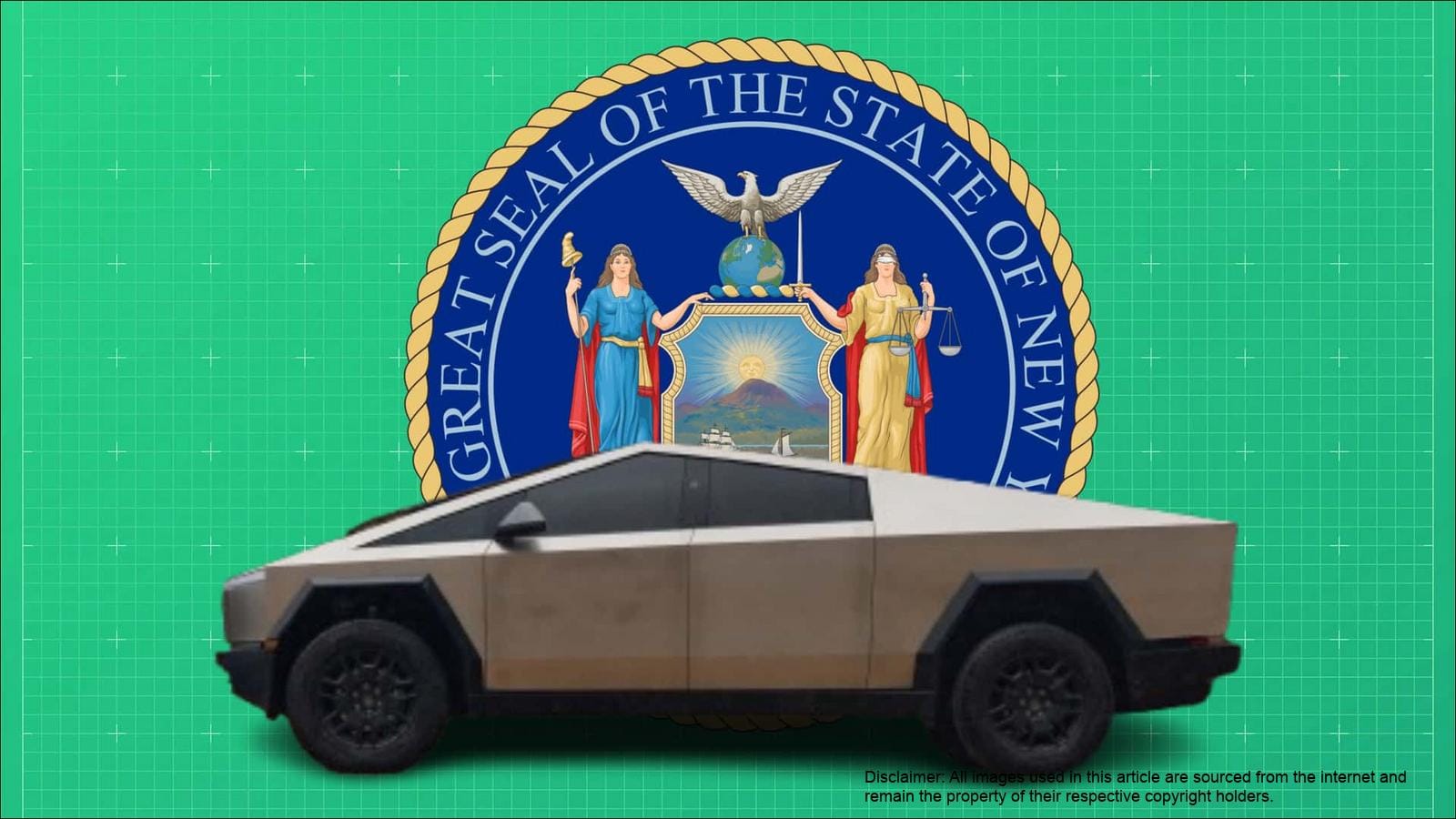
The electric vehicle (EV) landscape in New York is heating up, but not in the way one might expect. Instead of a smooth transition towards electrification, the state finds itself embroiled in a contentious battle over market access and competitive fairness. At the heart of the issue is a proposal by New York State Senator Patricia Fahy to repeal Tesla’s licenses to operate its stores within the state. This move, ostensibly aimed at leveling the playing field, has ignited a debate about the role of established dealerships, the influence of money in politics, and the future of EV sales in New York.
The core argument revolves around the existing regulations that permit Tesla to operate five stores in New York, while simultaneously barring other EV manufacturers like Lucid, Rivian, and Scout from establishing their own sales centers. Senator Fahy’s stance is that Tesla should not be granted a “monopoly,” particularly given CEO Elon Musk’s perceived opposition to climate change initiatives. However, critics argue that this proposal misses the larger point: the anti-competitive nature of the regulations themselves.
Dealer Influence and Market Distortion: The Anti-Competitive Landscape
The current regulatory framework in New York is largely the result of lobbying efforts by car dealerships, who seek to protect their traditional franchise model from the disruption posed by direct-to-consumer sales. This influence has led to the creation of laws that effectively ban direct sales, with the exception of Tesla, which had already established a presence in the state before the ban was enacted. This exception has inadvertently created a situation where Tesla enjoys a de facto monopoly, not by design, but as a consequence of regulations intended to shield dealerships from competition.
The impact of these regulations extends beyond Tesla. Emerging EV brands like Rivian and Lucid are unable to establish a retail presence in New York, hindering their ability to compete in a market with significant potential. This not only limits consumer choice but also stifles innovation and economic growth within the state. The table below illustrates the stark contrast in market access for different EV manufacturers in New York:
| EV Manufacturer | Number of Stores in New York | Direct Sales Allowed? |
|---|---|---|
| Tesla | 5 | Yes (grandfathered) |
| Lucid | 0 | No |
| Rivian | 0 | No |
| Scout Motors | 0 | No |
The Flawed Solution and Consumer Impact: A Zero-Sum Game?
Senator Fahy’s proposed solution – revoking Tesla’s licenses and potentially redistributing them to other EV manufacturers – is a band-aid on a deeper wound. It perpetuates the practice of the state picking winners and losers, rather than fostering a truly competitive market. While the intention may be to level the playing field, it risks creating a system where companies are beholden to political favor, rather than consumer demand and market innovation.
Ultimately, it is the consumers who bear the brunt of these anti-competitive practices. By limiting market access and restricting direct sales, New York residents are denied the benefits of price transparency, streamlined purchasing experiences, and increased competition. The state’s aspiration to be a leader in electrification is undermined by policies that prioritize the interests of established dealerships over the needs of consumers and the advancement of the EV industry. The real solution lies in repealing the ban on direct-to-consumer sales altogether, allowing all EV manufacturers to compete on a level playing field and empowering consumers to make informed choices.