Table of Contents
1. Introduction: The Polestar 5’s Ambitious Challenge
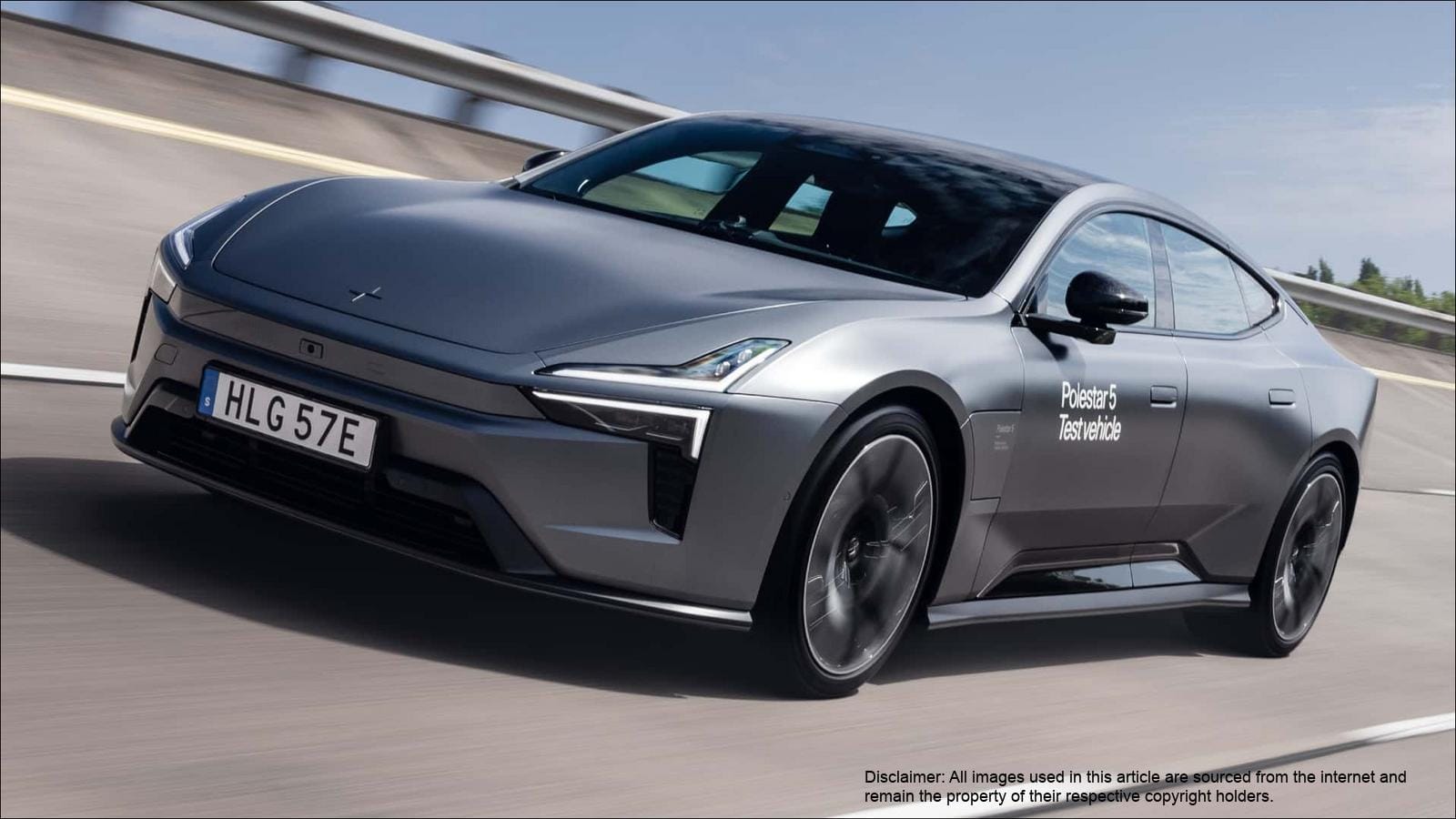
The Polestar 5, touted as the “most _Polestar_ Polestar yet,” represents a significant leap for the electric vehicle (EV) brand. Designed as a high-performance electric sedan and a direct Porsche Taycan rival, it stands out with its bespoke EV platform, eschewing the common practice of platform sharing among corporate cousins. This commitment to uniqueness, however, presents both opportunities and challenges, particularly concerning its introduction to the U.S. market. The Polestar 5’s journey from concept to U.S. roads is fraught with potential roadblocks, primarily stemming from its manufacturing location and the existing Chinese EV tariffs.
2. Production Hurdles and Tariff Troubles
The Polestar 5, boasting an impressive 884 horsepower and an aluminum body, is slated for production in Chongqing, China. This decision aligns with Polestar’s parent company, Geely, a Chinese conglomerate, and mirrors the manufacturing location of the Polestar 2. However, this strategic choice now faces significant headwinds due to escalating Chinese EV tariffs in the U.S. These tariffs, which can exceed 100%, were implemented by both the Trump and Biden administrations to protect domestic industries. Martin Rosenqvist, the Polestar 5’s vehicle program business lead, acknowledged the difficulty these tariffs pose, stating, “Obviously, it’s going to be super difficult to bring this car into the U.S. under the current circumstances.” The high tariffs could inflate the price of the Polestar 5 to levels that are uncompetitive, potentially jeopardizing its U.S. launch. Given its European base price of around €119,900 (approximately $140,000), a 100% tariff could push the price to nearly $280,000, placing it in an ultra-luxury segment.
| Factor | Details | Impact on Polestar 5 |
|---|---|---|
| Manufacturing Location | Chongqing, China | Subject to U.S. tariffs |
| U.S. Tariffs on Chinese EVs | Over 100% | Potentially doubles the price |
| Base Price (Europe) | €119,900 (approx. $140,000) | Could reach $280,000 in the U.S. |
3. Polestar’s Global Strategy and the Unique Polestar 5
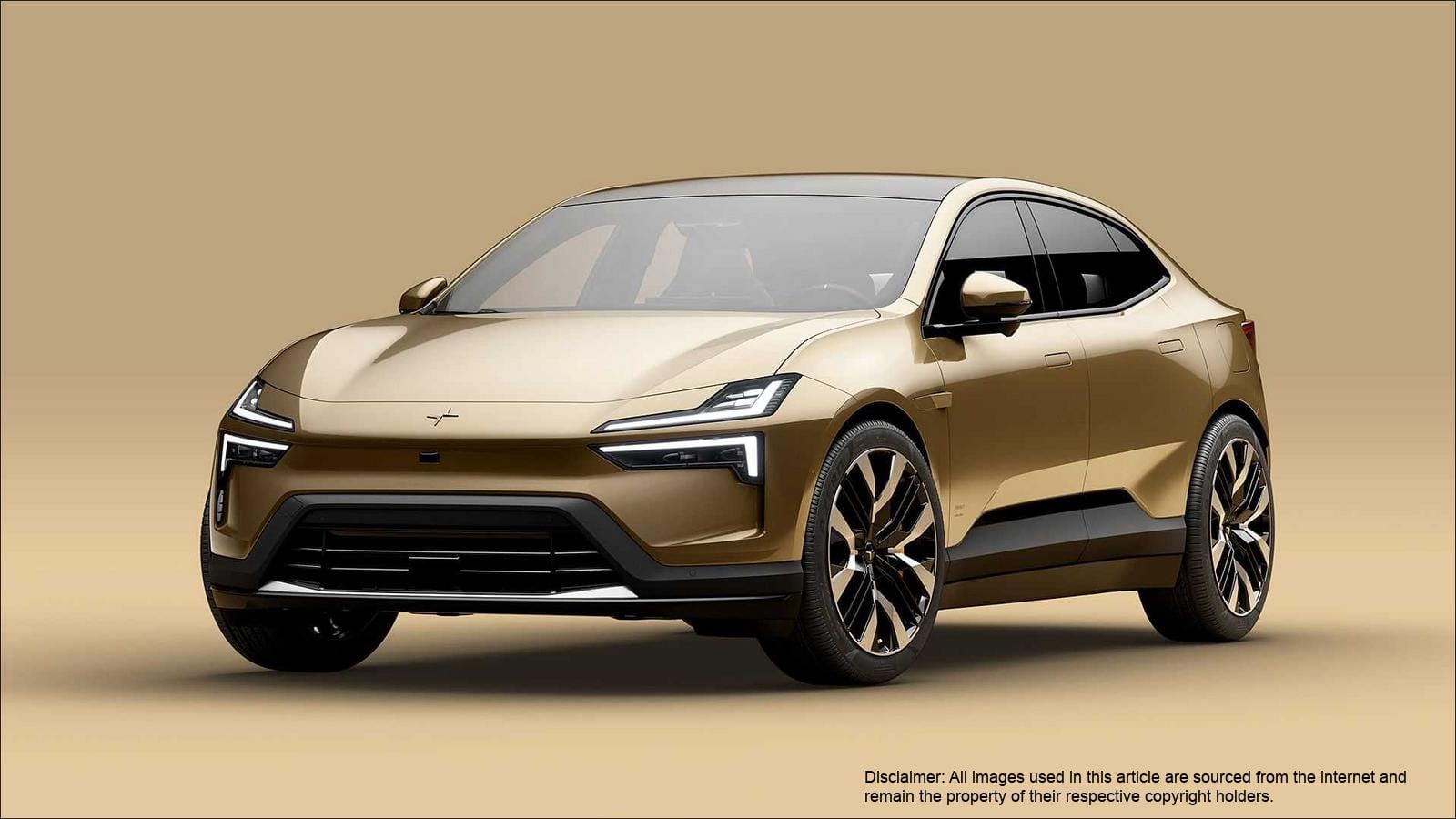
Polestar’s global production strategy, described as an “asset-light” model, involves manufacturing vehicles in various locations, leveraging the Geely Group’s extensive resources. For example, the Polestar 3 is produced in South Carolina alongside its Volvo counterpart, while the Polestar 4 is made in South Korea through a partnership with Renault. However, the Polestar 5’s unique, bonded aluminum structure presents a challenge to this flexible approach. Replicating the specialized manufacturing process required for the Polestar 5 in another plant is not easily achievable. As Rosenqvist explained, “You cannot take a bonded aluminum structure and just replicate that in any plant. It needs a special setup.” This inflexibility complicates the prospect of shifting production to avoid tariffs, making the U.S. market entry particularly challenging.
4. Performance, Market Position, and Future Hopes
Despite the challenges, the Polestar 5 holds significant potential as a premium halo car for the brand. Its performance specifications are impressive, featuring a 112 kWh battery (106 kWh usable), nearly 900 horsepower in top performance form, a zero to 60 mph time of under three seconds, and a 350 kW max charging speed. With over 300 miles of range, it could appeal to U.S. consumers seeking a high-performance, long-range EV. While Polestar has faced uneven global sales and financial pressures, the recent launches of the Polestar 3 and Polestar 4 have shown a rebound. The Polestar 5, even as a low-volume model, could significantly enhance brand visibility and attract attention. Company officials remain optimistic about the possibility of bringing the Polestar 5 to the U.S. market, recognizing its potential appeal to American drivers. As Rosenqvist noted, “No one would be happier than us if we were able to launch this car immediately in the U.S. I think it’s a great fit for a lot of the U.S. consumers. I think this is going to be a car that you want to drive from coast to coast.”
| Performance Metric | Specification |
|---|---|
| Battery Capacity | 112 kWh (106 kWh usable) |
| Horsepower | Nearly 900 hp |
| 0-60 mph | Under 3 seconds |
| Max Charging Speed | 350 kW |
| Range | Over 300 miles |