Table of Contents
1. Introduction: Subaru’s Electrified Adventure
The New York International Auto Show has become a key stage for showcasing the latest advancements in electric vehicles and adventure-ready SUVs. This year, Subaru is making a significant impact, unveiling the highly anticipated 2026 Subaru Trailseeker EV alongside an upgraded Solterra. The initial impressions are overwhelmingly positive, with both models appearing even more impressive in person than in their initial photographs. This move signifies Subaru’s commitment to blending its renowned off-road capabilities with the burgeoning electric vehicle market, catering to a growing segment of environmentally conscious adventurers. The Subaru Trailseeker represents more than just a new model; it embodies a strategic shift towards electrification while retaining the core values of ruggedness and reliability that Subaru enthusiasts have come to expect.
2. The 2026 Subaru Trailseeker EV: Not Just a Rebadged Solterra
Subaru’s collaboration with Toyota, which spans over a decade, has resulted in vehicles like the Solterra. With the unveiling of the 2026 Subaru Trailseeker EV, comparisons to the Toyota bZ4x are inevitable, especially given the updated bZ4x model recently revealed in Europe. However, Subaru is keen to emphasize that the Trailseeker is not simply a Solterra with a rugged makeover. According to William Stokes, the car line planning manager at Subaru of America, the Trailseeker has been specifically engineered and tuned for genuine off-road performance. “Subaru engineers did a lot of the [Trailseeker’s] development work on the all-wheel drive and the motor tuning,” Stokes stated at the New York International Auto Show. This highlights Subaru’s dedication to ensuring the Trailseeker lives up to the brand’s reputation for robust all-wheel-drive capabilities. Furthermore, Stokes pointed out that the Trailseeker is manufactured in a Subaru factory in Japan, distinguishing it from the Solterra, which is produced at a Toyota plant. This detail underscores the unique engineering and manufacturing processes that set the Trailseeker apart, reinforcing the message that it’s a distinct model with its own identity.
3. Charging, Range, and Off-Road Prowess
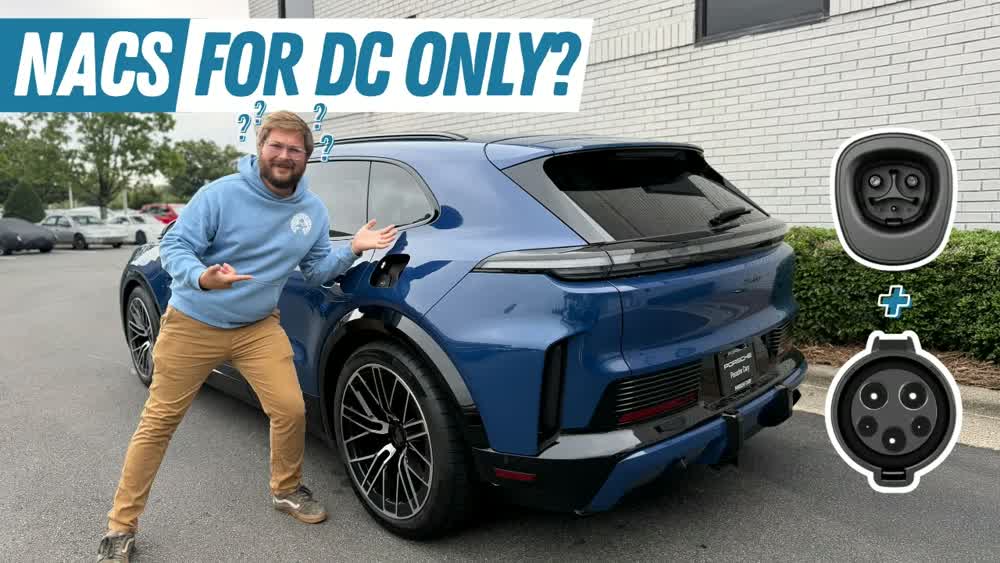
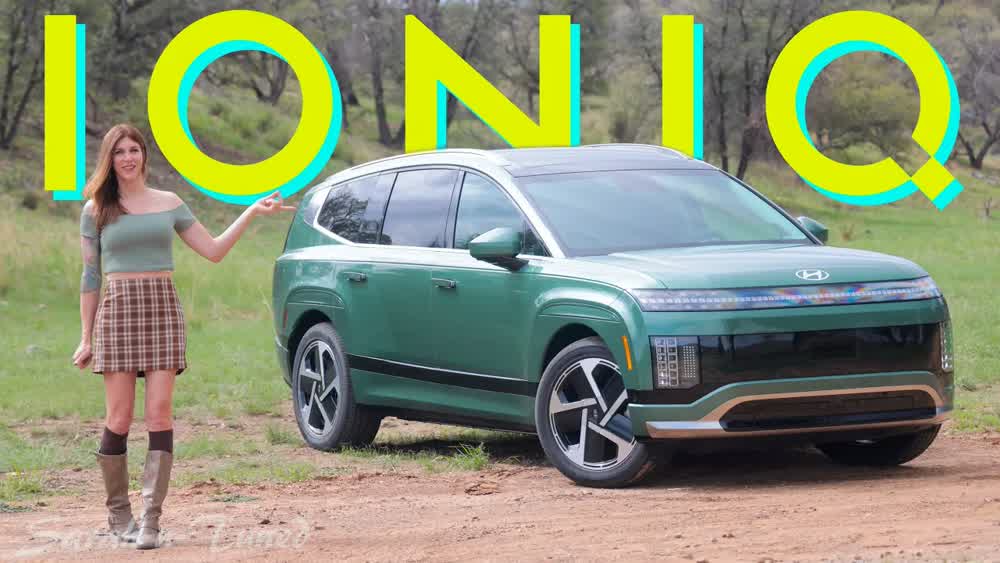
The 2026 Subaru Trailseeker EV is designed to meet the practical needs of EV owners. One of its key features is the inclusion of the Tesla-developed North American Charging Port (NACS) right from the factory, providing access to Tesla’s extensive Supercharger network. While the Trailseeker and Outback won’t initially offer the seamless “plug and charge” functionality found in Teslas, Subaru is incorporating native route planning and battery preconditioning options, both automatic and manual, to optimize charging on the go. Dimensionally, the Trailseeker is notably different from the Solterra. It boasts an additional six inches in length and an extra inch of ground clearance, bringing the total to 8.3 inches. This increased length is primarily in the rear overhang, which translates to more trunk space—a significant advantage for outdoor enthusiasts who need to carry gear for weekend adventures. In terms of range, the Trailseeker’s 74.7-kilowatt-hour lithium-ion battery is projected to deliver approximately 260 miles, according to Subaru’s estimates. While this is slightly less than the refreshed Solterra, it is comparable to the Hyundai Ioniq 5 XRT, which offers 259 miles of EPA-estimated range but uses a larger 84 kWh battery. This suggests that the Trailseeker could be more energy-efficient. Subaru is confident that the Trailseeker’s blend of EV technology and off-road capability will appeal to a broad audience. The vehicle is designed for daily commuting but is also capable of handling adventures that don’t require extensive road trips. As Stokes noted, “If you have a cabin that’s 100 miles away, you can get there and back in this.”
4. Market Outlook and Future EVs
While the upgraded Outback is slated to hit the U.S. market this year, the Trailseeker is not expected until 2026. The pricing of the 2026 Subaru EV Trailseeker could be influenced by several factors, including potential tariffs under the current administration, which might lead to a higher price point compared to its gasoline-powered counterparts. However, Subaru believes there is a significant opportunity, as its customer base has shown a greater-than-expected interest in electric vehicles. “Our customers tend to over-index on EV interest,” Stokes mentioned, indicating that Subaru’s traditional buyers are keen on transitioning to EVs for environmental reasons. In addition to the Trailseeker and Solterra, Subaru plans to introduce two more EVs in the U.S. within the next few years. Toyota is also gearing up for a major EV expansion during the same period. The question remains: what types of vehicles will these new Subaru EVs be? This move underscores Subaru’s ambition to solidify its position in the electric SUV market and attract a new generation of eco-conscious drivers.