Table of Contents
A New Challenger Appears: The 2026 Subaru Trailseeker
The electric vehicle (EV) market is heating up, and Subaru is ready to play. With competitors like Rivian and Hyundai (with its Ioniq 5 XRT) pushing the boundaries, Subaru is stepping up its game, acknowledging the growing demand for electric options from the brand known for its all-terrain prowess. The New York Auto Show served as the stage for Subaru to unveil not only a significantly updated 2026 Solterra but also a surprise contender: the all-new Subaru Trailseeker. This electric crossover promises to be a substantial upgrade over the Solterra in numerous aspects.

Initially, there was speculation that the Trailseeker might simply be a re-badged version of the Toyota C-HR+. However, this proved to be incorrect. The 2026 Subaru EV Trailseeker is not only distinct but also larger than both the Toyota C-HR+ and the Toyota bZ4X (which shares its platform with the Solterra). Specifically, the Trailseeker boasts an additional six inches in length and one inch in height, making it the most extensive application of the bZ4X/Lexus RZ architecture thus far.
| Dimension | Subaru Trailseeker | Toyota bZ4X |
|---|---|---|
| Length | +6 inches compared to bZ4X | Shorter than Trailseeker |
| Height | +1 inch compared to bZ4X | Shorter than Trailseeker |
Under the Hood: Specs, Performance, and Off-Road Prowess
The Subaru Trailseeker, in essence, resembles an electric version of the popular Outback. Its wagon-like design, slightly elongated compared to the Solterra, is anticipated to resonate well with Subaru enthusiasts. True to Subaru’s heritage, the Trailseeker comes standard with all-wheel drive and is equipped with various driving modes such as Snow/Dirt and Deep Snow/Mud, along with Grip Control and Downhill Assist Control. These features collectively suggest that the Trailseeker should offer considerable off-road capability when faced with challenging conditions.

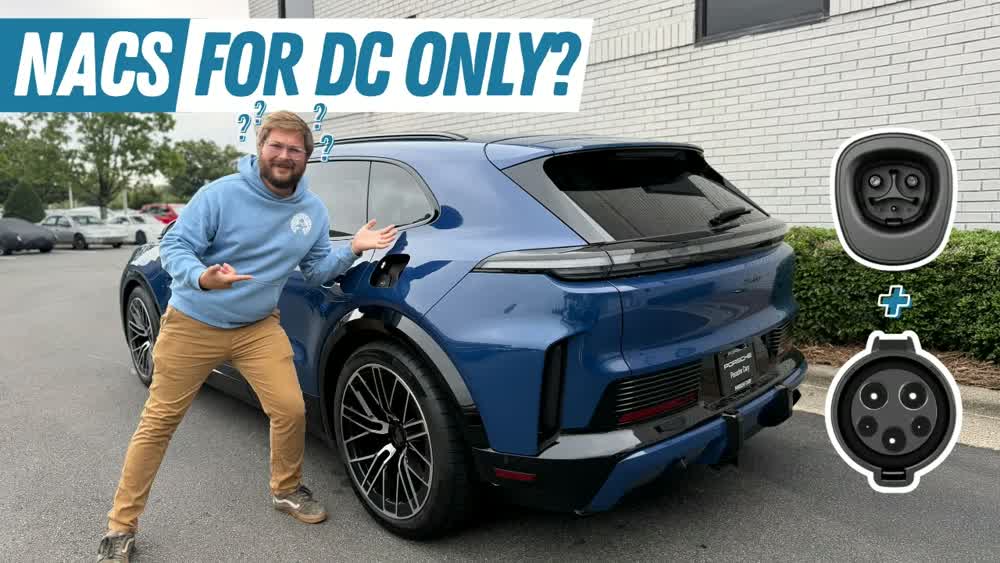
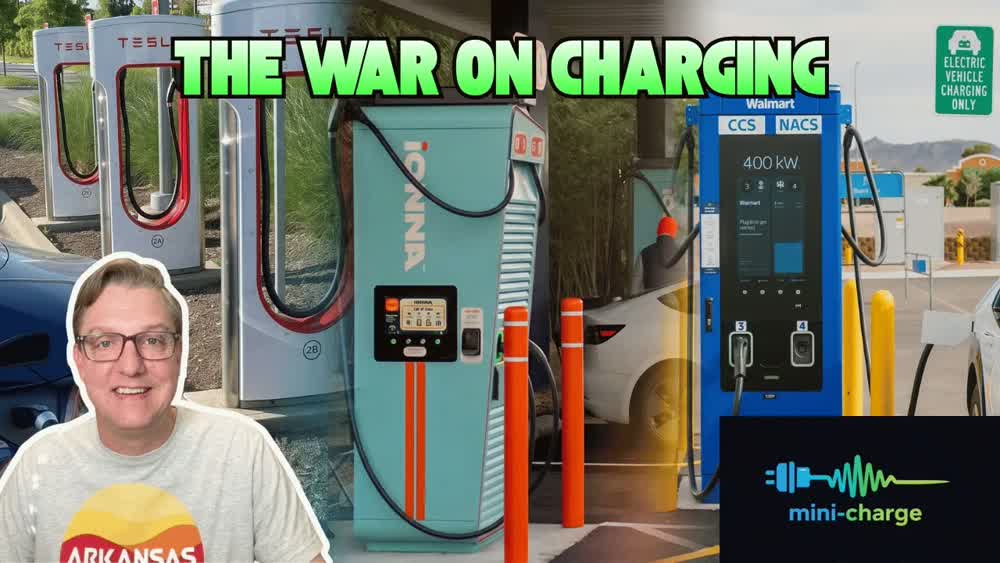
Powering the Trailseeker is a 74.7 kWh lithium-ion battery, mirroring the one found in the updated Solterra. This battery provides an estimated range of 260 miles. While this is slightly less than the Solterra’s range, the Trailseeker compensates with a Tesla-style North American Charging Standard (NACS) port, which is expected to grant access to Tesla Supercharger networks. According to a Subaru representative, the Trailseeker’s 150 kW maximum charging speed should allow for a 10% to 80% charge in under 35 minutes.
| Feature | Specification |
|---|---|
| Battery Capacity | 74.7 kWh |
| Estimated Range | 260 miles |
| Charging Speed | 150 kW max |
| 0-60 mph | 4.3 seconds (claimed) |
Filling a Void: Why the Trailseeker Makes Sense for Subaru
Performance-wise, the Trailseeker is quite impressive. Subaru estimates a zero to 60 mph acceleration time of just 4.3 seconds. Furthermore, the Trailseeker offers enhanced cargo capacity compared to both the WRX and the Solterra. According to Subaru, the Trailseeker’s larger cargo area and taller roof provide “ample space for people and their gear to explore the trails and beyond.”
Pricing details for the electric crossover have not yet been released. Subaru of America has also remained tight-lipped regarding whether the Trailseeker will command a higher price point than the Solterra. While it is plausible that the larger Trailseeker will be more expensive, further information is expected closer to its launch in 2026.
| Aspect | Trailseeker | Solterra |
|---|---|---|
| Cargo Space | Larger | Smaller |
| Range | 260 miles (estimated) | Potentially Higher |
Overall, the Trailseeker appears to be an excellent fit for Subaru, particularly for fans who may have felt overlooked in the EV transition. Its combination of off-road capability, practicality, and electric powertrain positions it well to appeal to drivers in regions like Colorado and Vermont, who seek eco-friendly vehicles capable of handling snowy conditions. The Subaru Trailseeker certainly seems poised for success in the burgeoning electric SUV market.