Table of Contents
1. Introduction: The Wireless Charging Dream for Cybertruck
The Tesla Cybertruck, with its striking stainless steel exoskeleton and futuristic features, has captured the imagination of EV enthusiasts worldwide. Among the many innovations considered for this “science experiment on wheels” was wireless charging. This feature promised a seamless, cable-free charging experience, aligning perfectly with Tesla’s vision of technological advancement. However, recent news indicates that this dream may not materialize for the Cybertruck, leaving many to wonder why.

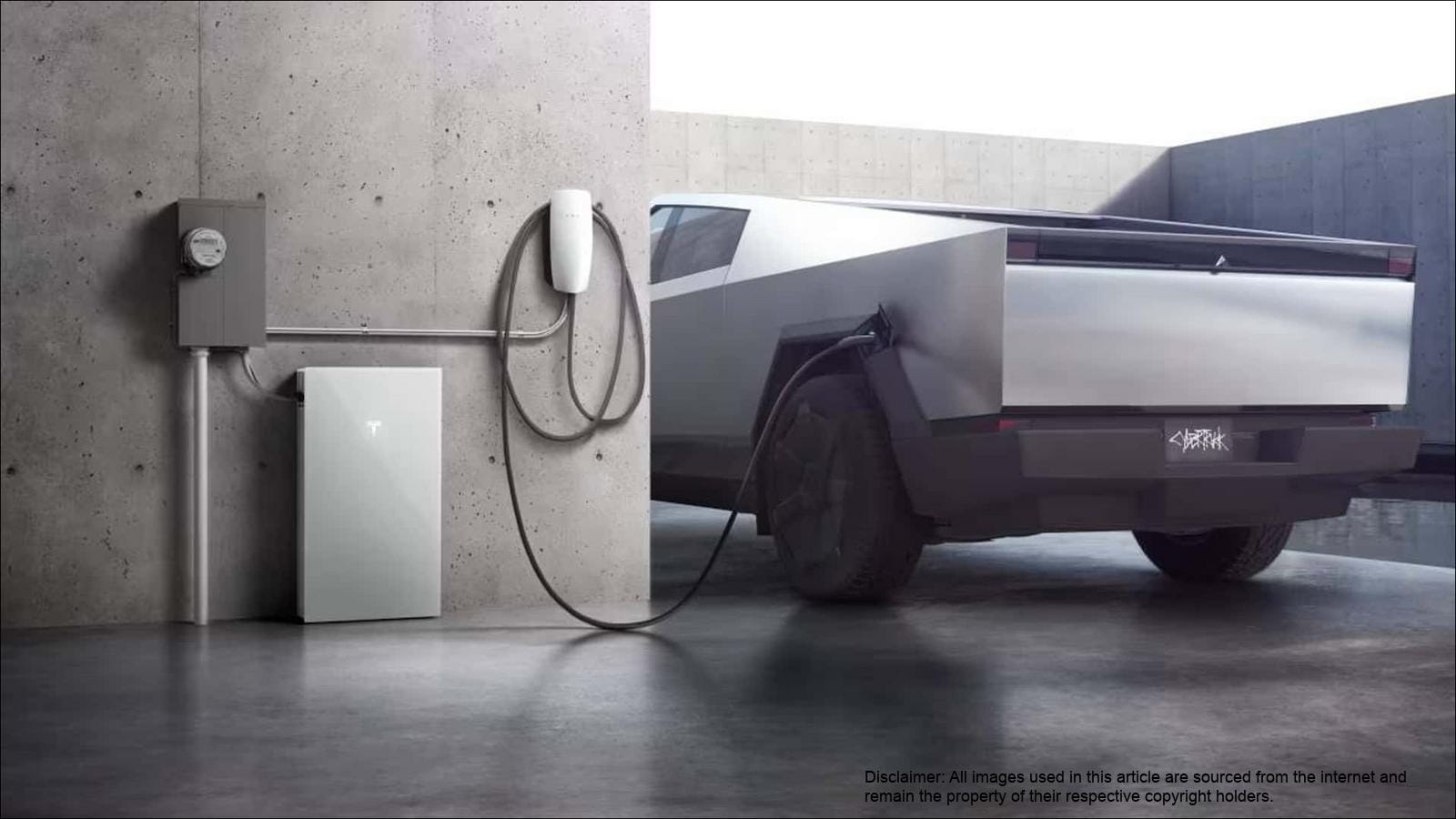
The Tesla Cybertruck: A marvel of engineering, but will it embrace wireless charging?
2. Morrill’s Statement and Ground Clearance Concerns
Wes Morrill, the lead engineer for the Cybertruck, has reportedly dismissed the possibility of wireless charging for the vehicle. In a Discord chat, Morrill stated, “Nothing planned there,” effectively quashing rumors that had circulated since the unveiling of a service manual page hinting at inductive charging capabilities. Morrill cited the Cybertruck’s high ground clearance as the primary obstacle. He argued that implementing wireless charging would necessitate an impractically tall base station, approximately six inches in height, to bridge the gap between the charging pad and the vehicle’s undercarriage.
To illustrate the challenge, consider the following comparison of ground clearances:
| Vehicle | Ground Clearance (inches) |
|---|---|
| Tesla Cybertruck | ~14-17 (adjustable) |
| Porsche Cayenne Electric (estimated) | ~8-9 |
Comparison of Ground Clearances: The Cybertruck’s height poses a challenge for wireless charging.
3. Inefficiency vs. Innovation: The Wireless Charging Dilemma
Wireless charging, while convenient, is inherently less efficient than traditional wired charging. The greater the distance between the transmitting and receiving antennas, the more energy is lost in the process. This inefficiency is further compounded by the Cybertruck’s ground clearance. Tesla’s decision to prioritize ground clearance over wireless charging suggests a strategic focus on the vehicle’s off-road capabilities and overall utility. However, the company may explore wireless charging solutions for other vehicles, such as the Cybercab, where automated charging is crucial.

Wireless Charging Efficiency: Distance matters when it comes to energy transfer.
4. Porsche Adopts Wireless Charging: A Different Approach
While Tesla appears to be stepping back from wireless charging for the Cybertruck, other automakers are embracing the technology. Porsche, for example, plans to offer wireless charging as an option for the upcoming Cayenne Electric, slated for release in 2026. The Cayenne Electric’s lower ground clearance makes wireless charging a more viable option. The system is expected to deliver up to 11 kW of charging power, on par with typical Level 2 home chargers. This divergence in strategy highlights the varying priorities and design considerations among EV manufacturers.

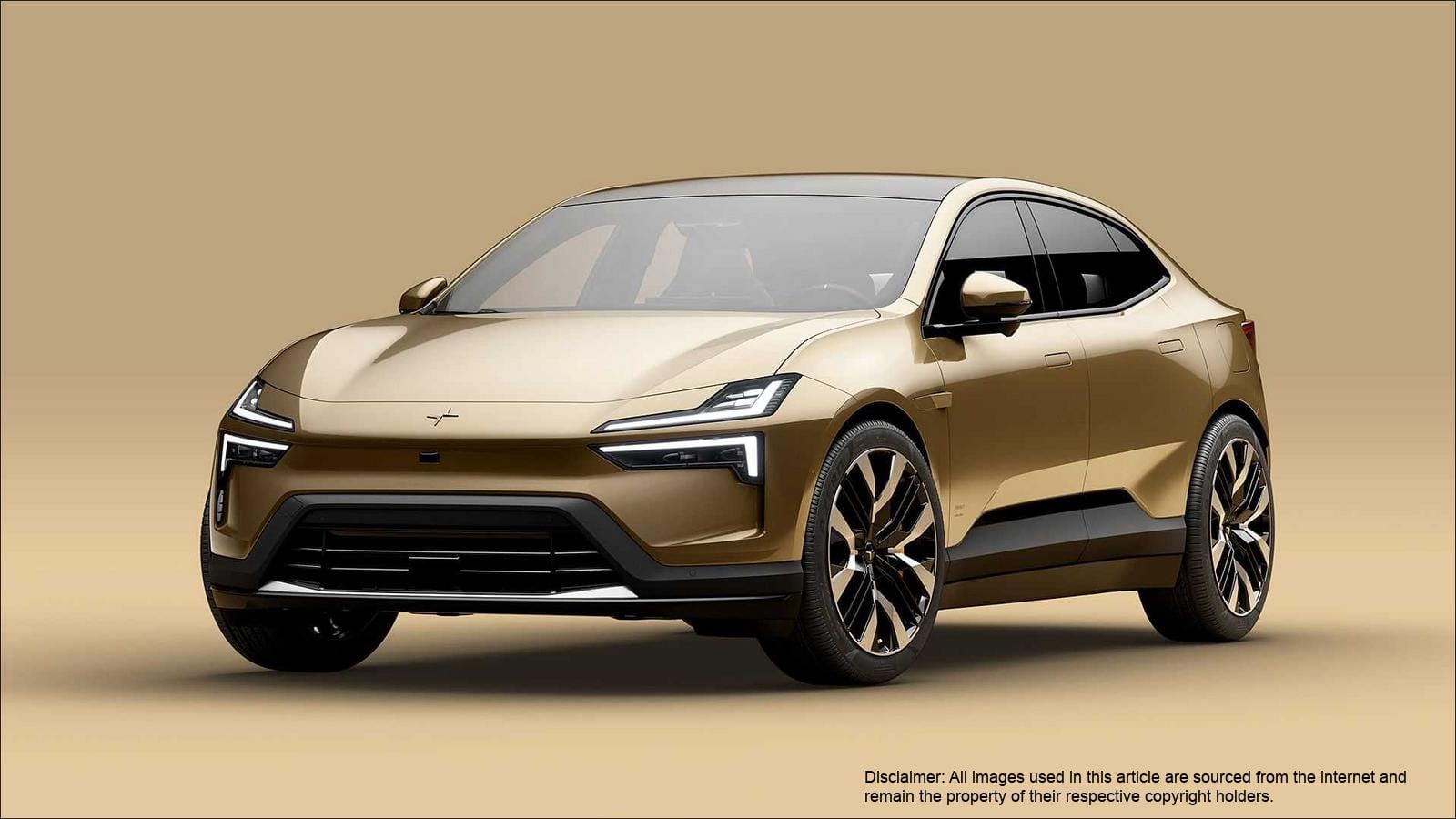
Porsche Cayenne Electric: Embracing wireless charging with a more suitable design.
The table below summarizes the key differences in wireless charging approaches:
| Feature | Tesla Cybertruck | Porsche Cayenne Electric |
|---|---|---|
| Wireless Charging | Not Planned | Optional (2026) |
| Ground Clearance | High (~14-17 inches) | Lower (~8-9 inches) |
| Charging Power | N/A | Up to 11 kW |
Wireless Charging Approaches: A comparison between Tesla and Porsche.