Table of Contents
Cybertruck Sales Decline in Q1 2024
The Tesla Cybertruck, with its bold and unconventional design, made a splash upon its unveiling in 2019. Boasting an estimated two million preorders, expectations were sky-high for this “look-at-me-mobile.” However, recent sales figures paint a different picture. According to new data from Cox, Tesla sold just over 6,400 Cybertrucks in the first quarter of 2024. While this is an increase from Q1 of the previous year, it represents a significant decline compared to the sales performance in Q3 and Q4, where Tesla moved more than twice as many units each quarter. This slowdown raises questions about the Cybertruck’s long-term market viability and whether it can live up to its initial hype.
| Quarter | Cybertruck Sales |
|---|---|
| Q1 2024 | 6,406 (estimated) |
| Q3 & Q4 (Combined) | More than double Q1 2024 each quarter |
Production Shortfalls and Competitive Pressures
Initially, Elon Musk projected an ambitious annual production of 250,000 Cybertrucks. This target has since been revised down to approximately 120,000 units. However, Q1 sales figures indicate that the Cybertruck is operating at only about 21% of its intended production capacity. This underutilization of production lines translates to lost revenue and highlights potential inefficiencies. Furthermore, while Tesla once touted the Cybertruck as the leading electric pickup in the U.S., competitors are rapidly gaining ground. The Ford F-150 Lightning sold 7,187 units, the Chevy Silverado EV and GMC Sierra EV combined for 3,632 sales, Rivian R1T moved 1,727 units, and the GMC Hummer EV sold 3,479 vehicles. These figures demonstrate the intensifying competition in the electric pickup market.
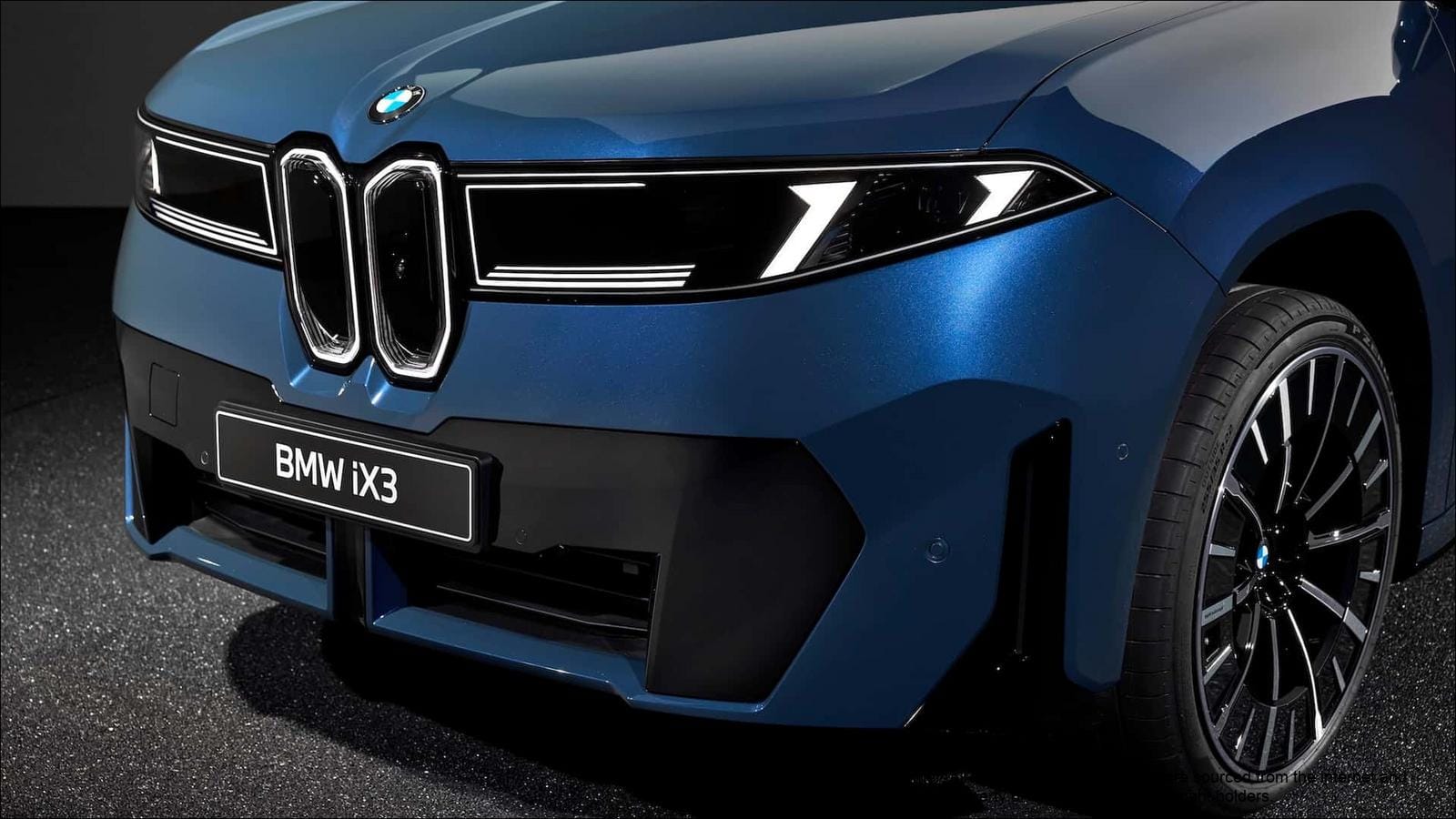
Adding to Tesla’s woes, sales of its luxury models, the Model S and Model X, also experienced a downturn, with only 5,213 units sold combined. In comparison, the BMW i4 outsold them with an estimated 7,125 units during the same period. This widespread sales slump across Tesla’s product line raises concerns about broader market trends and brand appeal.
| Vehicle | Q1 Sales |
|---|---|
| Tesla Cybertruck | 6,406 (estimated) |
| Ford F-150 Lightning | 7,187 |
| Chevy Silverado EV & GMC Sierra EV (Combined) | 3,632 |
| Rivian R1T | 1,727 |
| GMC Hummer EV | 3,479 |
| Tesla Model S & Model X (Combined) | 5,213 |
| BMW i4 | 7,125 |
Tesla’s Image Problem and Future Outlook
Beyond mere sales figures, Tesla faces a growing challenge with its brand image. The company’s reputation has become increasingly contentious, largely due to its CEO, Elon Musk, who has become a polarizing figure in the political landscape. Tesla itself acknowledged in its quarterly earnings report that “changing political sentiment” could negatively impact vehicle demand. CFO Vaibhav Taneja even noted that vandalism and hostility towards Tesla, fueled by political discourse, have affected sales in certain markets. This suggests that external factors, beyond product performance, are contributing to Tesla’s current struggles.
Tesla is actively attempting to bolster Cybertruck sales through various incentives and marketing strategies, aiming to appeal to traditional truck buyers. However, with a 71% year-over-year drop in net income for Q1, a potential product misstep with the Cybertruck could pose a more significant threat to the company’s financial health than initially anticipated. While it’s premature to declare the Cybertruck a complete failure, the current trajectory is concerning. The coming months will be crucial in determining whether Tesla can reverse these trends and revitalize its sales performance.