Table of Contents
The Delay: What We Know
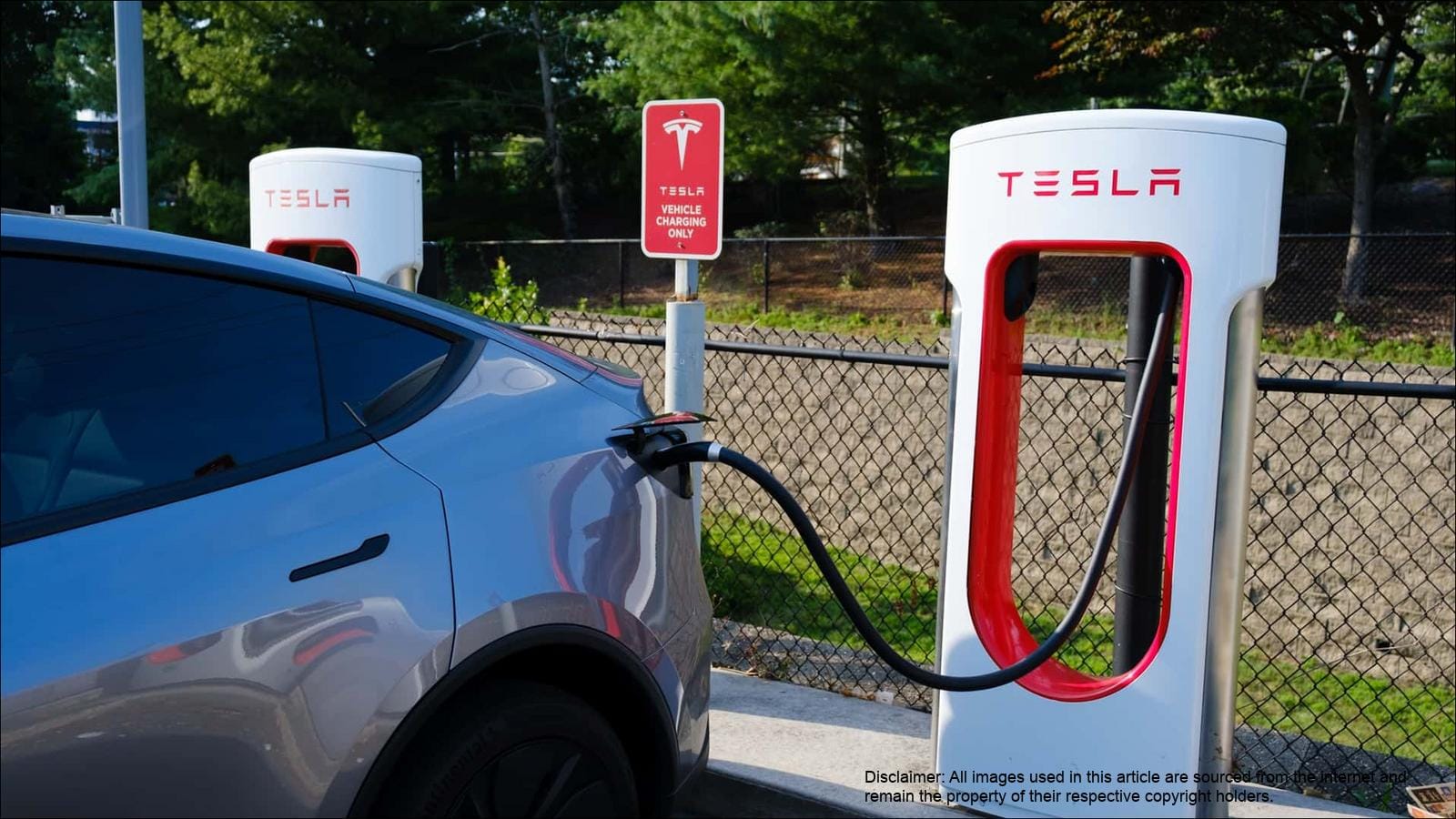
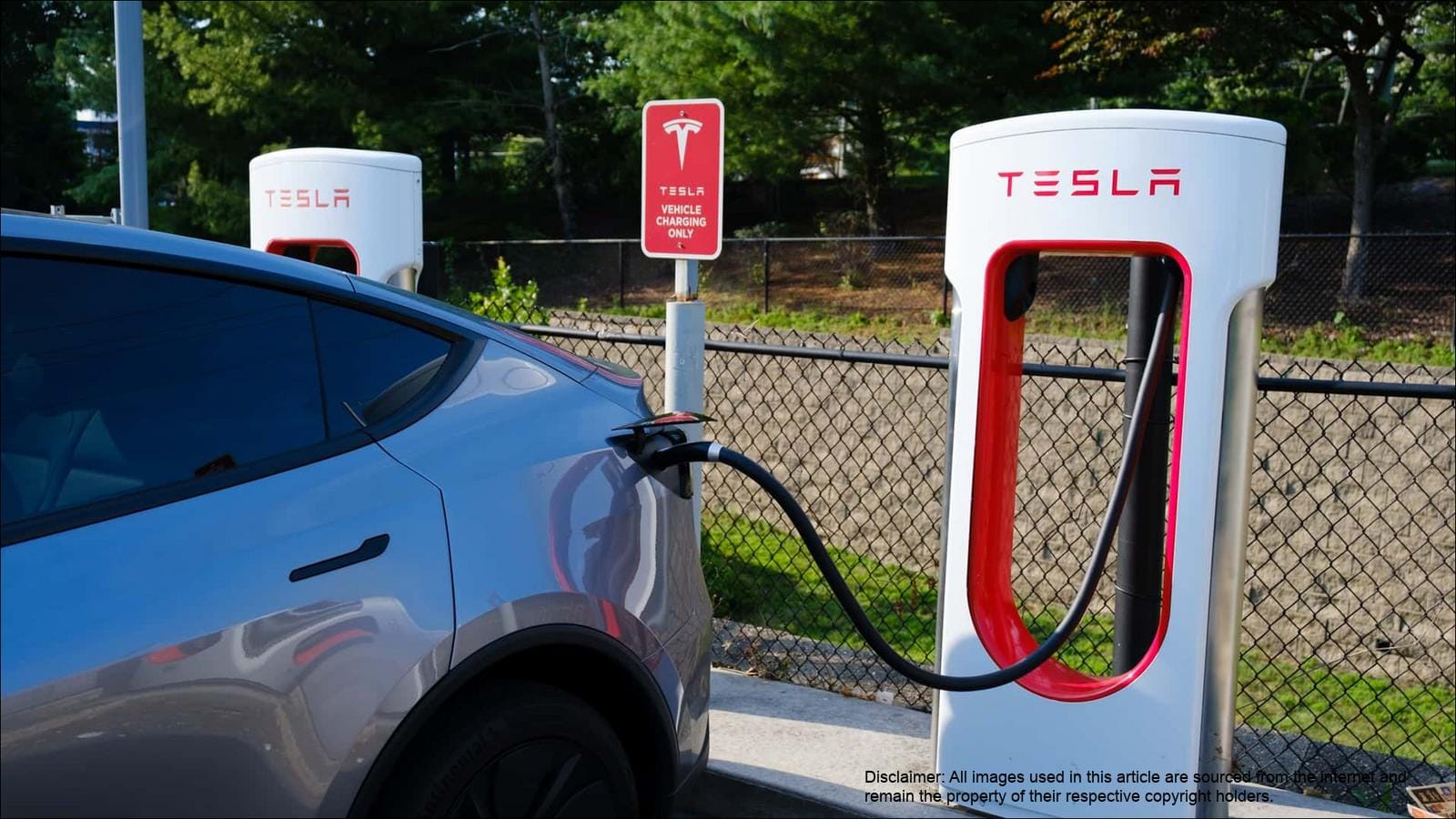
According to a recent report from Reuters, Tesla is pushing back the launch of its highly anticipated, more affordable vehicle models. Originally slated for the first half of 2025, the cheaper version of the Model Y is now expected to arrive later than initially projected. Sources familiar with Tesla’s plans indicate that we might not see these budget-friendly options, including a more affordable Model 3, until late 2025 or even early 2026. This delay marks another instance where Tesla has adjusted its timelines for delivering lower-cost vehicles, a promise they’ve been making for quite some time.
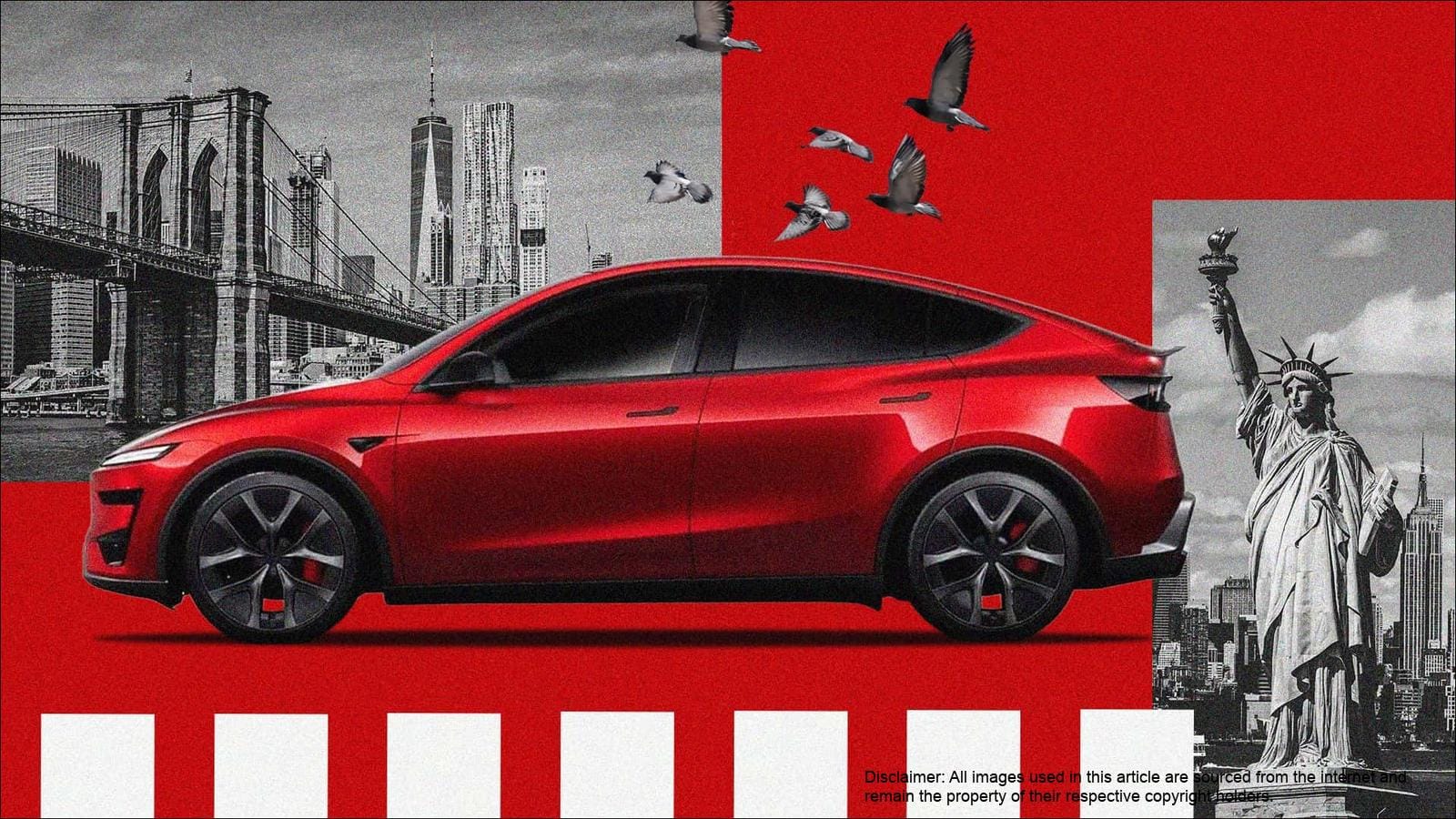
The vehicle in question, which has been circulating under various unofficial names like Model A, Model 2, and Model Q, and internally referred to as E41, is designed as a smaller, more accessible version of the Model Y. The strategy involves leveraging a fully amortized platform to produce a streamlined, cost-effective variant. This approach aims to finally provide the entry-level price point that Tesla has been promising to consumers for years. A successful launch of such a model could be a significant victory for Tesla, especially given the current market dynamics.
| Model | Original Launch Target | New Estimated Launch |
|---|---|---|
| Affordable Model Y (E41) | First Half 2025 | Late 2025 – Early 2026 |
| Affordable Model 3 | To be determined | Late 2025 – Early 2026 |

Tesla’s Current Challenges
The delay in launching affordable models comes at a time when Tesla faces several significant challenges. The brand’s reputation, once synonymous with innovation and high demand, is now experiencing headwinds. Tesla trade-ins are on the rise, while the resale value of used Teslas is decreasing. Sales figures are also under pressure, despite the availability of various incentives designed to boost demand. The Cybertruck, Tesla’s most recent major product launch in the last five years, has not met the high expectations set by the company and the market.
These challenges highlight a shift in the market perception of Tesla. Just a few years ago, any vehicle bearing the Tesla badge was highly sought after. However, the brand now faces increased competition and changing consumer preferences. The decision to prioritize projects like the Robotaxi, initially slated for 2026, over the development of a $25,000 Tesla model, has also raised questions about the company’s strategic priorities. The current plan involves producing a de-contented Model Y and a “bare-bones” version of the Model 3, but it remains uncertain whether these models will be enough to revitalize excitement around the brand.
| Challenge | Impact | Potential Mitigation |
|---|---|---|
| Increased Trade-ins | Higher inventory of used Teslas, impacting resale values. | Enhance certified pre-owned program, offer trade-in incentives for new models. |
| Decreasing Resale Values | Reduced attractiveness for potential buyers, affecting brand perception. | Implement buy-back guarantees, improve battery warranty. |
| Underperforming Cybertruck | Missed sales targets, production bottlenecks. | Streamline production, address supply chain issues. |
Future Prospects and Implications
The reasons behind the delay remain unclear, with no official explanation provided by Tesla. Potential factors could include overly ambitious timelines, uncertainties related to tariffs, or even distractions stemming from Elon Musk’s involvement in other ventures, such as his role in government efficiency initiatives. Regardless of the specific cause, the delay in launching affordable Tesla models has significant implications.
Firstly, it’s a setback for Tesla and its investors, as the introduction of lower-cost vehicles is seen as a crucial step in expanding the company’s market share and reaching a broader customer base. Secondly, it’s a disappointment for consumers, particularly in the United States, who are eagerly awaiting more affordable electric vehicle options from a company known for producing consistently high-quality mass-market EVs. The further postponement of these models could impact the adoption rate of electric vehicles and potentially benefit competing manufacturers who are already offering more budget-friendly alternatives.
| Factor | Potential Impact | Possible Outcome |
|---|---|---|
| Timeline Ambition | Overestimation of production capabilities and resource allocation. | Further delays and potential compromises in vehicle features. |
| Tariff Uncertainty | Increased production costs and supply chain disruptions. | Higher vehicle prices and reduced profit margins. |
| Musk’s Other Ventures | Distraction from Tesla’s core objectives and operational priorities. | Slower decision-making and reduced focus on product development. |