Table of Contents
Tesla Door Handles Under Scrutiny: A Safety Concern?
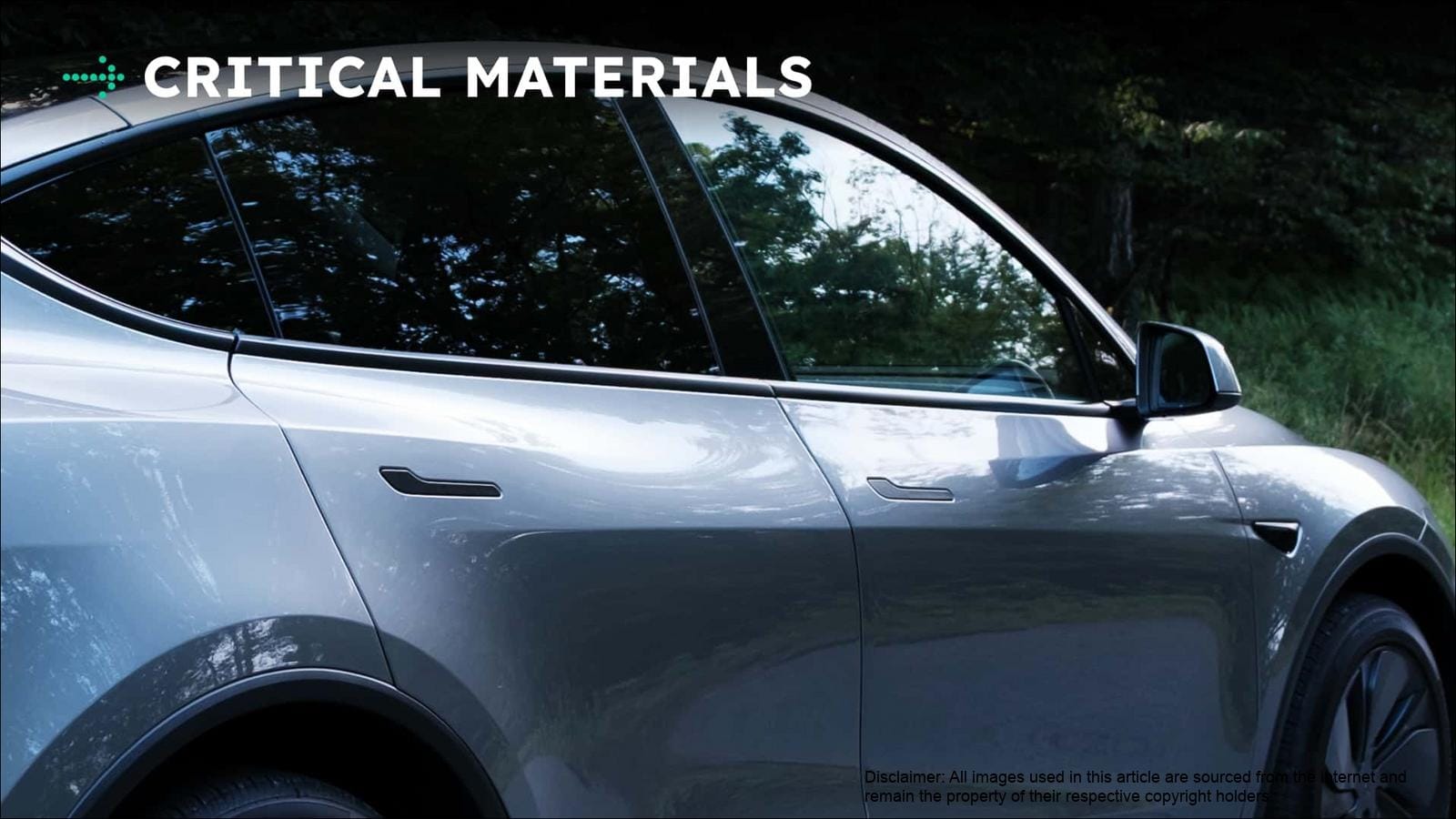
Tesla’s innovative approach to vehicle design has often pushed the boundaries of automotive engineering, but sometimes, these innovations face regulatory scrutiny. The latest point of contention? The design and functionality of Tesla’s electronic door handles. Initially conceived to enhance aerodynamic efficiency and reduce manufacturing costs, these handles are now under investigation by the U.S. National Highway Traffic Safety Administration (NHTSA) due to potential safety concerns. This issue isn’t isolated; similar concerns have been raised in China, suggesting a global re-evaluation of this design trend. The NHTSA investigation focuses on approximately 174,000 Tesla Model Y vehicles from the 2021 model year, prompted by reports of door handles becoming inoperative. These reports detail scenarios where occupants, including parents needing to assist children, were unable to open the doors. Such failures raise significant safety implications, particularly in emergency situations where quick egress is crucial. This probe could potentially lead to a Model Y recall, marking a critical moment for Tesla and potentially influencing future automotive design standards.
| Concern | Details |
|---|---|
| Safety Risk | Inability to open doors, especially in emergencies. |
| Affected Models | 2021 Tesla Model Y (approx. 174,000 vehicles). |
| Regulatory Action | NHTSA investigation, potential recall. |
Volkswagen’s Retro Design Shift: Embracing Heritage for EV Success
Volkswagen is strategically pivoting away from radical EV designs that prioritized futuristic aesthetics over brand identity. This shift involves embracing design elements from their heritage, aiming to create EVs that resonate more strongly with consumers. The company acknowledges that initial EV designs, spearheaded by former CEO Herbert Diess, leaned heavily into a “Silicon Valley” approach, which, while innovative, alienated some traditional Volkswagen enthusiasts. The new direction, championed by current CEO Thomas Schäfer and design chief Andreas Mindt, focuses on making EVs more “likable” by incorporating familiar design cues. The upcoming VW ID. Polo exemplifies this approach, featuring a slimmer profile, stronger lines, exposed wheel arches, physical buttons, and “proper” door handles, all reminiscent of classic Volkswagen models. This strategic realignment is crucial for Volkswagen to regain its footing in the competitive EV market, especially with increasing competition from Chinese automakers. By blending modern technology with established design principles, Volkswagen aims to produce EVs that feel authentically Volkswagen, appealing to a broader audience and reinforcing brand loyalty.
| Design Element | Description | Rationale |
|---|---|---|
| Slimmer Profile | More streamlined and aerodynamic. | Improves efficiency and aesthetics. |
| Physical Buttons | Tactile controls for essential functions. | Enhances user experience and reduces driver distraction. |
| “Proper” Door Handles | Traditional, mechanically operated door handles. | Increases reliability and ease of use. |
The Economics of Gigacasting Repairs: A Surprising Twist
Gigacasting, pioneered by Tesla, involves casting large sections of a vehicle’s structure as a single piece, reducing the need for multiple welded or riveted components. Initially, concerns arose about the repair costs associated with this method, as even minor damage could theoretically require replacing the entire gigacasted section. However, recent research from Thatcham Research indicates that gigacasting can actually lead to cost savings in certain repair scenarios. The study focused on rear-end impacts in EVs, particularly the Tesla Model Y, which has traditionally faced high insurance costs due to expensive repairs. The findings revealed that both full and partial component replacement procedures for gigacastings were more economical than repairing conventional vehicle structures. This is attributed to the reduced labor and complexity involved in replacing a single, large component compared to the intricate process of repairing multiple smaller parts. As gigacasting technology continues to evolve, it presents a compelling case for its economic viability in automotive manufacturing, challenging previous assumptions about repair costs and potentially reshaping insurance premiums for vehicles utilizing this innovative technique.
| Aspect | Conventional Method | Gigacasting Method |
|---|---|---|
| Repair Complexity | High (multiple parts, welding, riveting) | Lower (single component replacement) |
| Labor Costs | Higher | Lower |
| Overall Repair Costs | Potentially Higher | Potentially Lower |