Table of Contents
Shanghai Auto Show: A Missed Opportunity for Tesla?
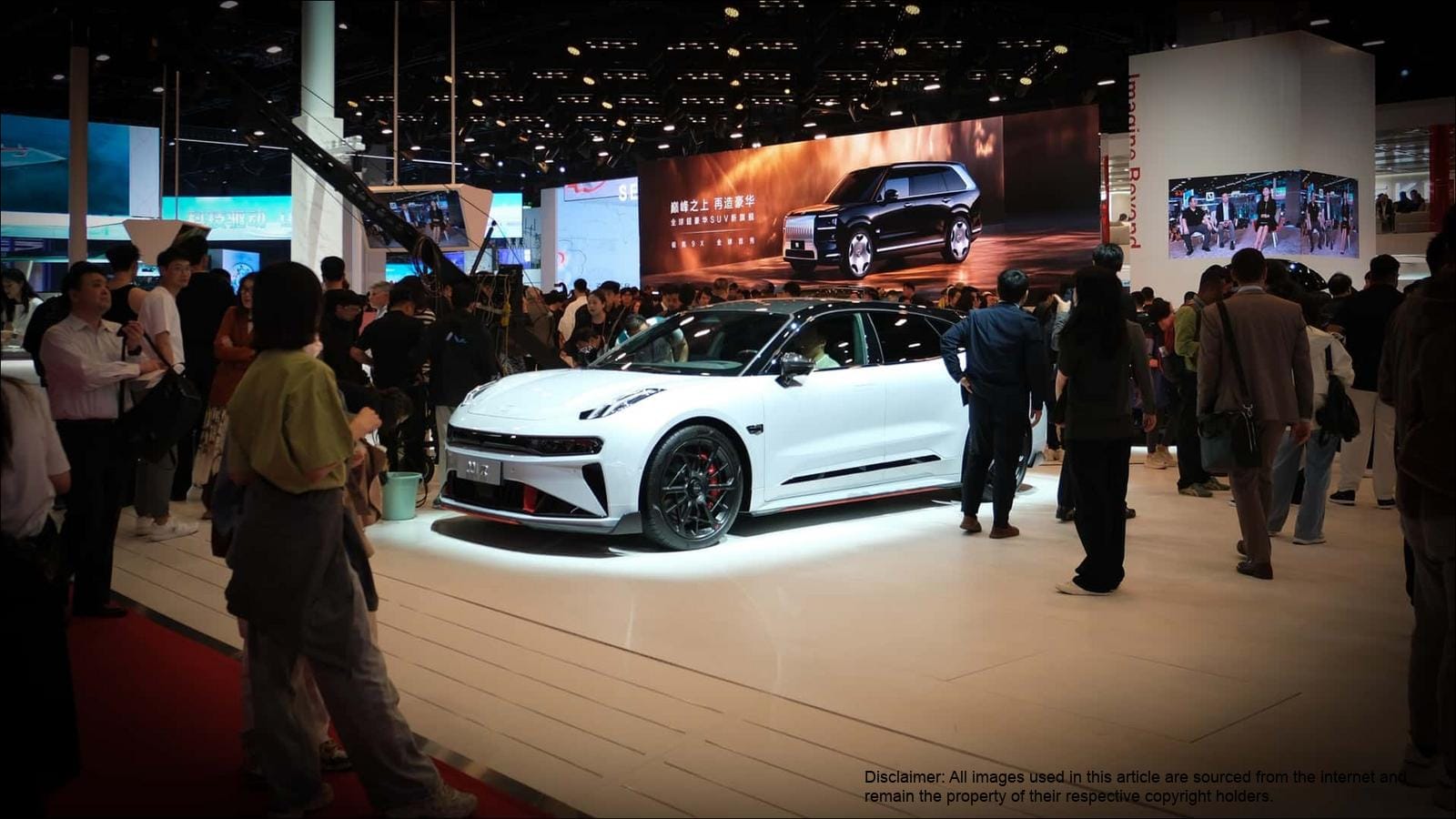
The Shanghai Auto Show, one of the largest automotive expositions globally, is currently underway, drawing nearly a million attendees and featuring over a thousand companies showcasing their latest vehicles and technologies. This year, however, one prominent name is conspicuously absent: Tesla. For the second consecutive time, the world’s leading electric vehicle manufacturer has decided to skip the event, raising questions about its strategy in the world’s largest EV market. This absence is particularly notable as domestic Chinese brands and Western giants like General Motors and Volkswagen vie for dominance, presenting their newest innovations to a massive audience.
Tu Le, founder and director of Sino Auto Insights, suggests that Tesla’s absence might be a strategic misstep. By not participating, Tesla potentially misses an opportunity to bolster brand awareness and fend off increasing competition from local Chinese EV manufacturers. However, Le also points out that a strong showing would necessitate a compelling lineup of new products, which Tesla currently lacks. “It’s not too surprising,” Le stated. “They have nothing to show, and it would’ve been very difficult for them to stand out in any significant way. Tesla’s decline in China is a product (or lack thereof) issue.”
Tesla’s China Strategy: Adapting to the Evolving EV Landscape
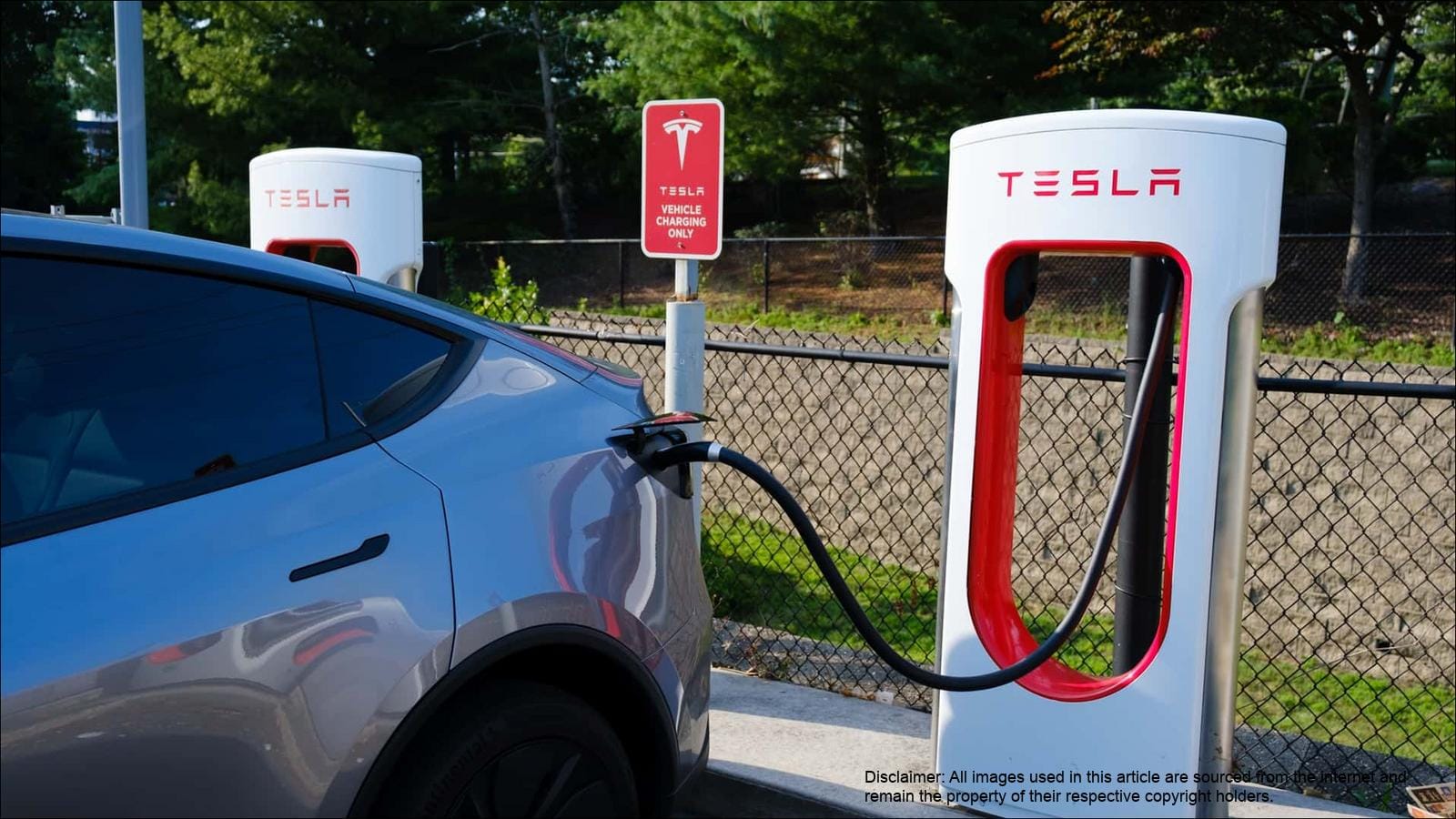
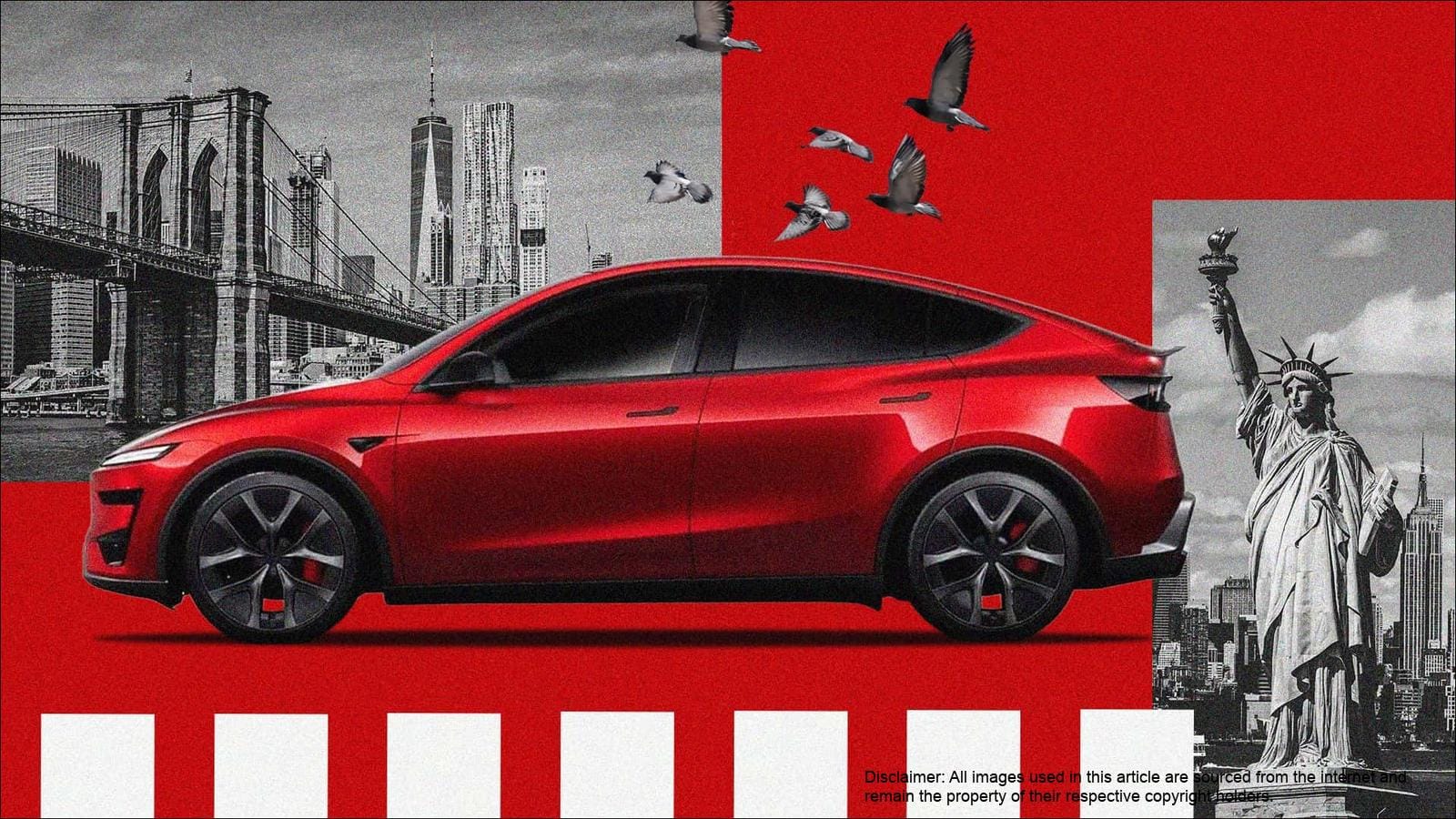
Tesla’s approach to auto shows has been notably inconsistent. While the company showcased its Cybercab prototype at the LA Auto Show and the updated Highland Model 3 at IAA Munich in 2023, it opted out of the Shanghai Auto Show that same year, despite operating a factory nearby and China being its second-largest market. The 2023 Shanghai show was particularly significant as it marked the return of major international auto events to China post-COVID-19 lockdowns and underscored the rapid advancements of the local EV market. The decision to launch the updated “Juniper” Model Y in China signals the country’s continued importance to Tesla, but increasing competition is challenging Tesla’s once-dominant position.
Tesla undeniably played a crucial role in popularizing EVs in China, with CEO Elon Musk and his company making electric vehicles “cool.” However, this success has spurred a wave of domestic competition, with many Chinese EVs adopting Tesla-like features, including advanced manufacturing techniques, connected software, and user interfaces centered around large screens. While Tesla maintains a strong presence and robust sales in China, competitors are offering similar features and more, often at more competitive prices. For instance, the Onvo L60 from Nio significantly undercuts the Model 3 and Model Y in price, while other Nio models feature battery-swapping technology. BYD, which surpassed Tesla in EV production last year, has introduced models with Megawatt charging, providing approximately 250 miles of range in just five minutes.

Autonomous Driving Challenges and Market Dynamics
As Tesla bets on the future of autonomous driving, recent events in China may present significant hurdles. A tragic accident involving a Xiaomi SU7, in which three university students died after the vehicle crashed shortly after disengaging its automated driving assistance, has put the Chinese auto sector on high alert. This incident, frequently discussed at the Shanghai Auto Show, has prompted the Chinese government to tighten regulations on the marketing of autonomous driving systems, ensuring that consumers do not overestimate their capabilities. This crackdown coincides with Elon Musk’s ongoing efforts to gain regulatory approval for Tesla’s Full Self-Driving system in China.
The initial deliveries of the “Juniper” Model Y in early January were met with a non-price price cut in the form of five years’ interest-free financing, signaling potential challenges for Tesla in maintaining its market position. With increased regulatory scrutiny on autonomous driving and rising competition from local EV manufacturers, Tesla’s future in China may depend on the inherent merits of its vehicles. However, potential customers were unable to experience these vehicles firsthand at the Shanghai Auto Show, potentially undermining Tesla’s competitive edge in this critical market. As Chinese EV buyers explore alternatives, Tesla faces the challenge of reaffirming its value proposition in a rapidly evolving landscape.