- Tesla’s untouched model of “Full Self-Driving” can again out of a place, entire a travel and search for parking at the alternative finish.
- The automated parking options aren’t fleshed out, despite the fact that, and in a single video the automobile makes an attempt to terrain on a sidewalk ramp that resembles a driveway.
- FSD nonetheless makes plethora errors, so that you will have to all the time keep watch on era the use of it.
We’ve been protecting Tesla Complete Self-Using because it was once introduced in October 2020. Within the 4 years since we’ve viewable it each running completely and failing, however true complete self-driving and not using a protection motive force simply appeared detached. The untouched model of FSD adjustments that, despite the fact that, and it after all makes true driverless automobiles appear imaginable.
There have all the time been big claims made by Elon Musk about FSD and its functions, however the fee at which it was once progressing made a few of these statements appear exaggerated. What made us query FSD was once Tesla’s choice to construct the gadget most effective paintings on a combination of cameras and neural networks, ditching alternative sorts of sensors and radar.
FSD model 13.2 is a weighty growth over model 12. It now not most effective makes the self sustaining riding higher and smoother, however it additionally provides fresh options. You’ll now permit FSD era the automobile is in Landscape, and it is going to opposite out of the parking spot for you and start its travel in your eager vacation spot the place it is going to discover a appropriate spot to terrain itself.
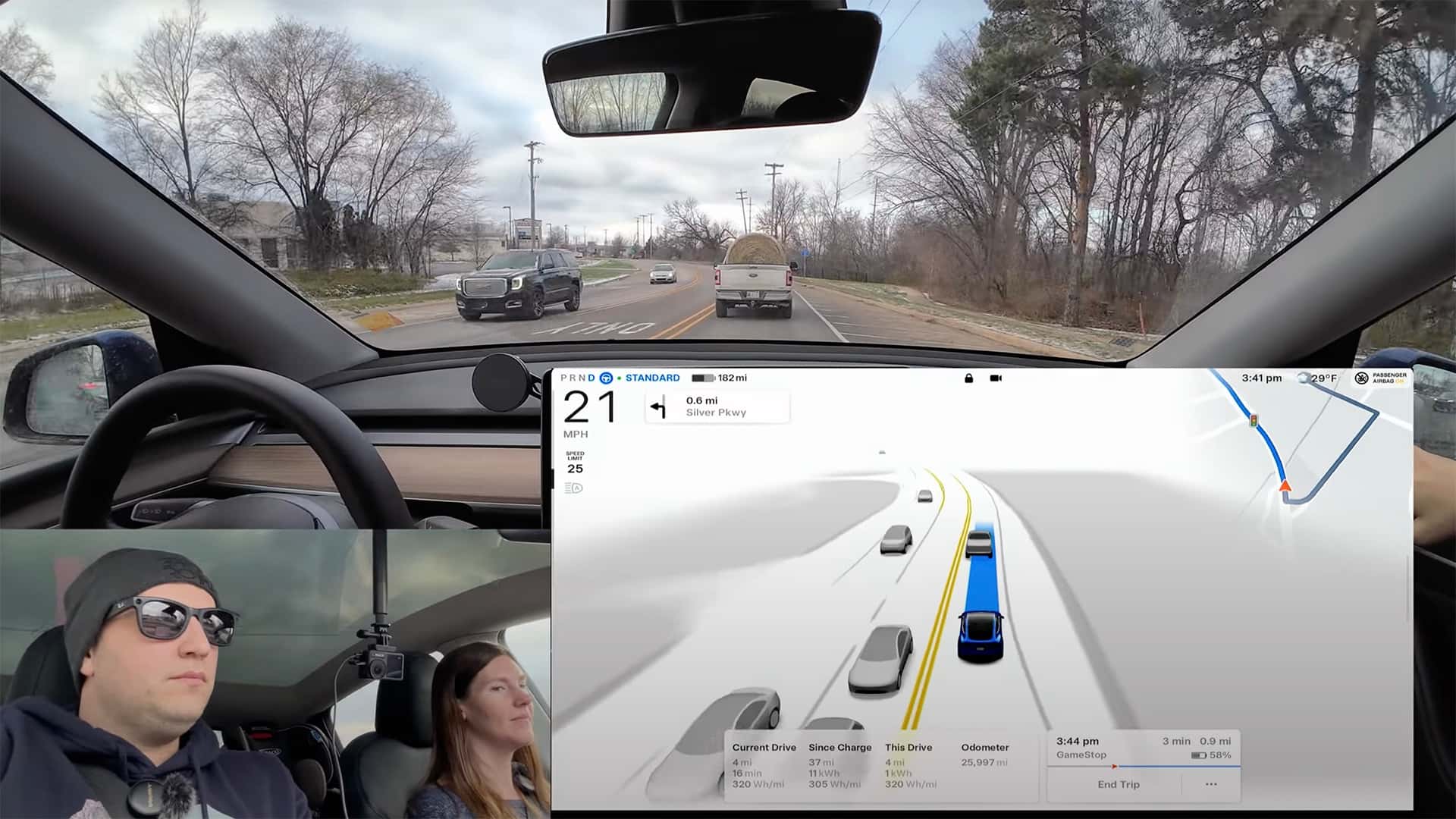
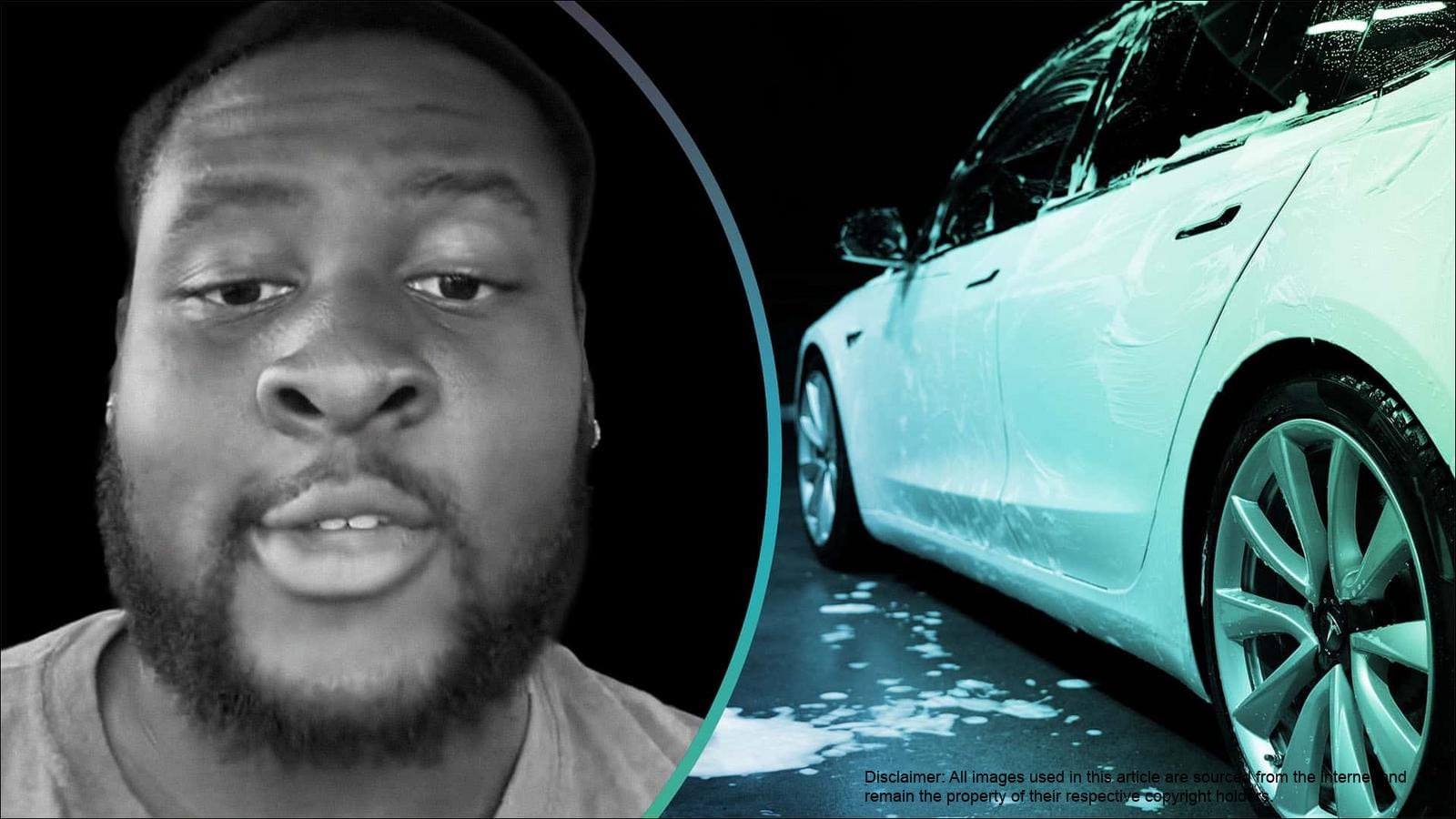
Grimy Tesla drove round in his Style Y working FSD V13.2, and it labored smartly at the riding portion. However at its vacation spot, the car tried to terrain on a sidewalk ramp. It seemed weighty plethora for a automobile to suit, in its protection, despite the fact that it’s juiceless to consider a human making that mistake. Alternatively, that was once probably the most only a few occasions when the FSD disengaged or the motive force needed to interfere. Nonetheless, it highlights a weighty defect for computerized parking: Figuring out the place the automobile will have compatibility is something, however understanding the place it may legally terrain is a completely other factor. It can be an extended era earlier than a Tesla can kind out what a loading zone is, what allow parking way, what lets in it has and what spots are time-restricted.
It additionally did not discover a right kind parking spot later the sidewalk status, however its skill to navigate the parking batch remains to be remarkable. It even needed to squeeze via a good hole between a parked automobile and a construction, and it made it glance simple. Don’t put out of your mind this can be a automobile and not using a ultrasonic sensors to gauge distance, which most effective makes its efficiency extra remarkable. Even though you’ll see why many automakers do usefulness them.
One of the most weighty adjustments with V13.2 is that it makes use of higher-resolution feeds from the outside cameras, which additionally run at a better refresh fee. This permits the AI fashion that underpins FSD to run quicker, helped via the new Cortex supercomputer at Giga Texas, which is 5 occasions faster at computing information in comparison to the used supercomputer known as Dojo.
Any other video the place Grimy Tesla assessments FSD V13.2 highlights simply how clean it’s with guidance and brake software. Early variations would noticed the wheel as they made turns, which didn’t instill self assurance. However now it sort of feels to be getting near to indistinguishable a human motive force’s degree of smoothness. Observe, then again, that early evaluations of FSD methods have a tendency to be extra certain, as Tesla has been recognized to prioritize information get right of entry to to these with friendlier approaches to the gadget.
This type of weighty growth in FSD’s efficiency makes Tesla’s robotaxi plans appear extra believable. The producer intends to start manufacturing of its Cybercab someday in 2026 or 2027. I used to be in doubt once I initially heard that timeline, and I’m nonetheless undecided now. However now that FSD has the power to begin and finish drives by itself phrases—even with important mistakes—that life feels nearer than ever.