Table of Contents
The Evolution of the Toyota bZ
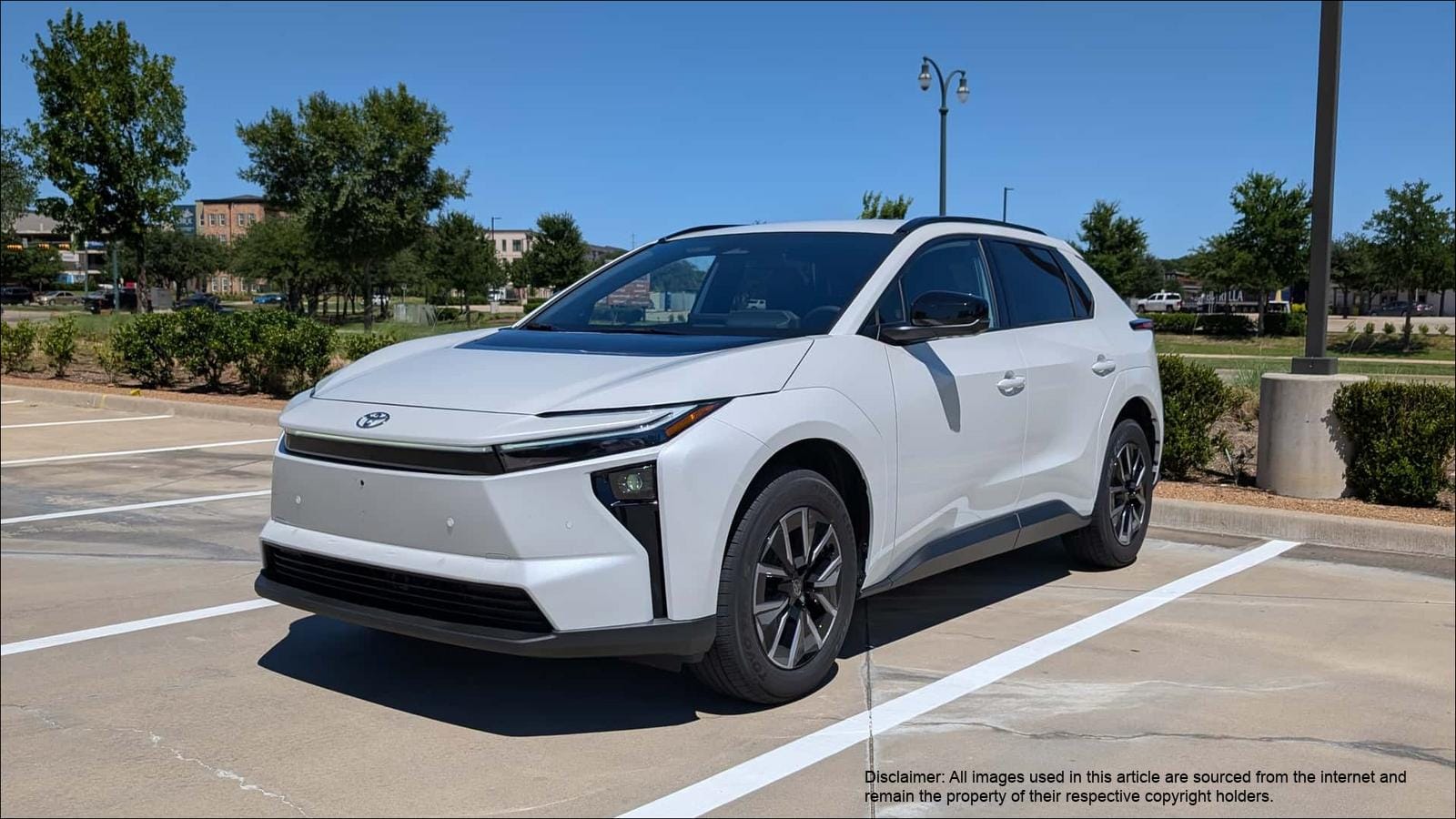
The Toyota bZ – formerly the bZ4X – has undergone a significant transformation. Initially conceived as a basic, almost utilitarian electric vehicle, it has evolved into a compelling option for personal ownership. My recent experience driving the bZ in Texas revealed improvements across the board, including enhanced range, a broader feature set, and the integration of a Tesla-style charging port directly from the factory. This marks a substantial step forward for Toyota in the competitive electric vehicle market. The enhancements reflect Toyota’s commitment to refining its EV offerings based on user feedback and market demands.

The redesigned Toyota bZ boasts improved aesthetics and functionality.
Addressing the Charging Challenge
Despite these advancements, the bZ maintains its predecessor’s maximum charging speed of 150 kilowatts. This limitation has been a significant pain point for bZ4X owners, particularly those in professional driving roles. For instance, taxi drivers in urban centers like New York, who rely on their vehicles throughout the day, can find that the 45-minute to one-hour charging times significantly impact their earning potential. Toyota’s decision not to implement faster charging capabilities, like the 800-volt system found in competitors such as Hyundai, Kia, and General Motors, is primarily driven by production costs. According to Daisuke Ido, chief engineer of bZ Woodland and C-HR, upgrading to an 800-volt system would substantially increase the vehicle’s price. The bZ operates on a 400-volt electrical architecture, inherently limiting its charging speed capabilities. While Tesla’s Model Y also uses a 400-volt system, optimized systems allow for faster charging.
| EV Model | Voltage Architecture | Max Charging Speed (kW) |
|---|---|---|
| Toyota bZ | 400V | 150 kW |
| Hyundai Ioniq 5 | 800V | 220 kW |
| Tesla Model Y | 400V | 250 kW |
Comparison of charging speeds and voltage architectures.
The Future of the bZ: NACS and Beyond
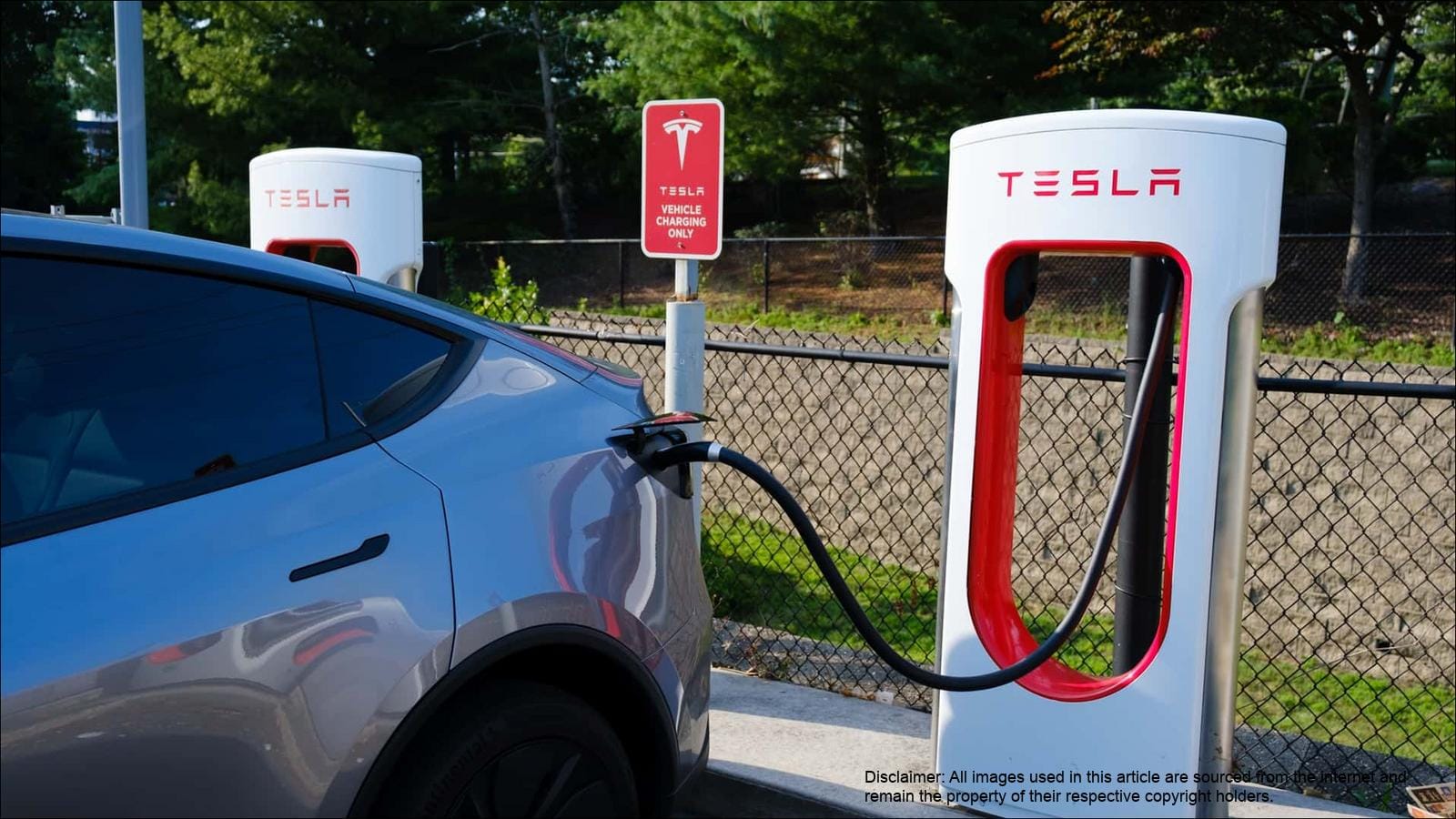
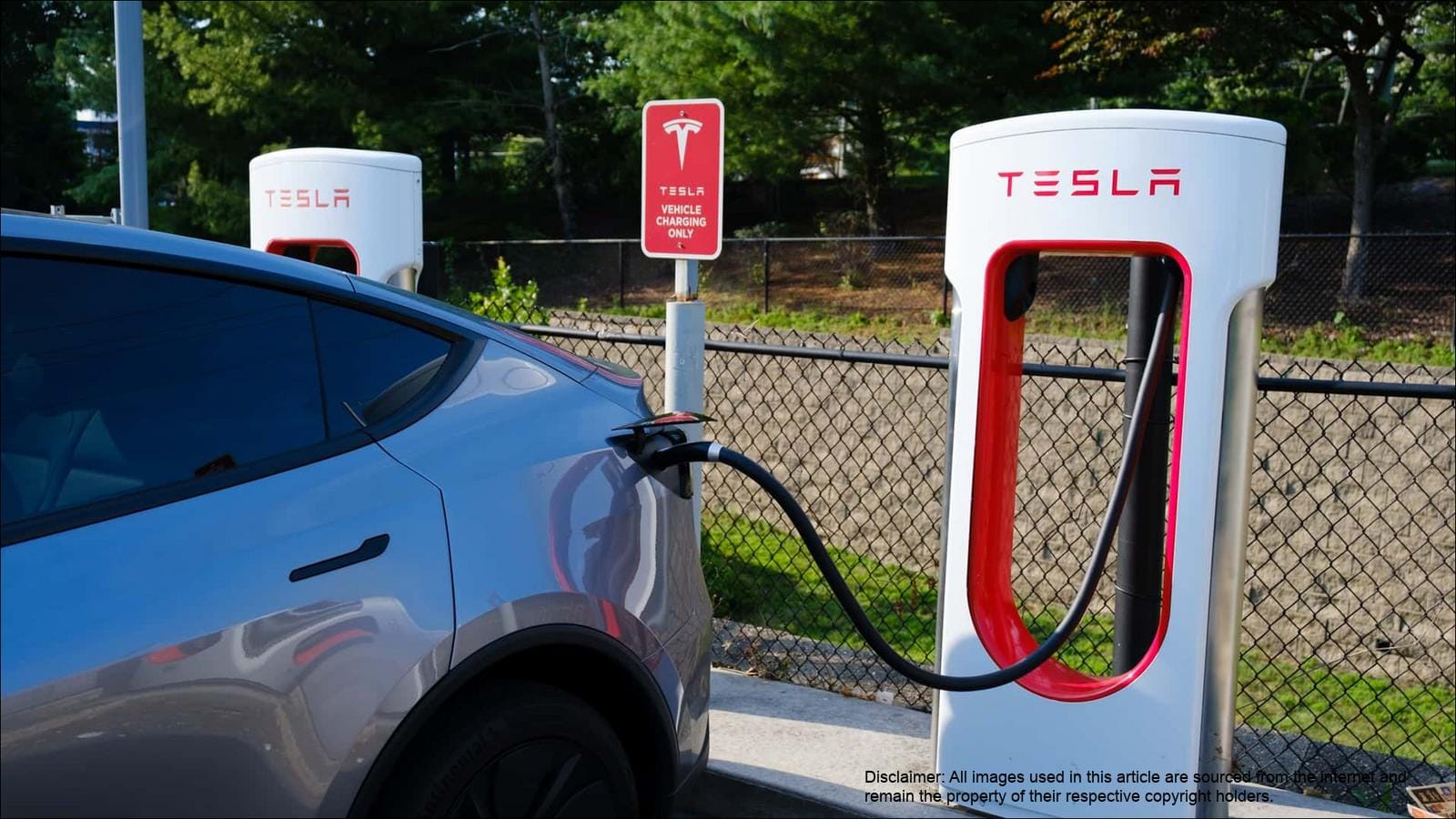
Looking ahead, Toyota is set to introduce several enhancements to the bZ. The 2026 model will feature battery preconditioning to optimize battery temperature for faster charging, and it will come standard with the North American Charging Standard (NACS) plug. This will provide bZ owners with seamless access to Tesla’s extensive Supercharger network. Toyota has confirmed that its vehicles will support plug-and-charge functionality at Superchargers, streamlining the charging process. Furthermore, the front-wheel-drive XSE Plus trim now offers a range of up to 314 miles, and Toyota’s app-based route planning will assist drivers in locating charging stations. These upgrades, combined with a more refined interior, position the bZ as a more competitive and appealing electric vehicle. While it may not lead the market in charging speed, the overall improvements make it a noteworthy contender.

The NACS adapter will significantly improve charging convenience for bZ owners.