• 13850 CENTRAL AVE, CHINO CA
  • Help@evcube.net
  • Help@evcube.net

$0.00 0

Cart

No products in the cart.
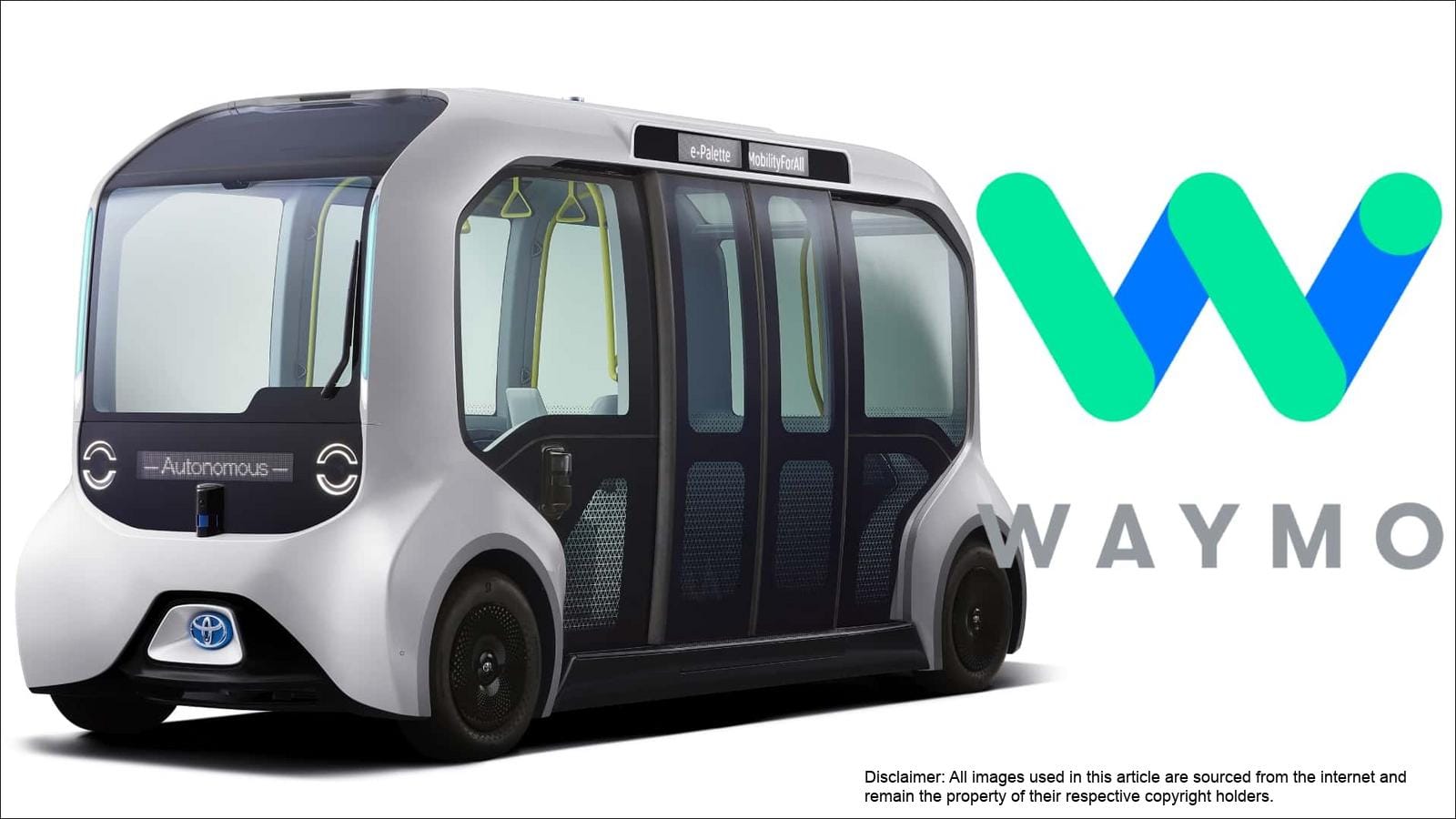
Toyota & Waymo Partner for Self-Driving Cars


Toyota and Waymo: A Potential Partnership

In a move that could reshape the future of driving, Toyota Motor Corporation and Waymo, a leader in autonomous vehicle technology, have announced preliminary discussions to collaborate on a next-generation autonomous vehicle platform. This potential partnership signals a significant step towards integrating self-driving technology into personally owned vehicles. The collaboration aims to combine Toyota’s extensive automotive engineering expertise with Waymo’s cutting-edge autonomous driving systems. Chris Bonelli, a Waymo spokesperson, emphasized the shared vision of both companies: to enhance road safety and improve mobility for everyone. While the specifics are still under wraps, the overarching goal is to explore how Waymo’s autonomous technology can be leveraged to elevate the capabilities of Toyota’s future consumer vehicles. This partnership could potentially bring advanced driver-assistance systems (ADAS) and even full self-driving capabilities to Toyota’s lineup, marking a new era for the automaker and the broader automotive industry. The move aligns with the growing trend of automakers collaborating with technology companies to accelerate the development and deployment of autonomous driving technologies.

Area of ExpertiseToyota’s StrengthsWaymo’s Strengths
Automotive EngineeringExtensive experience in vehicle design, manufacturing, and safety systems.Advanced AI algorithms and sensor technology for autonomous driving.
Autonomous Driving TechnologyExperience with automated driver assistance systems and autonomous concept vehicles like the e-Palette.Millions of miles logged in real-world autonomous driving scenarios, leading to a mature and reliable self-driving system.


Waymo’s Expansion Strategy and Existing Partnerships

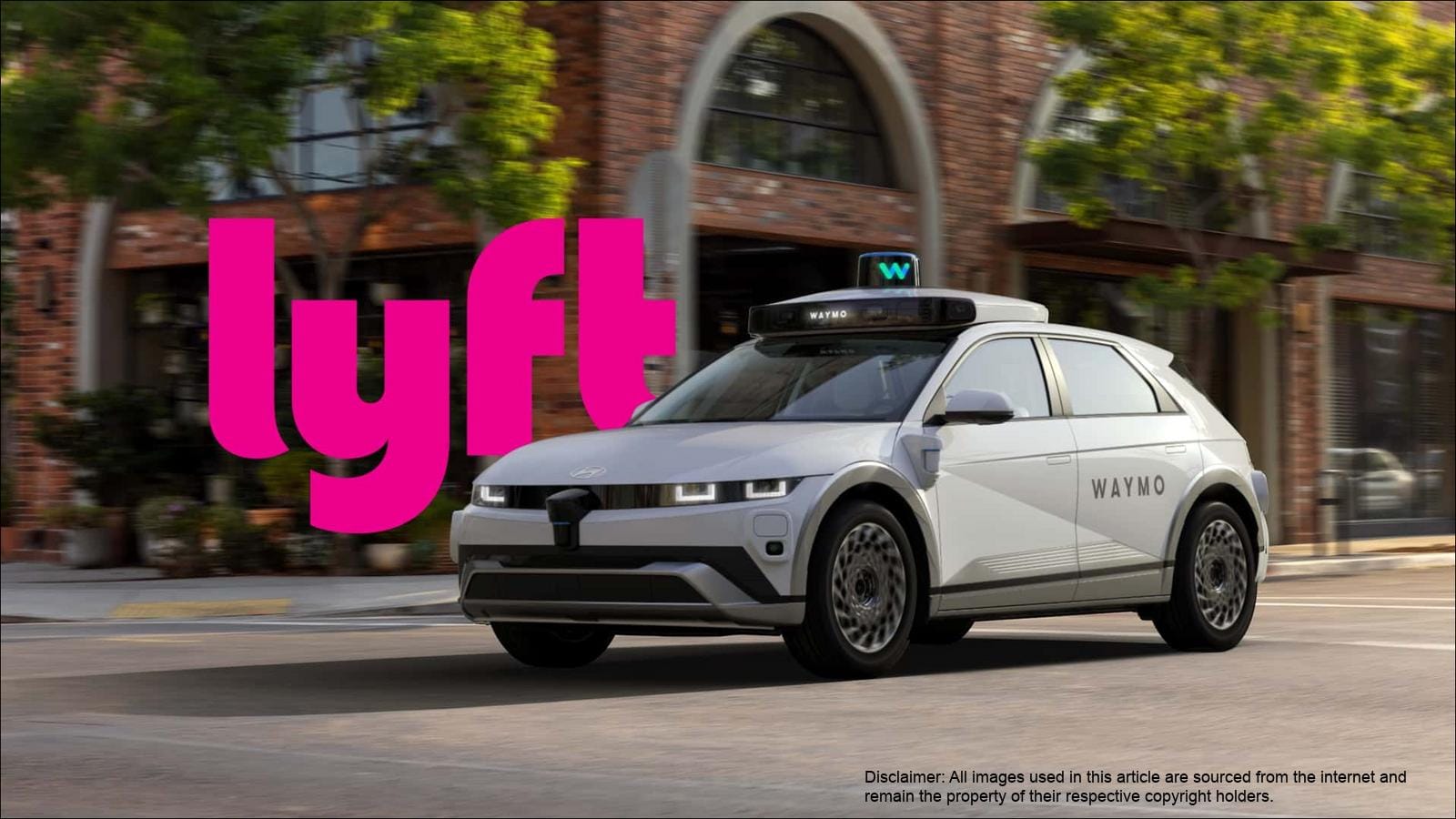
Waymo’s potential collaboration with Toyota is not an isolated event but rather a part of a broader strategy to expand its autonomous vehicle technology across different platforms and markets. Waymo has already established partnerships with other major automakers, including Hyundai and Zeekr (a brand under the Geely Group). These collaborations involve integrating Waymo’s self-driving technology into various vehicle types. For example, Waymo is working with Hyundai to deploy driverless Ioniq 5 vehicles in its ride-hailing fleets. Similarly, the partnership with Zeekr has led to the development of a purpose-built vehicle designed to transport larger groups of people. These partnerships demonstrate Waymo’s commitment to building an “AV industry ecosystem,” as stated by Chris Bonelli. By collaborating with multiple vehicle manufacturers, Waymo aims to scale its technology and make it accessible to a wider audience. The company’s focus remains on developing a “generalizable driver” platform that can be adapted for ride-hailing, commercial purposes, and, potentially, personally owned cars. Waymo’s current operations include autonomous taxi services in cities like San Francisco, Phoenix, and Los Angeles, with plans to expand to Austin and other locations. These real-world deployments provide valuable data and experience that contribute to the ongoing refinement of Waymo’s autonomous driving system.

PartnerVehicle TypeDeploymentStatus
HyundaiIoniq 5Waymo One taxi serviceIn progress
Zeekr (Geely Group)Purpose-built vehicleTransportation of larger groupsIn progress
ToyotaNext-generation autonomous vehicle platformPotentially personally owned vehiclesPreliminary agreement


The Future of Autonomous Vehicles: What This Means for Consumers

The potential partnership between Toyota and Waymo raises exciting possibilities for the future of personally owned vehicles. While the exact details remain to be seen, the collaboration could lead to the integration of advanced autonomous driving features into Toyota’s consumer cars. This could range from enhanced driver-assistance systems (ADAS) that provide features like automatic emergency braking and lane-keeping assist to fully autonomous driving capabilities that allow the vehicle to handle all aspects of driving in certain conditions. For consumers, this means potentially safer, more convenient, and more efficient transportation options. Autonomous driving technology has the potential to reduce traffic accidents caused by human error, free up drivers’ time for other activities, and improve mobility for people who are unable to drive themselves. However, the widespread adoption of autonomous vehicles also raises important questions about liability, regulation, and the impact on employment. As autonomous technology continues to evolve, it will be crucial for automakers, technology companies, and policymakers to work together to address these challenges and ensure that the benefits of self-driving cars are realized safely and equitably. Toyota’s previous experience with autonomous concepts, such as the e-Palette used at the Tokyo Olympic and Paralympic Games, demonstrates the company’s interest in exploring the potential of self-driving technology. By partnering with Waymo, Toyota can leverage Waymo’s expertise and accelerate the development of autonomous vehicles for the consumer market. The collaboration represents a significant step towards a future where autonomous driving is a mainstream reality, offering consumers new levels of freedom and convenience on the road.


Frequently Asked Questions


What is the main goal of the Toyota-Waymo partnership?

The primary objective is to develop a next-generation autonomous vehicle platform. This includes exploring how Waymo’s self-driving technology can be integrated into Toyota’s personally owned vehicles to enhance safety and mobility.


How does this partnership fit into Waymo’s overall strategy?

This collaboration is part of Waymo’s broader strategy to build an “AV industry ecosystem.” By partnering with multiple automakers like Toyota, Hyundai, and Zeekr, Waymo aims to scale its technology and make it accessible across various vehicle types and markets.


What are the potential benefits for consumers?

Consumers could benefit from safer, more convenient, and more efficient transportation options. Autonomous driving technology has the potential to reduce accidents, free up drivers’ time, and improve mobility for those unable to drive.


Has Toyota worked with autonomous vehicles before?

Yes, Toyota has experience with automated driver assistance systems and has also experimented with fully autonomous concepts. For example, they used the autonomous e-Palette concept vehicles at the Tokyo Olympic and Paralympic Games to shuttle athletes.

    Comments are closed

    Search

    Follow us

    Have any questions?

    • help@evcube.net
    • +1 (510)-878-5951
    level 2 ev charger charging at home,tesla charger for home charging

    Safe

    level 2 ev charger charging at home,tesla charger for home charging

    Speed

    level 2 ev charger charging at home,tesla charger for home charging

    Stylish

    level 2 ev charger charging at home,tesla charger for home charging

    Save

    level 2 ev charger charging at home,tesla charger for home charging

    Smart

    level 2 ev charger charging at home,tesla charger for home charging

    Suitablility

    Tesla Redesigns Doors for Emergency Safety

    Table of Contents 1. Introduction: Tesla's Door Handle Redesign 2. NHTSA Investigation and Safety Concerns 3. Details of the New Door Release Design 4. Global Regulatory Landscape 5. FAQ Introduction:…
    Read more

    Lyft Teams With Waymo to Catch Uber

    Table of Contents 1. Lyft's Pursuit of Autonomous Vehicles 2. The Waymo-Lyft Collaboration: A Game Changer? 3. Uber's Autonomous Driving Initiatives 4. Nashville as the Launchpad for Robotaxis 5. FAQ…
    Read more

    Hyundai’s 600-Mile EREV: 2027 Game Changer

    Table of Contents 1. Hyundai's Electrified Future: The 2027 EREV Launch 2. Understanding Extended Range Electric Vehicles (EREVs) 3. Hyundai's Unique EREV Strategy and Genesis Expansion 4. EREVs in the…
    Read more

    Tesla Redesigns Doors for Emergency Safety

    Table of Contents 1. Introduction: Tesla's Door Dilemma 2. The Proposed Design Change: A Unified Approach 3. NHTSA Investigation and Regulatory Scrutiny 4. Global Impact and Future Solutions 5. FAQ…
    Read more

    BMW: Gas Engines Will Never Die

    Table of Contents 1. BMW's Dual-Track Strategy: EVs and Combustion Engines 2. Market Dynamics Driving BMW’s Decision 3. The Future of BMW Platforms: A Diverse Approach 4. FAQ 1. BMW's…
    Read more

    Tesla FSD vs NYC Chaos: Robotaxi Test

    Table of Contents 1. Introduction: The Tesla Robotaxi Challenge in NYC 2. Navigating NYC with Tesla's Full Self-Driving 3. Tesla's Vision-Based Autonomy vs. the Competition 4. FSD Beyond NYC: Suburban…
    Read more
    evcubnb level 2ev charer,tesla charger,home charger,50a charger,nema 14-50charger

    Any Charging Problem?
    Let Us Know 24/7

    • 13850 CENTRAL AVE, CHINO CA
    • help@evcube.net
    ©2022 EVCUBE - All rights reserved