evcubnb level 2 ev charger
$0.00 0

Cart

No products in the cart.

Trump Targets EV Rules, Tesla’s Robotaxi Flip, Afeela Feud


Trump’s Administration and EV Fuel Economy Rules

The escalating costs of vehicles are a common concern, and the political arena is taking notice. The Trump administration and its allies have voiced concerns over car prices, often directing their focus toward electric vehicles (EVs). Now, the U.S. Transportation Department, under the Trump administration, is scrutinizing fuel economy regulations that the Biden administration previously established to promote zero-emission vehicles. This situation has significant implications for the future of EV adoption and the automotive industry’s direction.

At the heart of the matter is the Corporate Average Fuel Economy (CAFE) Program. This program mandates that automakers meet specific minimum average fuel economy standards across their entire fleet of vehicles. The Biden administration aimed to tighten these standards, anticipating that by the mid-2030s, car manufacturers would need to invest heavily in electrification to comply. One proposed target was an average of 50.4 miles per gallon for passenger vehicles and light trucks by 2031. Achieving this would necessitate either a substantial increase in hybrid vehicle production or a significant shift towards EVs, which, using no fuel, greatly reduce the average fuel consumption across a manufacturer’s fleet.

However, the Trump administration, known for its pro-fossil fuel stance, is now challenging the inclusion of EVs in CAFE standards. According to Reuters, Transportation Secretary Sean Duffy stated that the National Highway Traffic Safety Administration submitted an interpretive rule titled “Resetting the Corporate Average Fuel Economy Program” for White House review. Duffy claimed that the previous administration had “illegally used CAFE standards as a backdoor electric vehicle mandate—driving the price of cars up.” Removing EVs from these calculations could lead to lower overall fuel economy requirements.

This initiative raises several critical issues. Firstly, EV technology and battery production are becoming more cost-effective over time. Secondly, there is no guarantee that reducing fuel efficiency standards will actually lower car prices for consumers. The original targets aimed to cut gasoline consumption by 64 billion gallons and reduce emissions by 659 million metric tons. Without these regulations, automakers may feel less pressure to invest in EV production, a scenario that some manufacturers might welcome.


Tesla’s Robotaxi Pivot: From Dream to Reality

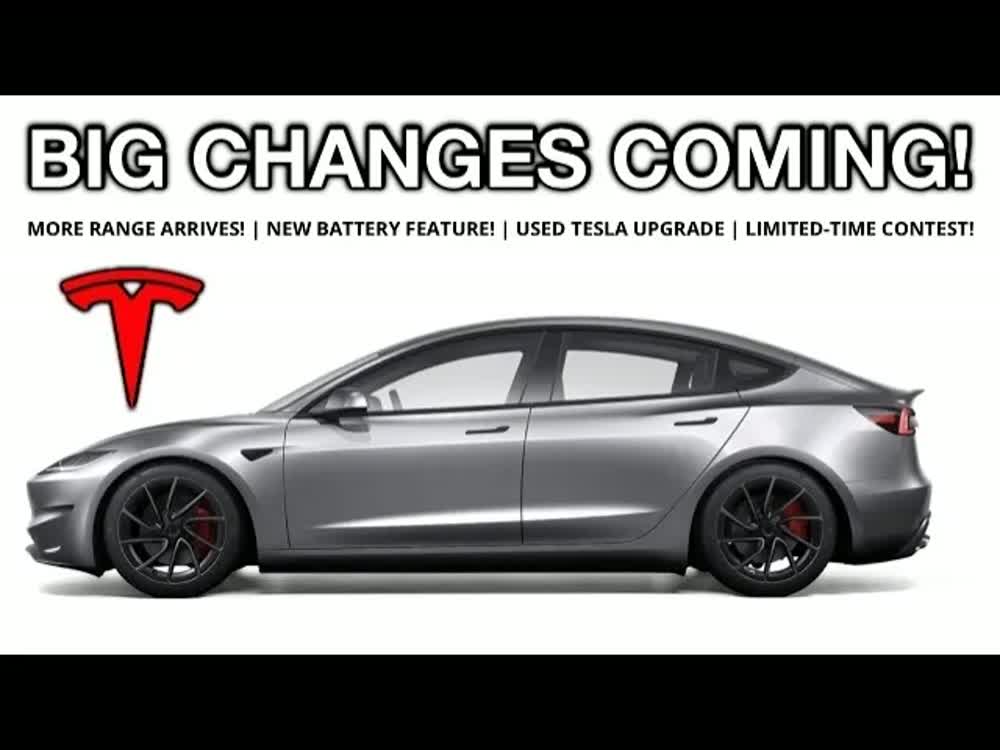
In 2019, Tesla CEO Elon Musk announced that leased Model 3 EVs would not be available for purchase at the end of the lease term. The reason? Tesla intended to repurpose these vehicles into a massive robotaxi fleet. Musk boldly predicted, “Next year for sure, we will have over a million robotaxis on the road. The fleet wakes up with an over-the-air update. That’s all it takes.”

However, as of 2025, the robotaxi vision remains unrealized. The vehicles, once touted as appreciating assets due to Full Self-Driving (FSD) capabilities, have depreciated rapidly. Moreover, many lack the necessary hardware for unsupervised autonomy as initially promised. According to former Tesla employees who spoke with Reuters, the leased cars were never used for robotaxi development. Instead, Tesla allegedly inflated their prices through software updates and resold them as used vehicles.

Reuters reported that rather than holding onto these depreciating assets, Tesla added features via software upgrades and sold the vehicles to new customers at a higher price than lease-end buyers would have paid. This practice was described as an easy way to “jack up the price” of used vehicles. While seemingly legal, this tactic denied lessees the standard option of buying their vehicles and misled them about Tesla’s intentions. It also perpetuated the myth that Tesla was close to achieving fully autonomous driving, which helped maintain the company’s high stock value.

Tesla informed customers that they could not purchase their leased vehicles, citing the robotaxi program. However, instead of integrating these cars into an autonomy program, Tesla resold them, sometimes with software upgrades like the Full Self-Driving suite (costing up to $12,000) or the $2,000 Acceleration Boost. This move feels like a betrayal to consumers who believed their vehicles would contribute to Tesla’s mission. For investors who anticipated a successful ride-hailing launch based on Tesla’s inventory, this revelation is equally significant.

Ark Investment Management, a long-time Tesla investor, had expected Tesla to use off-lease cars to initiate its robotaxi service. Now that Tesla is trialing its robotaxi service and allowing lessees to buy their cars, investors are questioning how quickly Tesla can deploy the “million” robotaxis Musk promised by 2020. This situation exemplifies Tesla’s strategy of promising future innovations while capitalizing on present opportunities. While Tesla’s actions may not be illegal, they raise ethical questions about transparency and fulfilling commitments to its customers.


Afeela’s Direct Sales Face Dealer Pushback in California

Afeela, the new EV venture by Sony and Honda, is encountering legal challenges in California before it even hits the road. The California New Car Dealers Association (CNCDA) has issued a cease-and-desist letter to Sony Honda Mobility, the parent company of Afeela, demanding they halt direct-to-consumer sales of the Afeela 1. The dealers argue that this direct sales model violates California’s dealer franchise laws, which protect their right to participate in vehicle sales.

The core issue is whether Sony Honda Mobility is truly an independent entity. The CNCDA contends that Honda and the joint venture are essentially the same corporate entity, similar to the legal battles seen with Volkswagen’s Scout brand. According to Automotive News, cutting Honda and Acura dealers out of selling Afeela 1 vehicles violates state franchise laws that prevent manufacturers and their affiliates from competing directly with their dealers.

Brian Maas, president of the CNCDA, stated, “On behalf of our California dealers, we’re not going to stand idle while violations to our franchise law are perpetrated by our dealers’ manufacturer partners. We hope Sony and Honda realize that they are—in our view—violating California law, and they work to use dealer partners to distribute Afeela vehicles in California.”

The situation is more complex than the Scout case because Afeela 1 vehicles will be assembled at Honda’s EV hub in Marysville, Ohio, a plant owned and operated by Honda. Unlike Scout, which has its own facility in Blythewood, South Carolina, the CNCDA argues that Afeela is essentially a Honda vehicle and should be sold through Honda’s dealer network. Honda, like Volkswagen with Scout, maintains that Sony Honda Mobility is a separate company. A Honda spokesperson stated that American Honda will not be involved in the decision-making of Sony Honda or the distribution, sale, or service of Afeela vehicles and remains committed to the dealer franchise model.

The outcome of this dispute remains uncertain. Dealers are increasingly concerned as more automakers adopt direct-to-consumer sales models, which bypass the traditional dealer network and reduce their potential commissions. This situation is reminiscent of a classic conflict where established players seek to protect their interests against newcomers. Dealers believe they are entitled to a commission on these sales, while automakers aim to adapt to the evolving market. The resolution of this conflict will likely set a precedent for future automotive sales models.


Frequently Asked Questions


What are CAFE standards and how do they impact EV development?

CAFE (Corporate Average Fuel Economy) standards are regulations in the United States designed to improve the average fuel economy of cars and light trucks produced for sale in the U.S. market. They mandate that automakers meet a certain threshold for minimum average fuel economy across their fleets. These standards directly impact EV development because stricter CAFE standards encourage automakers to invest more heavily in electric vehicles, which do not consume fuel and thus significantly lower the average fuel consumption of a manufacturer’s fleet.


What was Tesla’s original plan for leased Model 3 vehicles?

Tesla’s original plan, as announced by Elon Musk in 2019, was to repurpose leased Model 3 vehicles into a massive robotaxi fleet. The idea was that these vehicles would be equipped with Full Self-Driving (FSD) capabilities and would operate autonomously, providing a ride-hailing service. Tesla informed customers that they would not be able to purchase their leased vehicles at the end of the lease term because the cars were intended for this robotaxi program.


Why are California dealers challenging Afeela’s direct sales model?

California dealers are challenging Afeela’s direct sales model because they believe it violates California’s dealer franchise laws. These laws protect the rights of dealers to participate in vehicle sales and prevent manufacturers from competing directly with them. The dealers argue that Sony Honda Mobility, the parent company of Afeela, is not truly an independent entity from Honda, and therefore, Afeela vehicles should be sold through Honda’s established dealer network.


What are the potential consequences of the Trump administration’s actions on EV development?

The potential consequences of the Trump administration’s actions on EV development include a slowdown in the transition to electric vehicles, reduced investment in EV technology by automakers, and a failure to meet emissions reduction targets. By challenging the inclusion of EVs in CAFE standards, the administration could reduce the pressure on automakers to produce EVs, potentially leading to slower innovation and adoption of electric vehicles.

    Comments are closed

    Search

    Follow us

    Have any questions?

    • help@evcube.net
    • +1 (510)-878-5951
    level 2 ev charger charging at home,tesla charger for home charging

    Safe

    level 2 ev charger charging at home,tesla charger for home charging

    Speed

    level 2 ev charger charging at home,tesla charger for home charging

    Stylish

    level 2 ev charger charging at home,tesla charger for home charging

    Save

    level 2 ev charger charging at home,tesla charger for home charging

    Smart

    level 2 ev charger charging at home,tesla charger for home charging

    Suitablility

    Tesla Redesigns Doors for Emergency Safety

    Table of Contents 1. Introduction: Tesla's Door Handle Redesign 2. NHTSA Investigation and Safety Concerns 3. Details of the New Door Release Design 4. Global Regulatory Landscape 5. FAQ Introduction:…
    Read more

    Lyft Teams With Waymo to Catch Uber

    Table of Contents 1. Lyft's Pursuit of Autonomous Vehicles 2. The Waymo-Lyft Collaboration: A Game Changer? 3. Uber's Autonomous Driving Initiatives 4. Nashville as the Launchpad for Robotaxis 5. FAQ…
    Read more

    Hyundai’s 600-Mile EREV: 2027 Game Changer

    Table of Contents 1. Hyundai's Electrified Future: The 2027 EREV Launch 2. Understanding Extended Range Electric Vehicles (EREVs) 3. Hyundai's Unique EREV Strategy and Genesis Expansion 4. EREVs in the…
    Read more

    Tesla Redesigns Doors for Emergency Safety

    Table of Contents 1. Introduction: Tesla's Door Dilemma 2. The Proposed Design Change: A Unified Approach 3. NHTSA Investigation and Regulatory Scrutiny 4. Global Impact and Future Solutions 5. FAQ…
    Read more

    BMW: Gas Engines Will Never Die

    Table of Contents 1. BMW's Dual-Track Strategy: EVs and Combustion Engines 2. Market Dynamics Driving BMW’s Decision 3. The Future of BMW Platforms: A Diverse Approach 4. FAQ 1. BMW's…
    Read more

    Tesla FSD vs NYC Chaos: Robotaxi Test

    Table of Contents 1. Introduction: The Tesla Robotaxi Challenge in NYC 2. Navigating NYC with Tesla's Full Self-Driving 3. Tesla's Vision-Based Autonomy vs. the Competition 4. FSD Beyond NYC: Suburban…
    Read more
    evcubnb level 2ev charer,tesla charger,home charger,50a charger,nema 14-50charger

    Any Charging Problem?
    Let Us Know 24/7

    • 13850 CENTRAL AVE, CHINO CA
    • help@evcube.net
    ©2022 EVCUBE - All rights reserved