• 13850 CENTRAL AVE, CHINO CA
  • Help@evcube.net
  • Help@evcube.net

$0.00 0

Cart

No products in the cart.

U.S. Auto Plants Idle: Can Tariffs Spark a Revival?


The Challenge of Idle Capacity in U.S. Auto Manufacturing

Nearly a quarter of U.S. auto manufacturing capacity was unused at the close of the previous year, presenting a complex challenge for the industry. While it might seem logical to simply ramp up production in these underutilized spaces, the reality is far more intricate. Several factors contribute to this situation, including varying levels of flexibility among automakers and the economic considerations of producing vehicles domestically versus importing them.

Some automakers are operating near their maximum capacity. Honda, for instance, is running at approximately 95% capacity, according to AutoForecast Solutions. BMW (93%), Mercedes-Benz (89%), and Toyota (88.5%) are also running at high levels. These manufacturers have little room to shift production of foreign-built models to the U.S. without significant investment. On the other hand, General Motors has over 25% of its U.S. capacity available. Stellantis (61.5%), Nissan (57%), and Volvo (46%) also have considerable room to expand their production.

The complexities of repurposing existing factory space are substantial. Volvo’s experience when moving EX30 production from China to Belgium illustrates this point perfectly. The company invested €200 million to overhaul its Ghent plant, including installing a new platform, integrating nearly 600 new or refurbished robots, expanding the battery hall, and adding a new door line and battery pack assembly line. This example underscores that transitioning to new models, especially EVs, requires significant capital and logistical planning.

AutomakerCapacity Utilization (%)
Honda95%
BMW93%
Mercedes-Benz89%
Toyota88.5%
General Motors~75%
Stellantis61.5%
Nissan57%
Volvo46%

Despite these challenges, some plants are well-positioned to adapt. Stellantis’ Warren Truck plant, which produces the Jeep Wagoneer and Grand Wagoneer, operates at only 17% capacity. Given that these SUVs share a platform with the Ram 1500, the plant already possesses the necessary tools and machinery to increase production efficiently. Similarly, Ford’s Mustang plant in Flat Rock, Michigan, currently running only one shift, is considered a potential candidate for relocating Mustang Mach-E production from Mexico to the U.S. However, the critical question remains whether Ford can maintain the Mach-E’s competitive $36,495 starting price if production shifts to the U.S.

It’s also crucial to recognize that some automakers intentionally maintain idle capacity for future models. This strategic decision means that a large-scale reshuffling of production is unlikely in the immediate future. For now, many automakers are adopting a wait-and-see approach, hoping for a resolution with the Trump administration regarding tariffs before their existing inventories are depleted.

Tariffs and Tesla: A Canadian Case Study

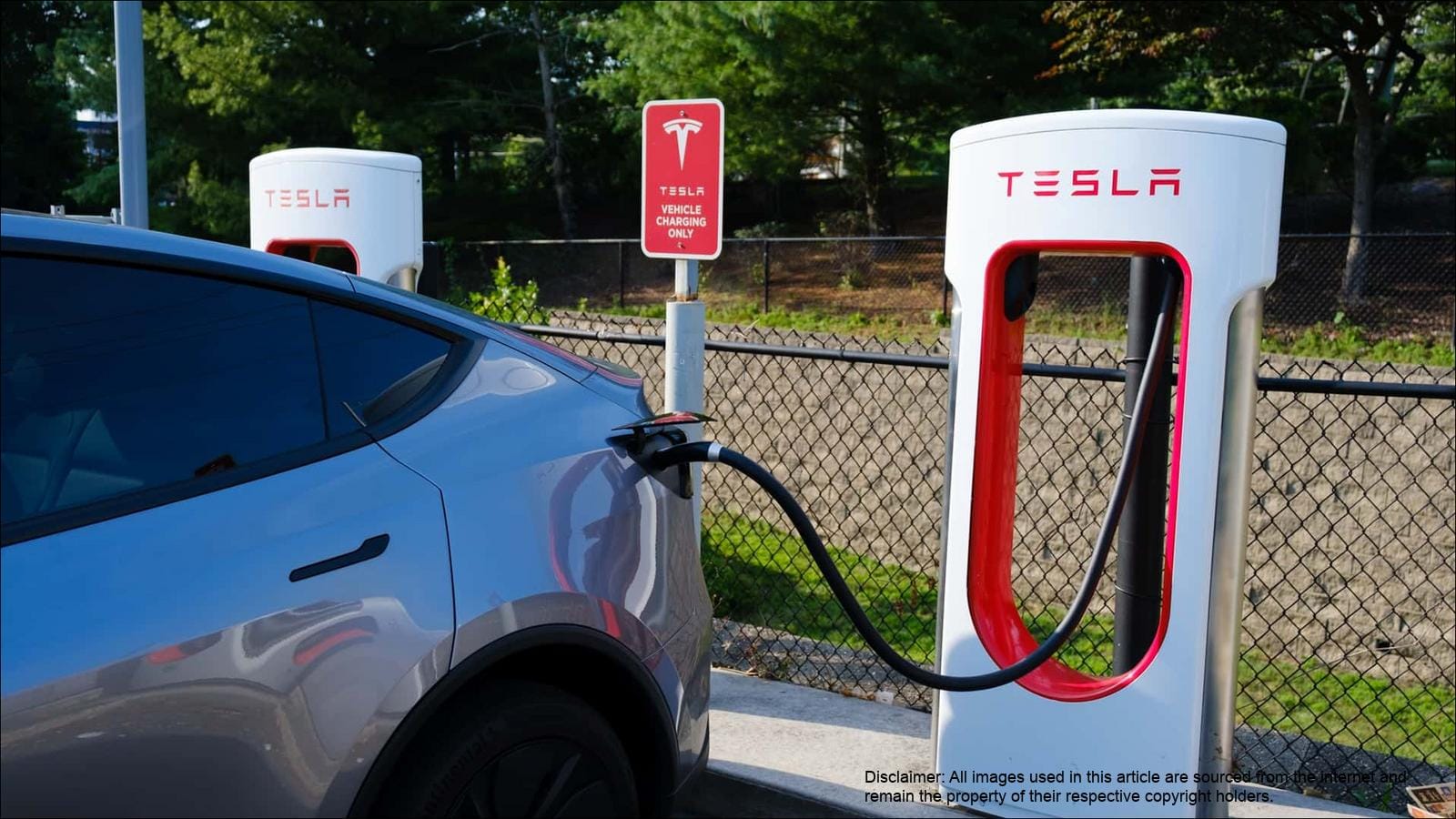
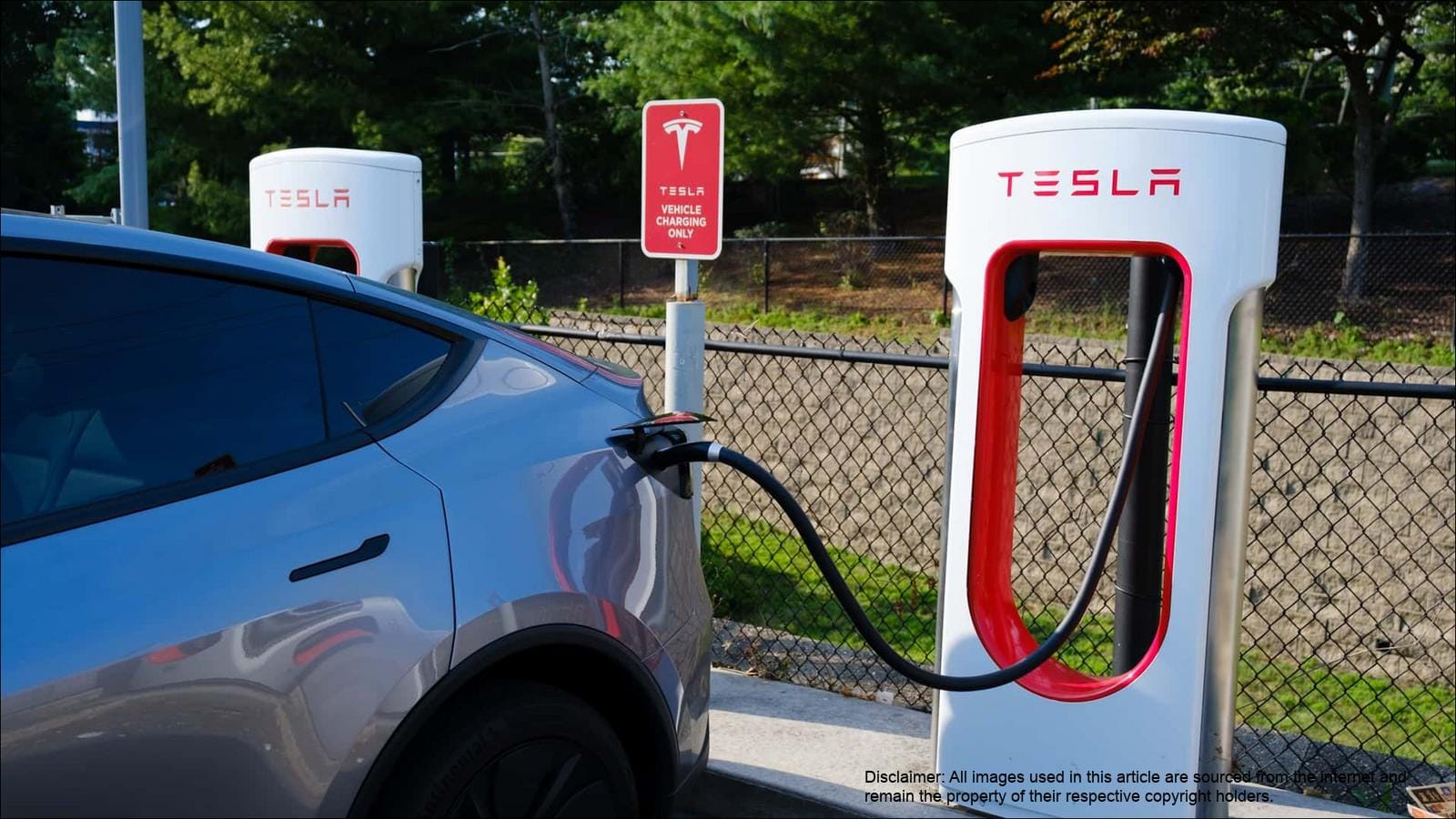
The impact of President Trump’s tariffs is beginning to manifest, even affecting companies led by his prominent financial supporters. Tesla, under Elon Musk, has significantly increased prices in Canada due to retaliatory tariffs imposed by Canada in response to U.S. tariffs on goods from Canada and Mexico. These price hikes, reported by Drive Tesla Canada, are substantial, reaching as high as $30,000 (Canadian) for certain high-end models.

Tesla ModelOriginal Price (CAD)New Price (CAD)Price Increase (CAD)
Model 3$68,990$79,990+$11,000
Model Y$69,990$84,990+$15,000
Model S$133,990$152,990+$19,000
Model X$154,990$173,990+$19,000
Cybertruck (All-Wheel Drive)$114,900$139,900+$25,000
Cyberbeast$137,900$167,900+$30,000

Specifically, the Model 3 has seen a price increase from $68,990 to $79,990, while the Model Y now costs $15,000 more, jumping from $69,990 to $84,990. The Model S and Model X have each become $19,000 more expensive, now starting at $152,990 and $173,990, respectively. The Cybertruck all-wheel drive version has increased by $25,000, now priced at $139,900, and the Cyberbeast has seen a substantial $30,000 increase, bringing its price to $167,900 in Canada.

These price hikes are unwelcome news for Tesla, which has been facing declining sales and profits. The brand’s image has suffered recently, and these tariff-induced price increases are likely to exacerbate the situation.


Japanese Automakers Embrace ‘Chinese Brains’ for Survival

Faced with increasing competition and technological advancements in China, Japanese automakers are forging partnerships with local technology companies to maintain their relevance in the Chinese market. This strategic shift involves integrating Chinese software and technology into their vehicles to appeal to local consumers and stay competitive.

AutomakerChinese PartnerTechnology Integration
ToyotaHuawei & MomentaHarmonyOS for in-vehicle software and infotainment; ADAS (Advanced Driver Assistance System)
NissanMomentaADAS (Advanced Driver Assistance System)
HondaDeepSeek & CATLVoice commands; Battery technology

Toyota, for example, is launching its first electric sedan, the bZ7, in China, which will utilize Huawei’s HarmonyOS for its in-vehicle software and infotainment. Additionally, the bZ7 will feature an ADAS supplied by Chinese start-up Momenta. Nissan has also partnered with Momenta for ADAS in its vehicles in China. Honda is collaborating with DeepSeek for voice command technology and with CATL for battery technology.

These collaborations highlight the rapid technological advancements in China’s automotive industry. Chinese automakers are not only surpassing competitors in the U.S. and other parts of the world but are also engaged in intense competition among themselves to stay ahead.


The Price of Patriotism: Would You Pay More for a U.S.-Made Car?

A recent Financial Times survey explored American attitudes toward increasing factory jobs in the U.S. The survey revealed that while most Americans support the idea of more domestic manufacturing jobs, they are less enthusiastic about personally working in those roles. This sentiment transcends political affiliations, with voters from both parties expressing a reluctance to enter the manufacturing sector.

This raises a crucial question: Are consumers willing to pay a premium for a car manufactured in the U.S., or does price remain the dominant factor in their purchasing decisions? The balance between supporting domestic industries and seeking the best value for money is a complex consideration for many car buyers.

The automotive industry is at a crossroads, balancing economic realities, consumer preferences, and geopolitical factors. The willingness of consumers to prioritize U.S.-made products could significantly influence future manufacturing strategies and investment decisions within the sector.


Frequently Asked Questions


Why is there so much idle capacity in U.S. auto manufacturing?

Several factors contribute to idle capacity, including:

  • Varying levels of flexibility among automakers to quickly shift production.
  • Economic considerations that make importing certain vehicles more cost-effective than producing them in the U.S.
  • Strategic decisions by some automakers to keep space open for future models.


    Comments are closed

    Search

    Follow us

    Have any questions?

    • help@evcube.net
    • +1 (510)-878-5951
    level 2 ev charger charging at home,tesla charger for home charging

    Safe

    level 2 ev charger charging at home,tesla charger for home charging

    Speed

    level 2 ev charger charging at home,tesla charger for home charging

    Stylish

    level 2 ev charger charging at home,tesla charger for home charging

    Save

    level 2 ev charger charging at home,tesla charger for home charging

    Smart

    level 2 ev charger charging at home,tesla charger for home charging

    Suitablility

    Tesla Redesigns Doors for Emergency Safety

    Table of Contents 1. Introduction: Tesla's Door Handle Redesign 2. NHTSA Investigation and Safety Concerns 3. Details of the New Door Release Design 4. Global Regulatory Landscape 5. FAQ Introduction:…
    Read more

    Lyft Teams With Waymo to Catch Uber

    Table of Contents 1. Lyft's Pursuit of Autonomous Vehicles 2. The Waymo-Lyft Collaboration: A Game Changer? 3. Uber's Autonomous Driving Initiatives 4. Nashville as the Launchpad for Robotaxis 5. FAQ…
    Read more

    Hyundai’s 600-Mile EREV: 2027 Game Changer

    Table of Contents 1. Hyundai's Electrified Future: The 2027 EREV Launch 2. Understanding Extended Range Electric Vehicles (EREVs) 3. Hyundai's Unique EREV Strategy and Genesis Expansion 4. EREVs in the…
    Read more

    Tesla Redesigns Doors for Emergency Safety

    Table of Contents 1. Introduction: Tesla's Door Dilemma 2. The Proposed Design Change: A Unified Approach 3. NHTSA Investigation and Regulatory Scrutiny 4. Global Impact and Future Solutions 5. FAQ…
    Read more

    BMW: Gas Engines Will Never Die

    Table of Contents 1. BMW's Dual-Track Strategy: EVs and Combustion Engines 2. Market Dynamics Driving BMW’s Decision 3. The Future of BMW Platforms: A Diverse Approach 4. FAQ 1. BMW's…
    Read more

    Tesla FSD vs NYC Chaos: Robotaxi Test

    Table of Contents 1. Introduction: The Tesla Robotaxi Challenge in NYC 2. Navigating NYC with Tesla's Full Self-Driving 3. Tesla's Vision-Based Autonomy vs. the Competition 4. FSD Beyond NYC: Suburban…
    Read more
    evcubnb level 2ev charer,tesla charger,home charger,50a charger,nema 14-50charger

    Any Charging Problem?
    Let Us Know 24/7

    • 13850 CENTRAL AVE, CHINO CA
    • help@evcube.net
    ©2022 EVCUBE - All rights reserved