• 13850 CENTRAL AVE, CHINO CA
  • Help@evcube.net
  • Help@evcube.net

$0.00 0

Cart

No products in the cart.

U.S. LFP Battery Tech: How China Took the Lead


The LFP Battery: An American Innovation

The lithium-iron-phosphate (LFP) battery, now a cornerstone of the EV revolution, surprisingly originated in the United States. Early nickel-manganese-cobalt (NMC) cathodes were developed at Argonne National Laboratory, and the foundational work on LFP batteries was pioneered by John Goodenough at the University of Texas at Austin. This groundbreaking research laid the groundwork for a safer and more cost-effective battery technology.

John Goodenough and Arumugam Manthiram’s landmark papers in 1987 and 1989 detailed iron-based cathodes, solving issues like voltage fade. Goodenough’s 1997 paper further solidified LFP’s potential. Despite these American innovations, the U.S. failed to capitalize on the technology’s long-term potential, focusing instead on short-term gains and batteries requiring less frequent charging.


China’s Rise to Dominance in LFP Battery Production

While the U.S. hesitated, China recognized the immense potential of LFP batteries and aggressively scaled up production. Chinese companies like CATL, BYD, CALB, and Gotion have propelled LFP to dominance, particularly in the EV sector. These batteries are cheaper to produce due to the absence of expensive materials like nickel and cobalt, offering better thermal stability and consistent performance, albeit with lower energy density compared to NMC batteries.

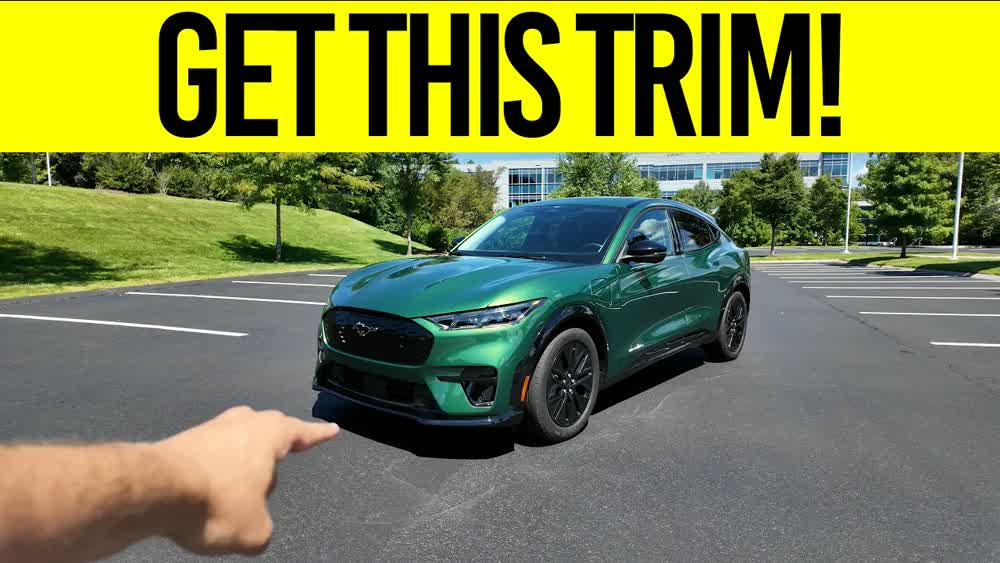
Today, LFP batteries constitute nearly 81% of installed battery production in China, powering EVs with impressive range and fast-charging capabilities. The U.S. now imports LFP technology, using it in entry-level models of Tesla Model 3, Ford Mustang Mach-E, and Rivian R1T and R1S. However, China’s early adoption and scaling have allowed it to become the world’s largest battery maker, with CATL leading the charge.

CompanyBattery TypeMarket Share
CATLLFPLeading
BYDLFPSignificant
CALBLFPGrowing


Nissan’s Radical Turnaround Plan

Nissan faces significant challenges due to a lack of competitive EVs and hybrids, leading to plunging profits and poor sales. CEO Ivan Espinosa is implementing a radical turnaround plan to cut costs and revive the brand. This includes slashing 20,000 jobs, closing seven factories, and reducing engineering costs by 20%. The plan also aims to simplify car parts by 70% and reduce the number of platforms from 13 to seven.

Nissan plans to launch the new-generation Leaf and other models like the next-gen Skyline sedan and a compact Infiniti SUV. However, the success of this rescue plan is uncertain, as it involves global plant closures and production reshuffling to mitigate tariff impacts and rising competition. Only time will tell if Nissan can successfully revive its “heartbeat.”

MeasureDetailsExpected Impact
Job Cuts20,000 jobsCost savings
Factory Closures7 factoriesReduce production footprint
Engineering Costs20% reductionEfficiency gains


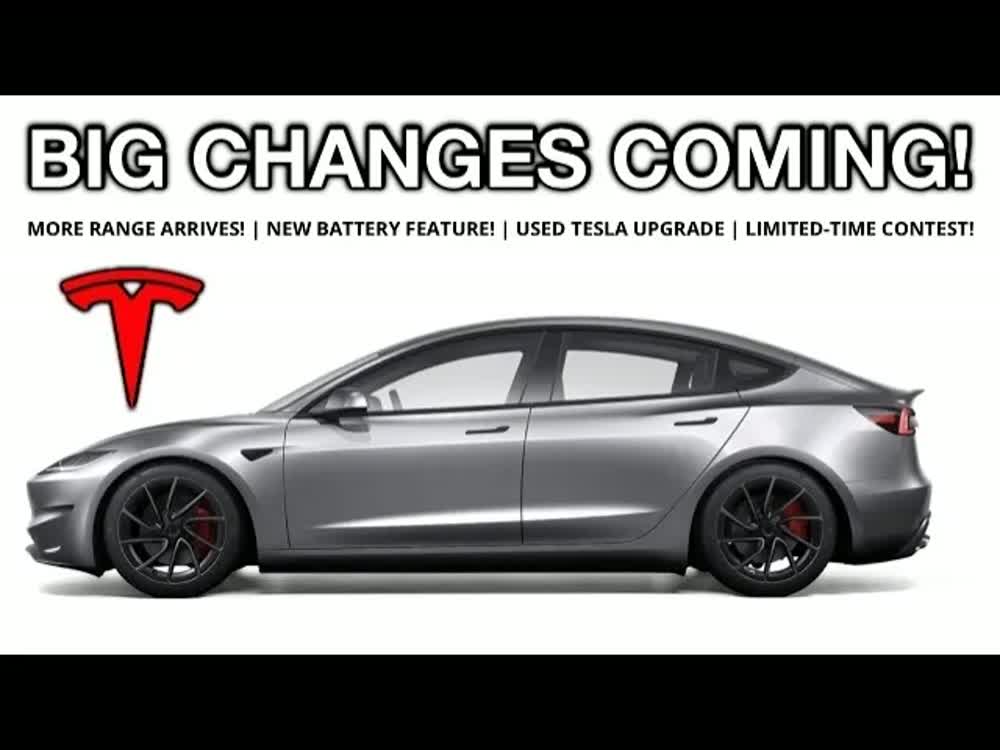
Tesla’s Push for Increased U.S. Battery Production

Tesla is urging Panasonic to accelerate U.S. production of EV batteries due to the Trump administration’s 25% tariffs on foreign vehicles and parts. Panasonic’s CEO, Yuki Kusumi, mentioned that Tesla, their main customer, is encouraging faster U.S. battery production. Producing batteries in the U.S. could help Tesla’s EVs qualify for significant tax credits.

However, the Trump administration is also considering ending these tax credits as part of its budget cuts, with House Republicans proposing a bill to eliminate the incentives. This situation highlights the complex interplay between trade policies, government incentives, and the strategic decisions of EV manufacturers and their suppliers.


Can the New Nissan Leaf Revitalize the Brand?

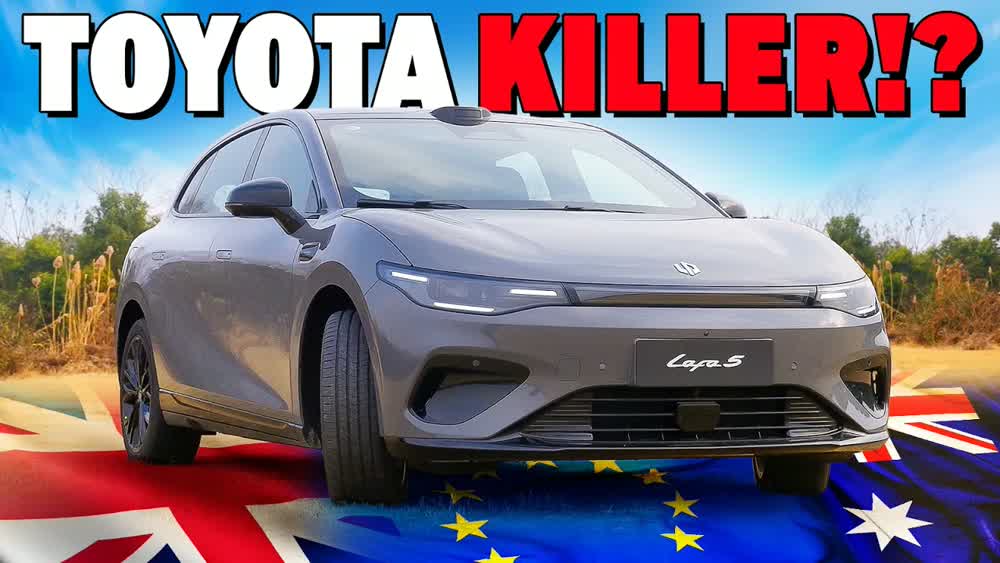
Nissan, an early entrant in the EV market with the Leaf, is set to launch a new, more efficient Leaf model featuring the Tesla-style NACS charging port. This new Leaf, designed as a bulbous SUV, aims to provide a much-needed boost to Nissan’s EV strategy and potentially offer an affordable EV option for American consumers. The question remains: can this new model truly rescue Nissan and restore its position in the competitive EV market?


Frequently Asked Questions


Why are LFP batteries becoming more popular in EVs?

LFP batteries are gaining traction due to their lower cost, as they don’t require expensive materials like nickel and cobalt. They also offer better thermal stability and consistent performance, making them a safer and more reliable option for EV manufacturers.


What are the main challenges Nissan faces in its turnaround plan?

Nissan’s turnaround plan involves significant job cuts and factory closures, which can be challenging to implement. Additionally, they need to successfully launch competitive EV models and navigate rising competition and tariff impacts to achieve their goals.


How might potential changes to U.S. tax credits affect Tesla and Panasonic?

If the Trump administration ends EV tax credits, it could negatively impact Tesla’s sales and Panasonic’s battery production plans in the U.S. The removal of these incentives could make EVs less affordable for consumers, potentially slowing down the adoption of electric vehicles.

    Comments are closed

    Search

    Follow us

    Have any questions?

    • help@evcube.net
    • +1 (510)-878-5951
    level 2 ev charger charging at home,tesla charger for home charging

    Safe

    level 2 ev charger charging at home,tesla charger for home charging

    Speed

    level 2 ev charger charging at home,tesla charger for home charging

    Stylish

    level 2 ev charger charging at home,tesla charger for home charging

    Save

    level 2 ev charger charging at home,tesla charger for home charging

    Smart

    level 2 ev charger charging at home,tesla charger for home charging

    Suitablility

    Tesla Redesigns Doors for Emergency Safety

    Table of Contents 1. Introduction: Tesla's Door Handle Redesign 2. NHTSA Investigation and Safety Concerns 3. Details of the New Door Release Design 4. Global Regulatory Landscape 5. FAQ Introduction:…
    Read more

    Lyft Teams With Waymo to Catch Uber

    Table of Contents 1. Lyft's Pursuit of Autonomous Vehicles 2. The Waymo-Lyft Collaboration: A Game Changer? 3. Uber's Autonomous Driving Initiatives 4. Nashville as the Launchpad for Robotaxis 5. FAQ…
    Read more

    Hyundai’s 600-Mile EREV: 2027 Game Changer

    Table of Contents 1. Hyundai's Electrified Future: The 2027 EREV Launch 2. Understanding Extended Range Electric Vehicles (EREVs) 3. Hyundai's Unique EREV Strategy and Genesis Expansion 4. EREVs in the…
    Read more

    Tesla Redesigns Doors for Emergency Safety

    Table of Contents 1. Introduction: Tesla's Door Dilemma 2. The Proposed Design Change: A Unified Approach 3. NHTSA Investigation and Regulatory Scrutiny 4. Global Impact and Future Solutions 5. FAQ…
    Read more

    BMW: Gas Engines Will Never Die

    Table of Contents 1. BMW's Dual-Track Strategy: EVs and Combustion Engines 2. Market Dynamics Driving BMW’s Decision 3. The Future of BMW Platforms: A Diverse Approach 4. FAQ 1. BMW's…
    Read more

    Tesla FSD vs NYC Chaos: Robotaxi Test

    Table of Contents 1. Introduction: The Tesla Robotaxi Challenge in NYC 2. Navigating NYC with Tesla's Full Self-Driving 3. Tesla's Vision-Based Autonomy vs. the Competition 4. FSD Beyond NYC: Suburban…
    Read more
    evcubnb level 2ev charer,tesla charger,home charger,50a charger,nema 14-50charger

    Any Charging Problem?
    Let Us Know 24/7

    • 13850 CENTRAL AVE, CHINO CA
    • help@evcube.net
    ©2022 EVCUBE - All rights reserved