• 13850 CENTRAL AVE, CHINO CA
  • Help@evcube.net
  • Help@evcube.net

$0.00 0

Cart

No products in the cart.
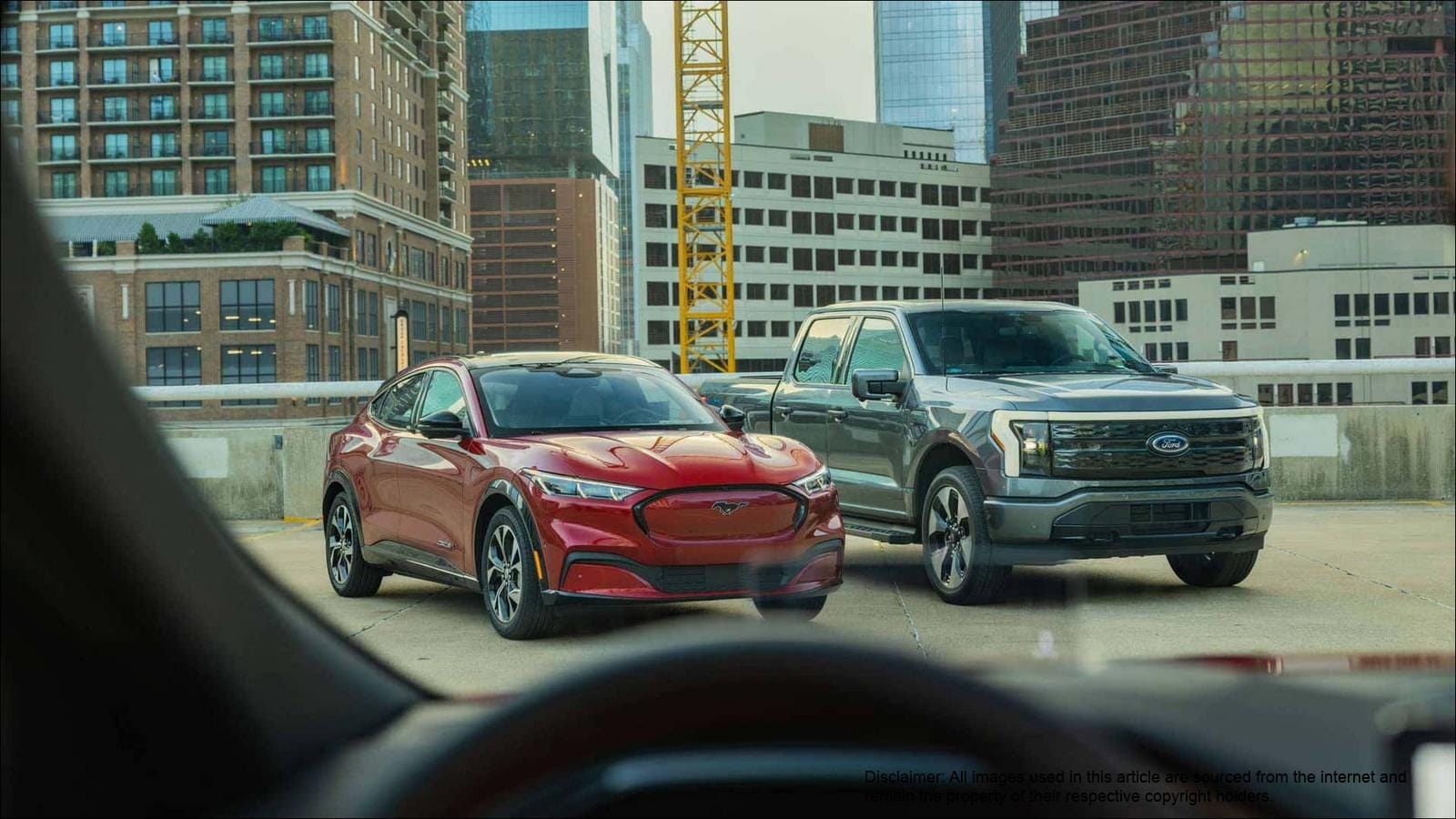
US Lags Behind in Global EV Race


The Shifting EV Landscape: A Global Overview

The global electric vehicle (EV) market is experiencing a dynamic shift, with some regions surging ahead while others risk falling behind. According to the International Energy Agency (IEA)’s 2025 Global EV Outlook, the United States is projected to lag significantly in EV adoption compared to other major players like China and Europe. This forecast raises concerns about America’s future competitiveness in the burgeoning EV industry.

The IEA projects that plug-in car sales in the U.S. will reach only 20% of the market by 2030. This figure pales in comparison to the IEA’s previous expectations and the anticipated growth in other regions. Last year’s report estimated a much more optimistic 55% for EV and plug-in hybrid (PHEV) sales in the U.S. by the end of the decade. The revised, lower projection reflects recent policy changes and their potential impact on EV adoption rates.

RegionProjected EV Market Share by 2030 (IEA 2025)Previous Projection (IEA 2024)
United States20%55%
China80%66%
Europe~60%N/A


Challenges to US Electric Vehicle Adoption

Several factors contribute to the projected slowdown in US EV adoption. A key issue is the policy shift towards dismantling pro-EV initiatives. The IEA specifically points to the U.S. policy of “eliminating subsidies and other policy measures influencing markets in favour of EVs” as a significant headwind.

Specifically, there are efforts to repeal the $7,500 clean-car tax credit, which is a crucial incentive for making EVs affordable. Additionally, the Department of Transportation and Environmental Protection Agency are expected to ease tailpipe-pollution regulations, reducing the pressure on automakers to transition to cleaner fleets. Furthermore, there’s a movement to challenge California’s ability to set EV sales mandates, which are currently followed by 11 other states and Washington, D.C. Finally, federal funding for building out the nation’s charging infrastructure has been effectively frozen, hindering the expansion of necessary support systems for EV owners.

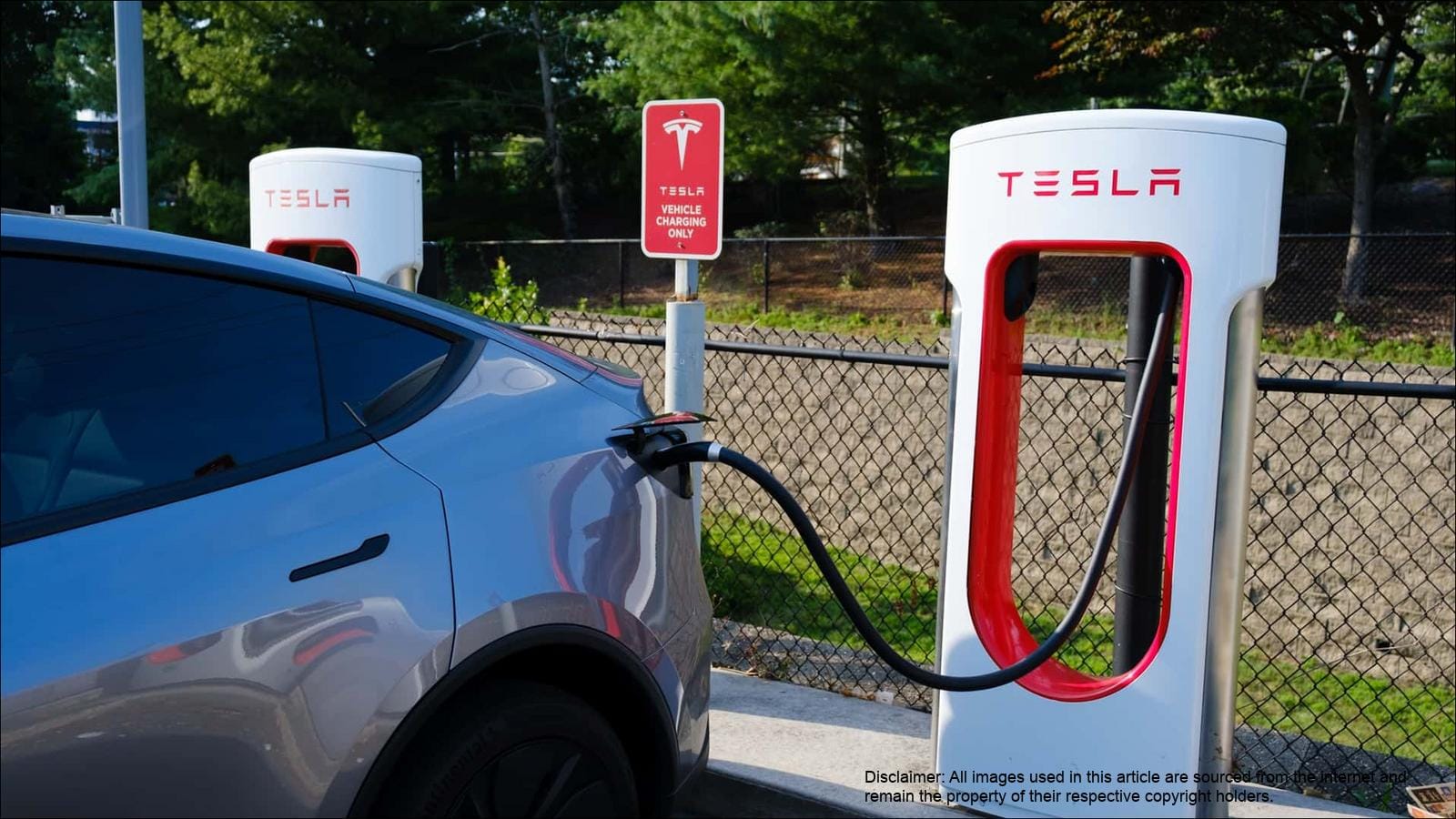
EV Charging Station

Image of a public EV charging station. Source: InsideEVs


The Global EV Market: Trends and Projections

While the U.S. faces challenges, the global EV market, particularly in China and Europe, is thriving. China has made significant investments in EV infrastructure and industry, leading to rapid sales growth. The IEA projects that EVs and PHEVs will constitute 80% of China’s car sales by 2030. This remarkable growth is attributed to increased vehicle affordability, supportive policies, and government backing for charging station development. The IEA has revised its 2030 EV outlook for China upwards by approximately 14 percentage points, reflecting the country’s strong momentum.

Europe is also expected to outpace the U.S. in EV adoption, with an estimated electric share of sales approaching 60% by 2030. This progress is driven by stringent emissions regulations, government incentives, and growing consumer demand for electric vehicles.

BYD Seagull

The BYD Seagull, a popular low-cost EV in China. Source: InsideEVs


Impact on US Competitiveness and Future Outlook

The potential slowdown in US EV adoption has significant implications for the nation’s competitiveness. Peter Slowik, the ICCT’s U.S. passenger vehicles lead, emphasizes that the EV industry is not just about clean cars and emissions reduction but also about economic leadership. If the U.S. fails to maintain a vibrant EV sector, it risks becoming overly reliant on imports from European and Chinese automakers.

A report by the International Council on Clean Transportation (ICCT) highlights the potential consequences of eliminating the Inflation Reduction Act’s (IRA) tax credits for EV buyers and manufacturers. The report projects that such a move could reduce plug-in car sales by 1.1 million units in 2030 and cost the U.S. 130,000 jobs across the vehicle manufacturing, battery, and charging industries. Despite these challenges, the ICCT anticipates that U.S. electric car sales will continue to grow, driven by declining vehicle costs and technological advancements, even without incentives.

EV Production Line

An EV production line. Source: InsideEVs


Frequently Asked Questions


What factors are contributing to the potential slowdown of EV adoption in the US?

Several factors are at play, including policy shifts aimed at dismantling pro-EV initiatives, potential repeal of the $7,500 clean-car tax credit, relaxation of tailpipe-pollution regulations, challenges to California’s EV sales mandates, and the freezing of federal funding for charging infrastructure.


How does the projected US EV market share compare to China and Europe?

The IEA projects that the US will have a 20% EV market share by 2030, significantly lower than China’s projected 80% and Europe’s approximately 60%. This disparity highlights the challenges the US faces in keeping pace with global EV adoption.


What are the potential consequences for the US if it lags in EV adoption?

If the US lags in EV adoption, it risks becoming overly reliant on imports from European and Chinese automakers. This could lead to a decline in domestic manufacturing jobs and a loss of competitiveness in the global automotive market.

    Comments are closed

    Search

    Follow us

    Have any questions?

    • help@evcube.net
    • +1 (510)-878-5951
    level 2 ev charger charging at home,tesla charger for home charging

    Safe

    level 2 ev charger charging at home,tesla charger for home charging

    Speed

    level 2 ev charger charging at home,tesla charger for home charging

    Stylish

    level 2 ev charger charging at home,tesla charger for home charging

    Save

    level 2 ev charger charging at home,tesla charger for home charging

    Smart

    level 2 ev charger charging at home,tesla charger for home charging

    Suitablility

    Tesla Redesigns Doors for Emergency Safety

    Table of Contents 1. Introduction: Tesla's Door Handle Redesign 2. NHTSA Investigation and Safety Concerns 3. Details of the New Door Release Design 4. Global Regulatory Landscape 5. FAQ Introduction:…
    Read more

    Lyft Teams With Waymo to Catch Uber

    Table of Contents 1. Lyft's Pursuit of Autonomous Vehicles 2. The Waymo-Lyft Collaboration: A Game Changer? 3. Uber's Autonomous Driving Initiatives 4. Nashville as the Launchpad for Robotaxis 5. FAQ…
    Read more

    Hyundai’s 600-Mile EREV: 2027 Game Changer

    Table of Contents 1. Hyundai's Electrified Future: The 2027 EREV Launch 2. Understanding Extended Range Electric Vehicles (EREVs) 3. Hyundai's Unique EREV Strategy and Genesis Expansion 4. EREVs in the…
    Read more

    Tesla Redesigns Doors for Emergency Safety

    Table of Contents 1. Introduction: Tesla's Door Dilemma 2. The Proposed Design Change: A Unified Approach 3. NHTSA Investigation and Regulatory Scrutiny 4. Global Impact and Future Solutions 5. FAQ…
    Read more

    BMW: Gas Engines Will Never Die

    Table of Contents 1. BMW's Dual-Track Strategy: EVs and Combustion Engines 2. Market Dynamics Driving BMW’s Decision 3. The Future of BMW Platforms: A Diverse Approach 4. FAQ 1. BMW's…
    Read more

    Tesla FSD vs NYC Chaos: Robotaxi Test

    Table of Contents 1. Introduction: The Tesla Robotaxi Challenge in NYC 2. Navigating NYC with Tesla's Full Self-Driving 3. Tesla's Vision-Based Autonomy vs. the Competition 4. FSD Beyond NYC: Suburban…
    Read more
    evcubnb level 2ev charer,tesla charger,home charger,50a charger,nema 14-50charger

    Any Charging Problem?
    Let Us Know 24/7

    • 13850 CENTRAL AVE, CHINO CA
    • help@evcube.net
    ©2022 EVCUBE - All rights reserved