Table of Contents
The Promise of the Volvo EX30
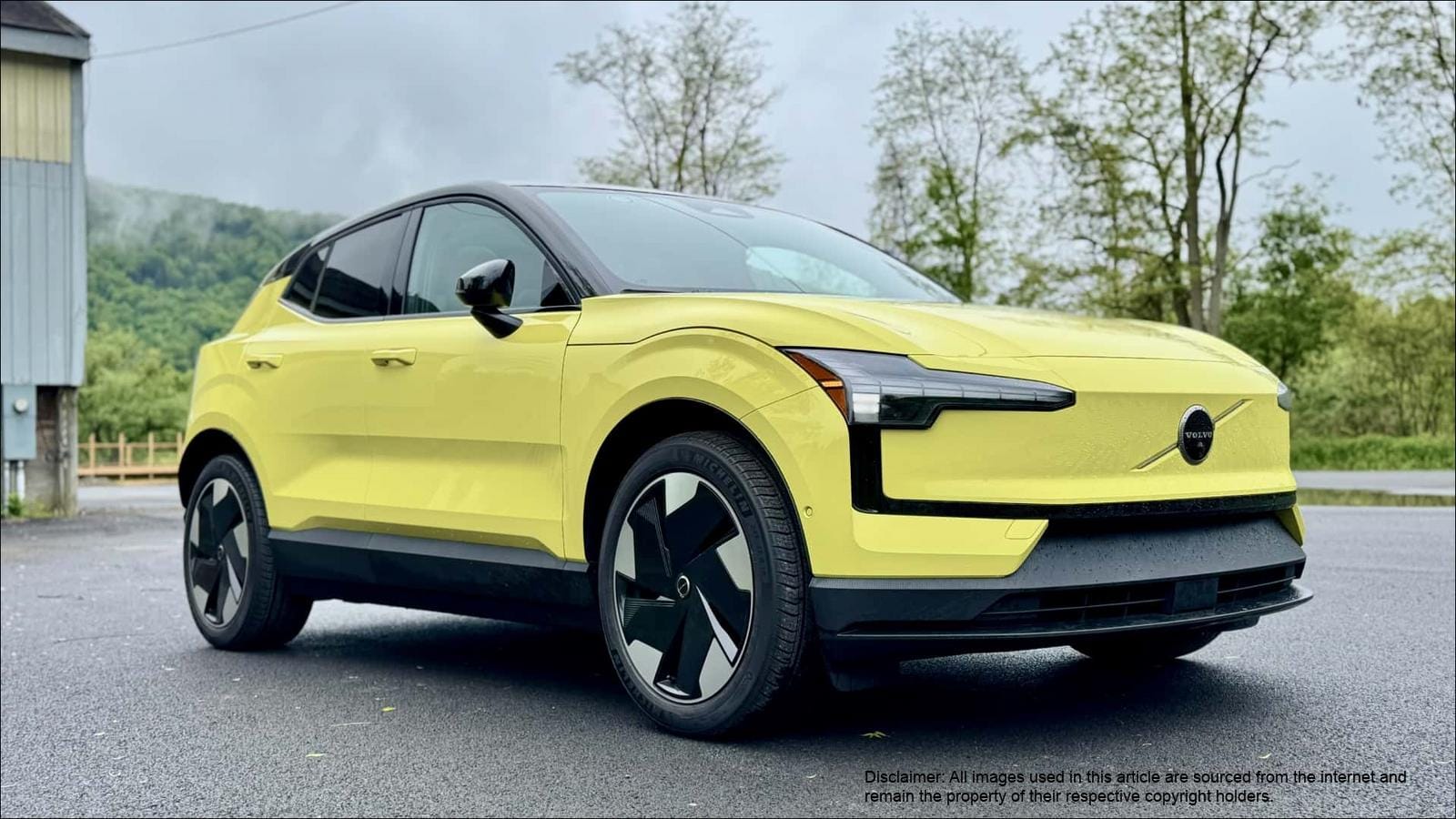
When Volvo announced the EX30 electric SUV with a starting price of $34,950, it was met with considerable excitement. The promise of an affordable, stylish, and fully electric SUV from a reputable brand like Volvo seemed almost too good to be true. This price point was particularly appealing in a market where EV adoption is often hindered by high upfront costs. The EX30 was poised to be a game-changer, potentially opening up the EV market to a broader audience. However, unforeseen circumstances quickly altered the landscape.
The Impact of U.S. Tariffs
The initial plan to import the Volvo EX30 from China was quickly thwarted by a 100% tariff imposed by the U.S. on electric vehicles manufactured in China. This effectively doubled the cost of importing the vehicles, rendering the original pricing strategy unviable. In response, Volvo invested heavily in ramping up production in Belgium, aiming to supply both the U.S. and Europe from this location. However, a new 25% blanket tariff on imported vehicles further complicated matters. The potential increase to 50%, as threatened, would make importing the EX30 from Belgium economically “almost impossible,” according to Volvo CEO Hakan Samuelsson.
To illustrate the impact, consider the following cost breakdown:
| Tariff Level | Impact on EX30 Price | Viability |
|---|---|---|
| 0% | $34,950 (Original Price) | Highly Viable |
| 25% | $43,687.50 (Price Increase) | Questionable |
| 50% | $52,425 (Significant Increase) | Unviable |
Automaker Responses and Future Outlook
The automotive industry operates on relatively thin margins, typically around 6%. A 25% or 50% tariff cannot be absorbed by automakers without significantly impacting their profitability. Companies face the difficult choice of either raising prices, which could deter consumers, or ceasing imports altogether, which would reduce competition and potentially drive up prices across the board. This situation is not sustainable for European automakers, and even American firms are concerned. Volvo’s CEO remains optimistic that a trade agreement will be reached, as shutting down trade between Europe and the U.S. would be detrimental to both economies. However, the short-term impact of these tariffs is likely to be higher prices for consumers. While incentivizing domestic production is a valid goal, sudden and drastic market shocks can disrupt the industry and hinder the transition to electric vehicles.
Here’s a summary of potential outcomes:
- Price Increases: Consumers bear the brunt of the tariffs through higher vehicle prices.
- Reduced Competition: Fewer imported models lead to less choice and potentially higher prices overall.
- Production Shifts: Automakers may be forced to relocate production, a costly and time-consuming process.
- Trade Negotiations: Potential for trade agreements to alleviate tariff pressures.