Table of Contents
Volvo’s Q1 2025 Losses: A Deep Dive
After a year of record sales and profits, Volvo is facing headwinds as it navigates the complexities of the automotive market in 2025. The Swedish automaker’s first quarter results reveal significant financial challenges, signaling a need for strategic adjustments. The Volvo financial crisis is becoming apparent as the company grapples with declining revenue and profitability.
Specifically, Volvo reported an 11.7% decrease in revenue compared to the same period last year. However, the most alarming figure is the 72% drop in operating income (excluding joint ventures and associates), leading to a 59% decrease in total operating income. Furthermore, global vehicle sales experienced a 6% decline, with 172,219 units sold. These numbers paint a clear picture of the challenges Volvo is currently facing.
| Financial Metric | Q1 2024 | Q1 2025 | Change |
|---|---|---|---|
| Revenue | X (Hypothetical) | Y (Hypothetical) | -11.7% |
| Operating Income (excl. JVs) | A (Hypothetical) | B (Hypothetical) | -72% | Total Operating Income | C (Hypothetical) | D (Hypothetical) | -59% |
| Global Vehicle Sales | 183,212 (Hypothetical) | 172,219 | -6% |
The $1.87 Billion Cost-Cutting Initiative
In response to the disappointing Q1 results, Volvo is implementing a significant cost-cutting plan aimed at saving $1.87 billion (SEK 18 billion). This Volvo cost-cutting initiative is designed to streamline operations and improve financial performance in the face of slowing sales and impending economic challenges. The measures include Volvo layoffs and a reduction in planned investments.
The company has also withdrawn its financial guidance for the next two years, reflecting the uncertainty surrounding the impact of these factors. This decision underscores the severity of the situation and the need for Volvo to reassess its strategies in a rapidly changing market. The Volvo layoffs are a particularly difficult aspect of this plan, impacting employees and their families.
| Area | Measure | Expected Impact |
|---|---|---|
| Operating Costs | Layoffs and efficiency improvements | Significant reduction in expenses |
| Investments | Decrease in planned investments | Reduced capital expenditure |
| Overall Strategy | Focus on resilience and improved results | Strengthened financial position for future challenges |
Strategic Shifts: Americas Focus and Leadership Changes
Volvo is not only focusing on cost-cutting but also on restructuring its operations to prioritize key markets. A significant change is the creation of a new sales region called Americas, encompassing the U.S., Canada, and Latin America. This move signals a strategic shift towards the Americas, recognizing the region’s growth potential and importance to Volvo’s future success.
As part of this restructuring, Mike Cottone, the head of U.S. and Canada operations, will step down after nearly 20 years with the company. Luis Rezende will take the helm of the new Americas region, bringing fresh leadership and a new perspective to the role. Furthermore, Volvo is prioritizing the Americas and Greater China regions, while placing European operations lower on the priority list. This decision reflects the company’s assessment of market opportunities and growth potential in different regions.
Looking Ahead: Product Plans and Leadership
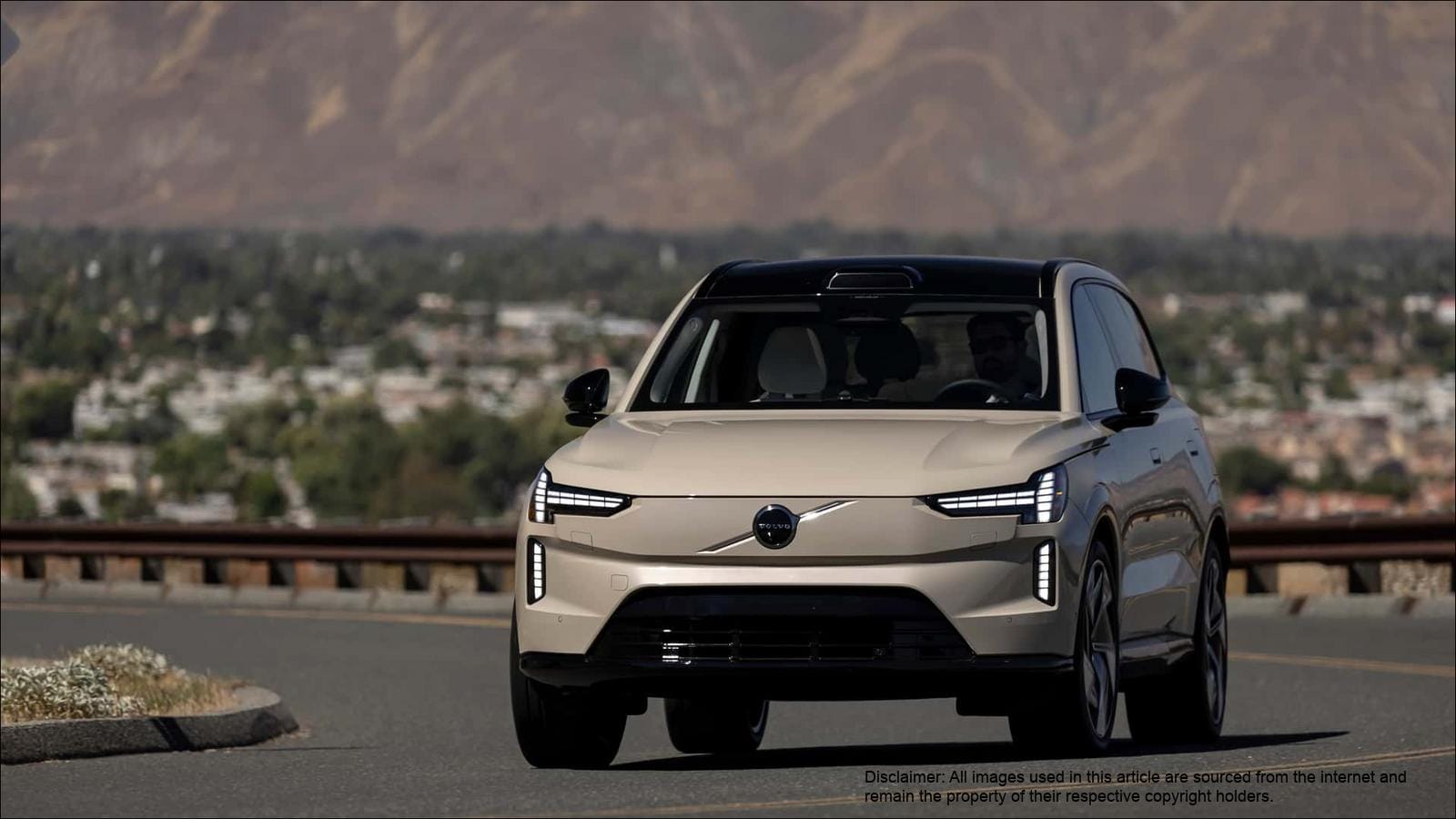
Despite the current financial challenges, Volvo is moving forward with its product plans, including the launch of its first extended-range plug-in hybrid model in China. This model was initially announced in February, alongside plans for the EX30 Cross Country, ES90, and a refreshed S90. These new models are expected to contribute to Volvo’s future growth and competitiveness in the market.
In a significant leadership change, Volvo Cars replaced CEO Jim Rowan with Håkan Samuelsson, who previously held the position. Samuelsson’s return is noteworthy, as he was instrumental in the development of the Scalable Product Architecture (SPA) platform, which has underpinned nearly all of Volvo’s products for the past decade, including the XC90 and XC60 SUVs, as well as the S60 and S90 sedans. His experience and vision are expected to help Volvo navigate its current challenges and drive future success.