Table of Contents
Volkswagen’s Electrification Strategy
Volkswagen is strategically shifting gears in the electric vehicle (EV) market, aiming to solidify its position against rising competition, particularly from Chinese automakers. After initial challenges, the company is now focusing on innovation and affordability to capture a larger share of the European market. This includes not only aesthetic and user-interface improvements, like bringing back physical buttons, but also significant technological advancements under the hood. These changes are geared towards making EVs more accessible and appealing to a broader consumer base.
Cutting-Edge Technology for Affordable EVs
At the IAA Mobility show in Munich, Volkswagen unveiled key technological upgrades for its upcoming range of affordable electric cars, including the highly anticipated VW ID. Polo and ID. Cross. These models are projected to start at under €25,000 (approximately $29,000 USD) in Europe. The core of these advancements includes:
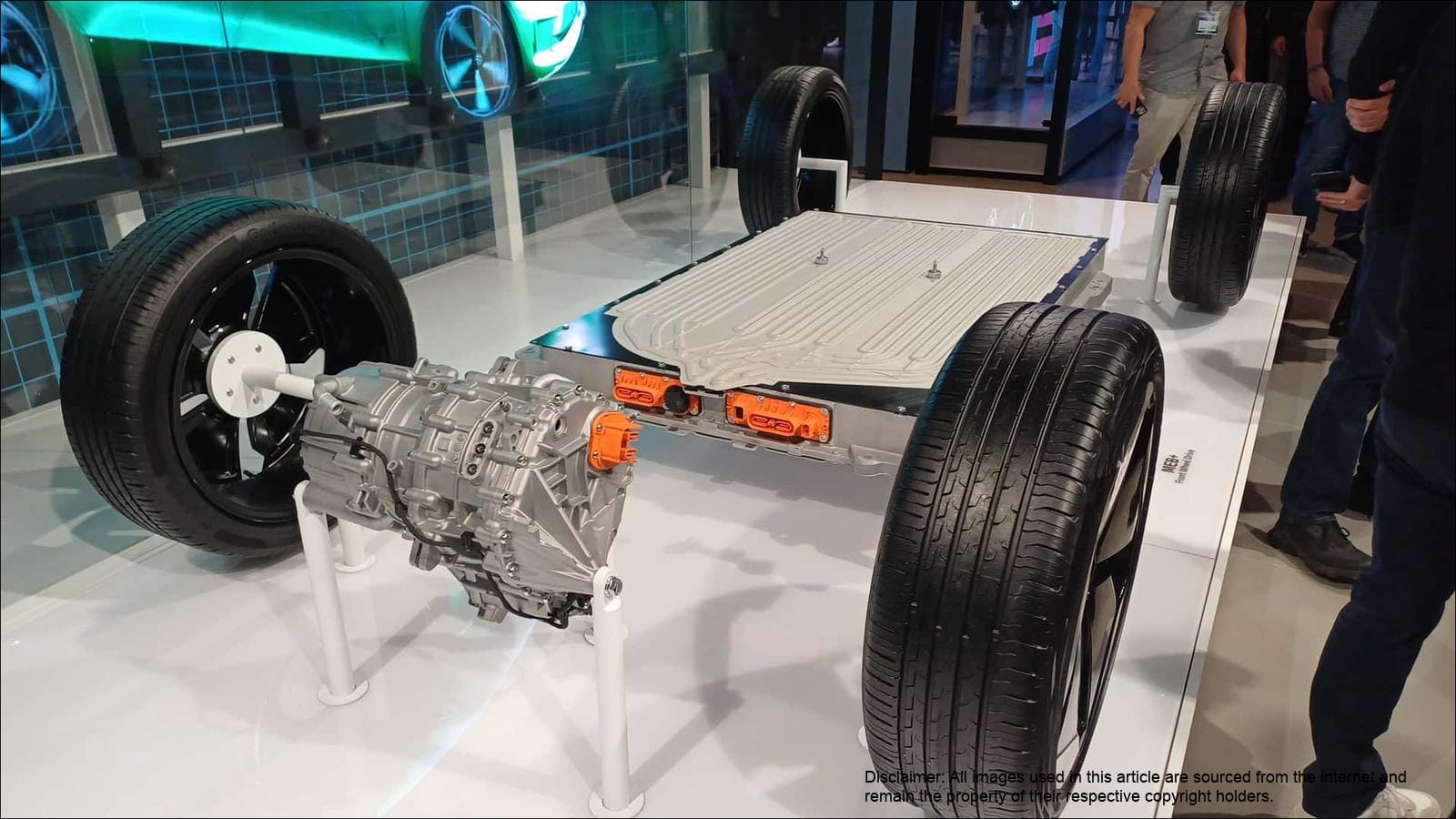
- New Electric Drive Unit (APP290): This in-house developed motor is a permanent-magnet drive unit, capable of delivering up to 214 horsepower (160 kW) and 214 pound-feet (290 Newton-meters) of torque. It’s designed to provide ample power for city-sized vehicles, ensuring a responsive and efficient driving experience.
- Silicon Carbide (SiC) Inverter: As the first in-house inverter developed by the Volkswagen Group, the SiC inverter minimizes energy losses and significantly boosts efficiency. Silicon carbide is a superior material for inverters due to its ability to handle higher temperatures and voltages, leading to less energy waste.
These technological enhancements are pivotal in Volkswagen’s strategy to offer affordable yet high-performing EVs, directly competing with offerings from Chinese manufacturers.
Battery Innovations: LFP and NMC Options
Volkswagen is diversifying its battery technology by offering two distinct options for its upcoming affordable EVs:
- Lithium Iron Phosphate (LFP) Batteries: Known for their durability and cost-effectiveness, the LFP battery pack will have a capacity of 38 kWh. LFP batteries offer enhanced thermal stability and a longer lifespan, making them an ideal choice for everyday urban driving.
- Nickel Manganese Cobalt (NMC) Batteries: For those seeking greater range, a larger 56 kWh NMC battery will also be available. NMC batteries provide higher energy density, translating to more miles per charge.
Both battery types will support fast charging, capable of charging from 10% to 80% in under 25 minutes. While Volkswagen hasn’t specified the peak charging power, this fast-charging capability will significantly enhance the usability of these EVs.
Here’s a comparison of the two battery types:
| Battery Type | Capacity | Estimated Range | Key Benefit |
|---|---|---|---|
| LFP | 38 kWh | ~186 miles (300 km) | High Durability, Lower Cost |
| NMC | 56 kWh | ~280 miles (450 km) | Longer Range |
The VW-developed prismatic cells for both battery chemistries will be sourced from multiple suppliers, including Samsung SDI, SK on, Gotion, CATL, LG Energy Solution, and Volkswagen’s own PowerCo. The use of cell-to-pack packaging, along with a top cooling plate, ensures optimal thermal management and reduces overall size and weight.
Implications for the EV Market
Volkswagen’s strategic moves are poised to have a significant impact on the European EV market. By focusing on affordability and technological innovation, VW aims to effectively compete with the influx of Chinese EV models. Keeping production localized within Europe not only supports the regional economy but also ensures adherence to stringent quality standards.
While these specific models may not be available to American buyers, the technologies developed for them could eventually make their way into other Volkswagen EVs sold in the United States. This could lead to more affordable and efficient EVs for the US market in the future.