Table of Contents
ZF’s Innovative Electric Range Extender Plus (eRE+)
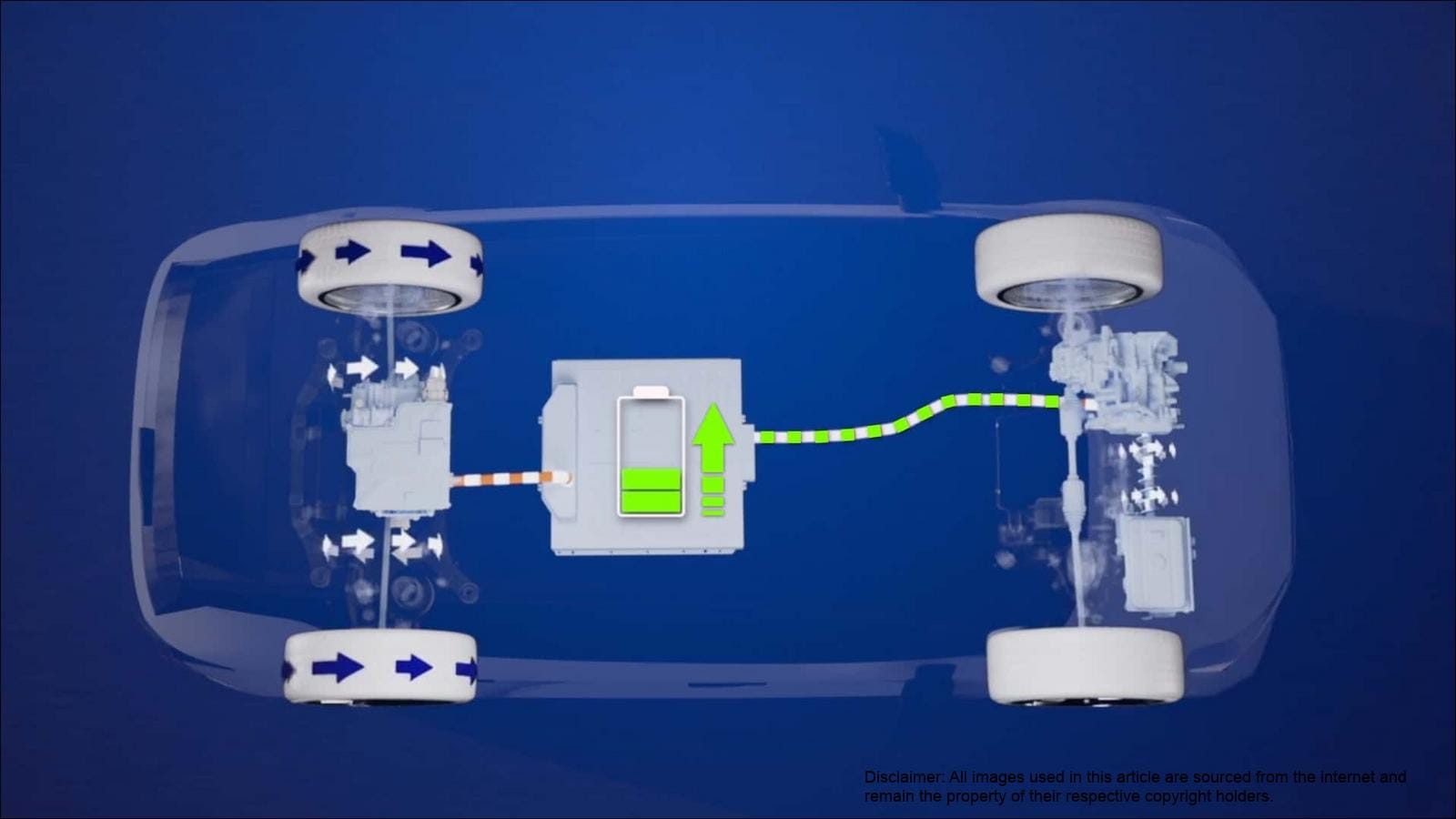
ZF, a well-known German automotive supplier celebrated for its advanced six- and eight-speed automatic transmissions, is pushing the boundaries of EV technology with its new Electric Range Extender Plus (eRE+). This innovative system is designed to enhance the functionality of traditional range extenders found in extended-range electric vehicles (EREVs) by allowing the generator to also power the car’s wheels. While it doesn’t directly connect to an axle, the eRE+ essentially transforms the power generator into an additional electric motor, offering a novel approach to extending vehicle range and improving overall efficiency. This development marks a significant step forward in EV technology, providing a versatile solution for automakers looking to optimize their electric vehicle platforms.
Understanding the Technology Behind the eRE+
To fully appreciate the eRE+, it’s essential to understand the context of extended-range electric vehicles (EREVs). EREVs share similarities with plug-in hybrids (PHEVs), both featuring a gas engine, a high-voltage battery, and an electric motor. However, the key difference lies in the gas engine’s role. In an EREV, the gas engine is solely dedicated to turning an electric generator, which then feeds power to the battery, thereby extending the vehicle’s driving range. Unlike PHEVs, the gas engine in an EREV has no direct mechanical connection to the wheels.
ZF’s eRE+ enhances this setup by enabling the generator to also function as an additional power source for the wheels. This is achieved through an integrated system that includes an inverter, a planetary gearset, and sophisticated software, all supporting both 400-volt and 800-volt power systems. Notably, the eRE+ incorporates a built-in clutch and differential, allowing it to operate either as a current generator or as a secondary drive unit. This integration not only streamlines the system but also offers cost and space savings for car manufacturers. The gas engine remains dedicated to powering the generator, which, in turn, can send power to the wheels, effectively acting as an electric motor.
The Electric Range Extender Plus is slated for production next year and can be configured to deliver between 70 and 150 kilowatts (94 to 201 horsepower). In comparison, the more traditional Electric Range Extender (eRE) offers an output between 70 and 110 kW (94 to 147 hp). The eRE is better suited for placement on the rear axle, while the eRE+ is designed to be positioned under the hood, similar to a conventional combustion engine. When combined, these systems can provide over 300 hp, offering ample power for a variety of vehicle applications.

The Strategic Advantage of EREVs
The development of the eRE+ raises the question: Why pursue this technology instead of simply using a plug-in hybrid powertrain? According to ZF, the EREV approach is often more cost-effective, particularly for automakers who have already invested significantly in electric vehicle platforms not designed to accommodate combustion powertrains. Dr. Otmar Scharrer, Senior Vice President of R&D and Electrified Powertrain Technology at ZF, notes that “The new interest and the increased demand for range extenders show that the potential of this technology is far from exhausted, in particular for model platforms that are already designed for battery-electric drivelines.”
In essence, the eRE+ allows car companies to integrate a small displacement engine into an existing EV platform, maximizing the use of their investments. While ZF is a leader in this area, other suppliers are also exploring similar strategies for adapting EV platforms. For example, Renault and Geely’s Horse Powertrain spinoff recently unveiled their concept for transforming EVs into hybrids, indicating a broader trend towards flexible and innovative EV solutions. The ZF eRE+ Electric Range Extender represents a compelling option for automakers seeking to enhance the range and versatility of their electric vehicles without incurring the high costs associated with developing entirely new platforms.