Table of Contents
Lexus ES Unveiled: A New Era of Electric Luxury
The 2026 Lexus ES marks a significant turning point for the Japanese brand, signaling its commitment to electric vehicles. The unveiling of the next-generation Lexus ES, now available in both EV and hybrid versions, is a bold step towards embracing sustainable luxury. This long-running luxury sedan is not just getting a facelift; it’s undergoing a fundamental transformation to meet the demands of an increasingly eco-conscious market.
Lexus presented the new ES at the Shanghai auto show, providing a glimpse into the future of its flagship sedan. Further details about the U.S.-bound version were subsequently released, confirming that the ES will be available in hybrid and electric forms. This dual offering ensures that Lexus caters to a broad spectrum of consumers, from those seeking a familiar hybrid experience to those ready to embrace full electrification.
EV Specifications: Range, Power, and Performance
The 2026 Lexus ES will offer two distinct EV models: the front-wheel-drive ES 350e and the dual-motor, all-wheel-drive ES 500e. The ES 350e targets an EPA-rated range of 300 miles, making it a competitive option in the electric sedan market. The ES 500e, with its dual-motor setup and all-wheel-drive capability, aims for a range of 250 miles, reflecting the increased energy consumption associated with AWD systems.
In terms of power, the ES 350e delivers 220 horsepower, while the ES 500e boasts 338 horsepower. This difference in power output underscores the performance-oriented nature of the all-wheel-drive variant. The following table summarizes the key specifications of the two EV models:
| Model | Drivetrain | Targeted EPA Range | Horsepower |
|---|---|---|---|
| ES 350e | Front-Wheel Drive | 300 miles | 220 hp |
| ES 500e | All-Wheel Drive | 250 miles | 338 hp |
Toyota’s EV Strategy: A Broader Perspective
The introduction of the 2026 Lexus ES is part of a larger EV offensive by Toyota in the United States. After initial forays into the EV market with models like the Toyota bZ4x and Lexus RZ, which faced criticism for their range and value, Toyota is now rolling out a series of more compelling electric vehicles. The bZ4x and RZ have been revamped for the 2026 model year, and new models like the Toyota bZ Woodland and C-HR are also on the horizon.
This strategic shift indicates Toyota’s commitment to addressing the shortcomings of its earlier EVs and delivering vehicles that meet the expectations of American consumers. The 2026 Lexus ES, with its competitive range and luxurious features, is poised to play a key role in this evolving EV landscape.
Charging and Availability: What to Expect
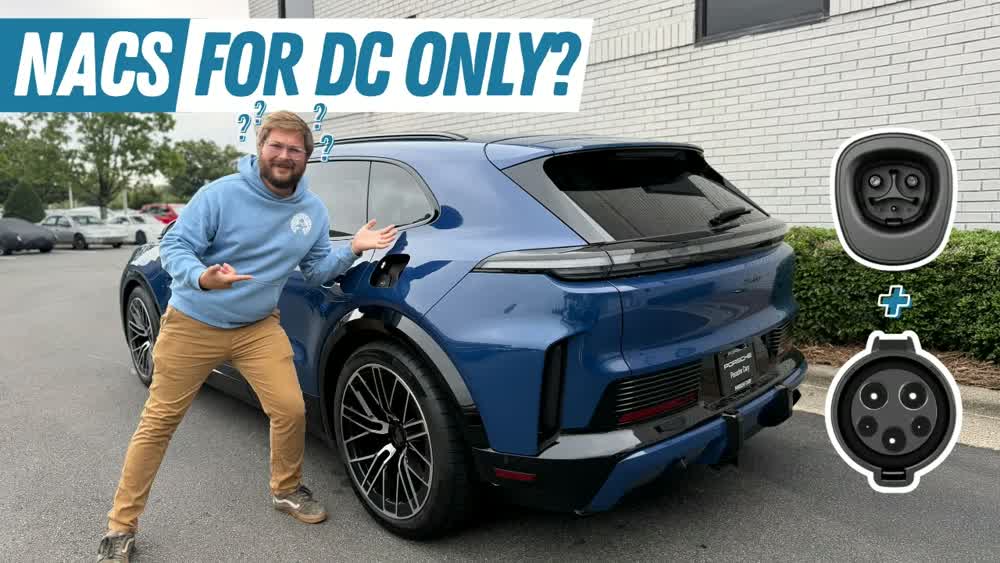
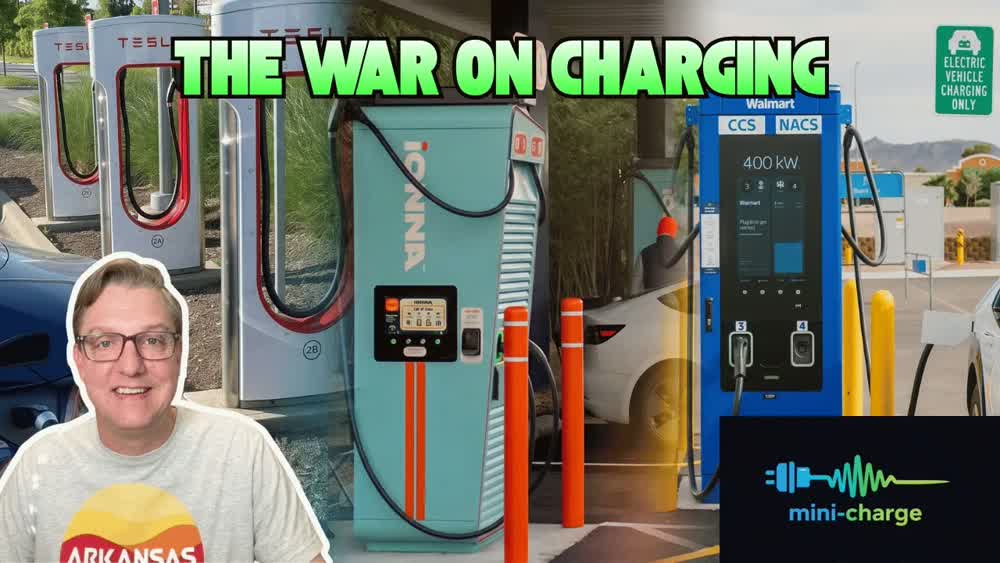
One of the most significant features of the 2026 Lexus ES is its adoption of the Tesla-style charging port, now known as the North American Charging Standard (NACS) or SAE J3400. This move aligns Lexus with the broader auto industry trend towards NACS, granting ES owners access to thousands of Tesla Supercharger stalls without the need for adapters. Tesla’s decision to open its charging network to other brands is a game-changer, and Lexus is among the first to benefit.
Lexus estimates that the ES will be able to charge from 10% to 80% in approximately 30 minutes when using a sufficiently powerful DC fast charger. While this charging time is respectable, it is not the fastest in the EV market. The 2026 Lexus ES is expected to go on sale next year, marking the arrival of a new era for the luxury electric sedan.