Table of Contents
Electric Vehicle Demand Remains Strong Despite Headwinds
Despite facing potential challenges from new tariffs and proposed legislation to eliminate federal EV tax credits, American consumers are still showing a strong interest in electric vehicles (EVs). According to a recent J.D. Power study, demand for EVs has remained steady compared to the same period last year. This indicates a resilient market driven by increasing consumer awareness and technological advancements in the EV sector.

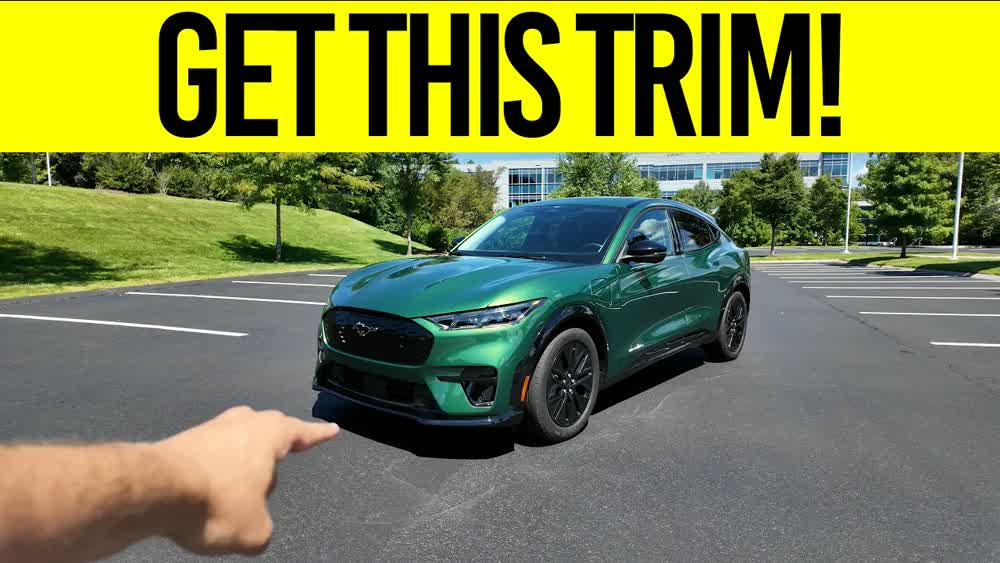
Ford Mustang Mach-E: A popular EV model attracting buyers from various brands.
Regional Adoption and Overall Sales Trends
The U.S. auto industry is undergoing a significant transformation driven by the rise of EVs. However, adoption rates vary across the country. Coastal and Democratic-leaning states, particularly among younger demographics, are experiencing higher EV uptake, while rural areas are lagging. Despite these regional disparities, EV sales have reached record highs, accounting for approximately 7.5% of total vehicle sales in the U.S. in the first quarter, up from 7% in Q1 2024, according to Cox Automotive.
| Year | Q1 EV Sales Share |
|---|---|
| 2024 | 7.0% |
| 2025 | 7.5% |
Table: Q1 EV Sales Share in the U.S.
Consumer Sentiment and Cross-Shopping Trends
The J.D. Power study reveals that 24% of vehicle buyers are “very likely” to buy an EV, and 35% are “somewhat likely,” indicating that approximately 60% of vehicle shoppers are considering EVs. However, the conversion rate remains lower due to several factors. One significant driver of steady demand is the increasing availability of EV models. Consumers who are very likely to consider an EV are cross-shopping an average of nearly 3 brands, while those somewhat likely are considering around 2.8 brands. Automakers like Polestar and Lucid are offering substantial discounts, and brands like Nissan, Toyota, Hyundai, and Kia provide attractive lease deals, further fueling consumer interest.
Kia EV6: A popular EV model attracting buyers from various brands.
Addressing Charging Anxiety and Affordability
Despite the positive trends, the EV market continues to face challenges. The J.D. Power study identifies charging anxiety and affordability as major concerns. The availability of EV charging stations remains the top concern for 52% of potential buyers. Affordability is also a significant issue, although it is improving as costs drop. Addressing these concerns is crucial for sustaining and accelerating EV adoption. Efforts to expand and improve the charging infrastructure, coupled with decreasing EV prices, will likely drive further growth in the market.
| Concern | Percentage of Buyers |
|---|---|
| Charging Availability | 52% |
| Affordability | 43% |
Table: Major Concerns for Potential EV Buyers
Potential Policy Shifts and Industry Growth Factors
Proposed policy changes, such as the potential dismantling of pro-EV policies and the elimination of federal EV tax credits, could impact the market. Specifically, the “leasing loophole,” which allows EVs to qualify for tax credits even if they don’t meet strict sourcing requirements, is under scrutiny. Additionally, funding for public charging stations and the 45X production credit, which has boosted battery manufacturing, are at risk. Despite these challenges, the long-term growth of the EV industry may depend more on fundamental factors like expanding and improving the charging network, introducing innovative car features, and reducing sticker prices. These efforts are already underway, and their impact will be crucial in shaping the future of the EV market.