Table of Contents
Understanding DC Fast Charging Adapters
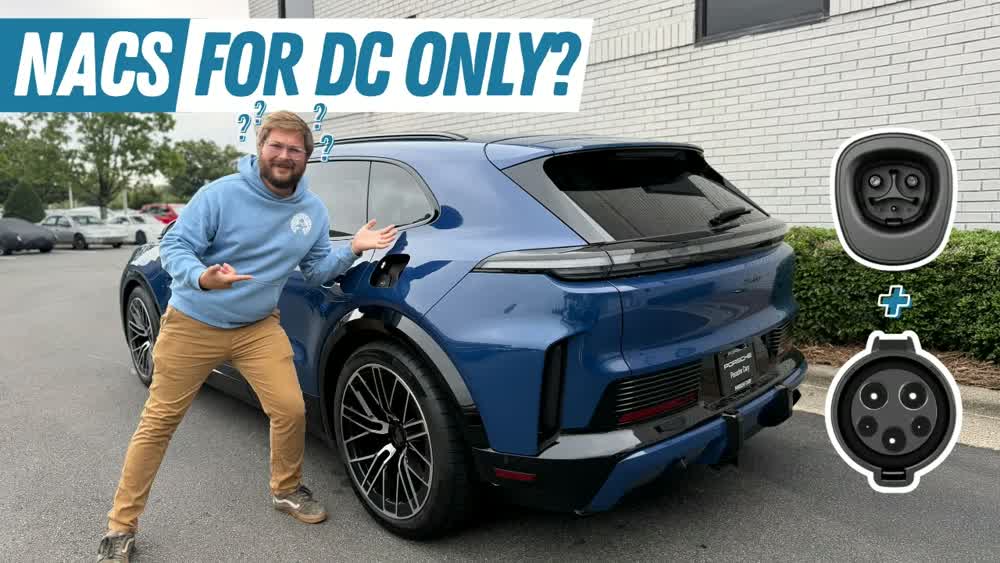
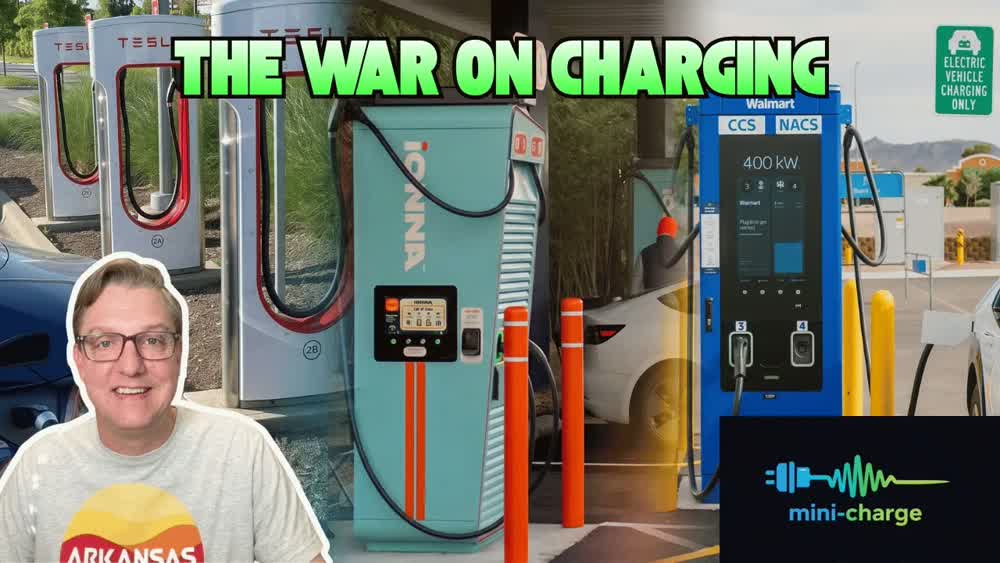
In recent times, the use of charging adapters at DC fast charging stations across the United States has gained traction. Electric vehicle (EV) owners are increasingly utilizing adapters to connect their vehicles to various charging networks. For instance, a Ford Mustang Mach-E might be seen charging at a Tesla Supercharger, or a Hyundai Ioniq 5 equipped with a North American Charging Standard (NACS) may be plugged into an Electrify America DC fast charger. While this trend is on the rise, it’s crucial to understand that not all adapters are permitted at these charging stations.
Charging Operators’ Policies on Adapters
A thorough review of the policies from various DC fast charging operators reveals a common theme: the prohibition of non-approved adapters. Tesla, for example, only recognizes adapters that are manufactured or supplied by the company or other authorized automakers. According to Tesla’s third-party adapter policy, “Tesla prohibits the use of any other device that plugs in between a vehicle and the charging cable such as third-party adapters, extension cords, and breakaway devices.”
| Charging Operator | Adapter Policy |
|---|
| Tesla | Only Tesla-provided adapters allowed. |
| EVgo | Only UL2252 certified automaker adapters permitted. |
| Electrify America | Similar restrictions as Tesla. |
| ChargePoint | Does not recommend adapters unless tested extensively. |
ChargePoint takes a more conservative approach, advising against the use of any adapters or extension cables without extensive testing. The company’s representative emphasized that safety is paramount, and only well-tested solutions should be used in DC charging applications. ChargePoint offers a proprietary solution called the OmniPort, which allows for seamless switching between charging standards without the need for external adapters.
Risks of Using Non-Approved Adapters
While charging operators cannot physically prevent the use of unauthorized adapters, the risks associated with their use are significant. If an adapter causes damage to the charging station, the user could face bans from the network and potential legal repercussions. Furthermore, many inexpensive, non-approved adapters lack the necessary safety features, which can lead to hazardous situations. Reports have indicated that some knockoff adapters are prone to overheating and melting due to inadequate temperature regulation, posing a serious risk to both the vehicle and the charging infrastructure.
Frequently Asked Questions
▶ What are DC fast charging adapters?
DC fast charging adapters are devices that allow electric vehicles to connect to different charging stations, enabling compatibility between various charging standards.
▶ Why are some adapters not allowed at charging stations?
Many charging stations prohibit non-approved adapters to ensure safety and reliability, as these adapters may not have been tested for compatibility or safety.
▶ What should I do if I need to use an adapter?
Always use manufacturer-approved adapters to avoid potential issues. If unsure, consult the charging station’s policy or contact the manufacturer.
▶ What are the risks of using a non-approved adapter?
Using a non-approved adapter can lead to damage to the vehicle or charging station, void warranties, and result in being banned from the charging network.