Table of Contents
Xiaomi’s Sales Success
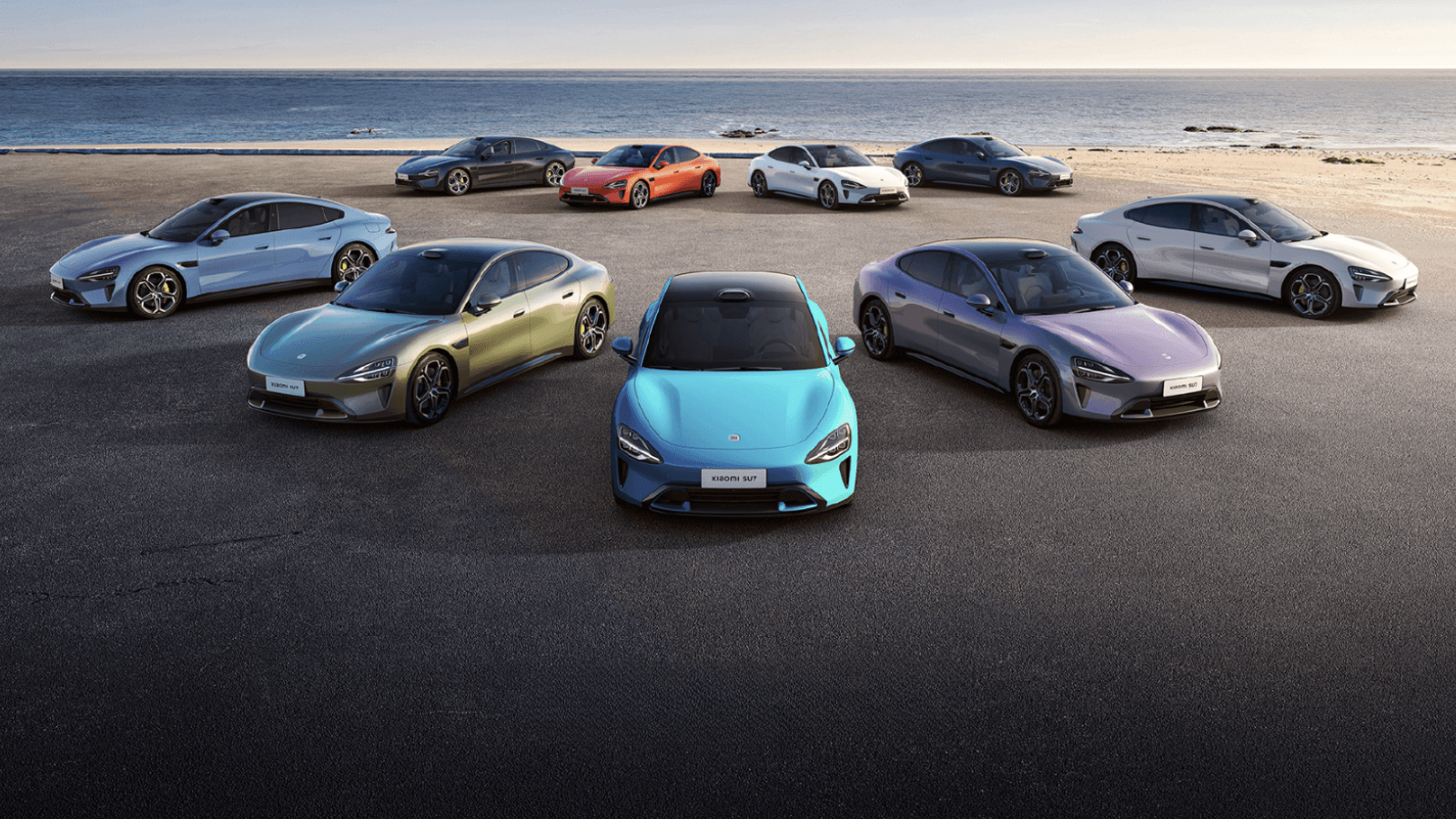
Xiaomi has made a remarkable entrance into the electric vehicle (EV) market, selling over 200,000 units of its SU7 model since deliveries commenced in March 2024. The company initially aimed to deliver 76,000 units in its first year but exceeded expectations by closing the year with an impressive 136,854 units sold. This achievement is particularly noteworthy as it marks Xiaomi’s inaugural foray into the automotive sector.
The SU7 has not only captured the attention of consumers in China but has also garnered praise from industry leaders, including Ford’s CEO Jim Farley, despite the model not being available in the U.S. market. The SU7’s success is underscored by its ability to outpace the sales of established automakers like Ford and GM in the EV segment.
Market Comparison
In 2024, Ford’s only EV offering in China is the Mustang Mach-E, which sold a mere 999 units. General Motors, while performing better overall in China with 69,403 units sold across its Buick, Cadillac, and Chevrolet brands, still falls short compared to Xiaomi’s SU7 sales. It’s important to note that GM’s partnerships with Baojun and SAIC-Wuling significantly boost its overall numbers, but under its own brands, the performance is not as robust.
In the U.S., Ford reported sales of just over 97,000 EVs, including popular models like the Mustang Mach-E and F-150 Lightning. GM followed closely with 114,400 units sold. However, Xiaomi’s sales figures in China have surpassed those of many global automakers, including Audi, BMW, and Toyota, highlighting the intense competition in the EV market.
| Automaker | Units Sold (2024) |
|---|
| Xiaomi SU7 | 136,854 |
| Ford Mustang Mach-E | 999 |
| GM (Buick, Cadillac, Chevrolet) | 69,403 |
| Ford (U.S. Total) | 97,000+ |
| GM (U.S. Total) | 114,400 |
Future Prospects
Xiaomi’s entry into the EV market signifies a pivotal shift in the automotive landscape. The SU7, with its competitive pricing starting at under $30,000, has resonated with consumers, leading to a backlog of 150,000 orders for delivery. Limited production trims, such as the SU7 Pro, have already sold out for the remainder of 2025, showcasing the model’s high demand.
Xiaomi’s rapid growth in the EV sector also highlights the challenges faced by traditional automakers. With over 130 EV brands vying for market share in China, innovation and consumer appeal are more critical than ever. As Xiaomi prepares to launch its next model, the YU7, the potential for further success looms large. If Xiaomi can navigate the complexities of entering the U.S. market, it may pose a significant threat to established domestic brands.
Frequently Asked Questions
▶ What is the Xiaomi SU7?
The Xiaomi SU7 is the company’s first electric vehicle, launched in 2024, which has achieved significant sales success in China.
▶ How many units of the SU7 have been sold?
Over 200,000 units of the SU7 have been sold since its launch in March 2024.
▶ How does Xiaomi’s sales compare to Ford and GM?
Xiaomi’s SU7 outsold Ford’s Mustang Mach-E and GM’s combined sales of Buick, Cadillac, and Chevrolet EVs in China for 2024.