Table of Contents
The Widespread Adoption of NACS
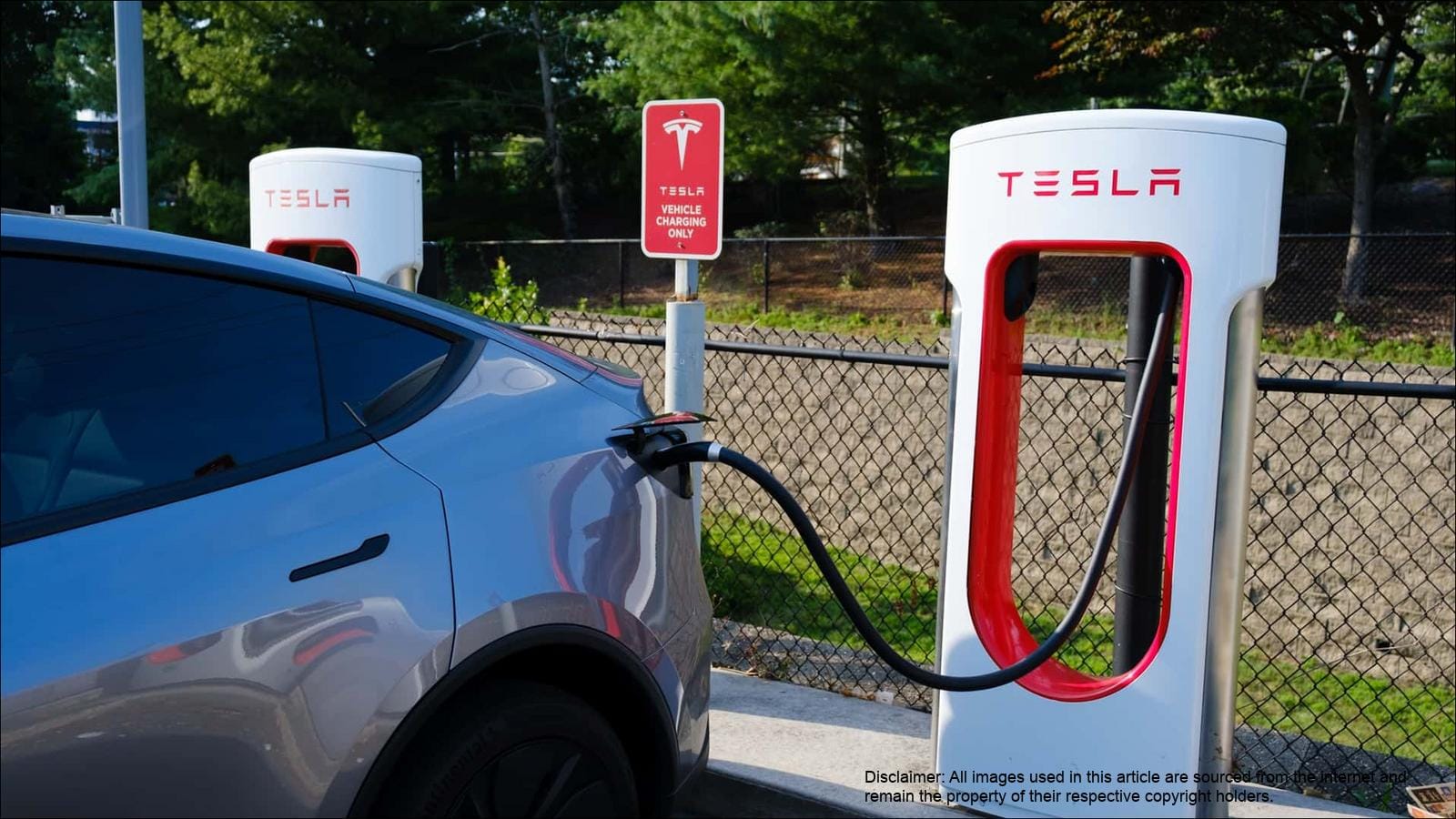
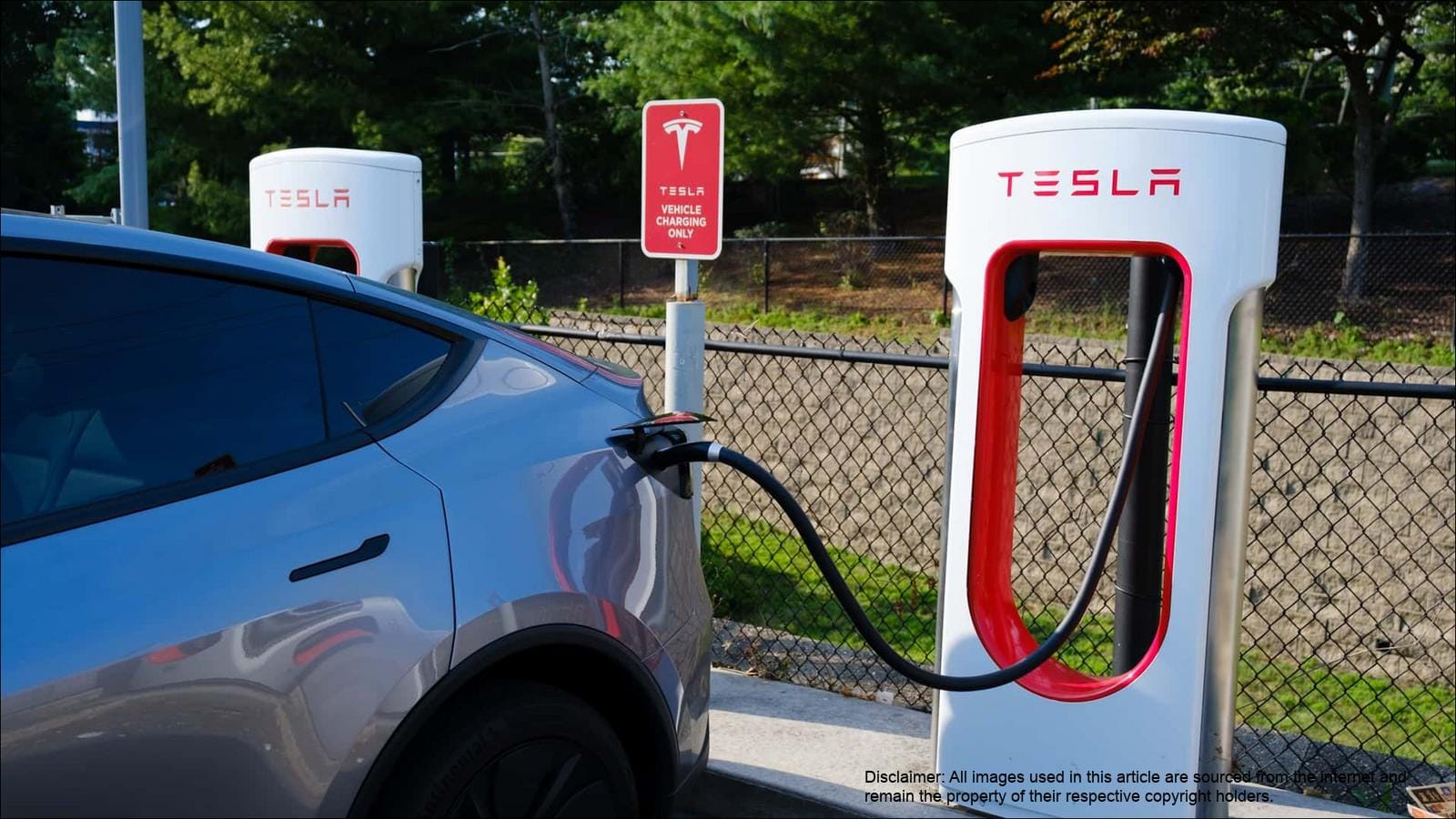
In 2023, Ford’s decision to adopt Tesla’s charging standard, known as NACS (North American Charging Standard), marked a pivotal moment for the electric vehicle (EV) landscape in the United States. This move was quickly followed by other major automakers, effectively granting their customers access to Tesla’s extensive and reliable Supercharger network. The Tesla Supercharger network has long been considered the “gold standard” in EV charging due to its widespread availability and reliability, making it a crucial asset for EV owners, especially those undertaking long journeys.
The significance of this industry-wide shift cannot be overstated. By adopting NACS, automakers are aiming to alleviate range anxiety, one of the primary concerns for potential EV buyers. Access to a vast and dependable charging network like Tesla’s makes owning an EV a more practical and appealing option, potentially accelerating the transition from gasoline-powered vehicles to electric ones. This collaboration signifies a step towards a unified charging infrastructure, which is essential for the long-term growth and sustainability of the EV market.
Tariffs Threaten to Increase EV Adapter Costs
However, this progress faces a potential hurdle in the form of international trade tensions. The NACS-to-CCS adapters, essential for allowing non-Tesla EVs to utilize Tesla Superchargers, are now caught in the crossfire of tariffs between the United States and China. Christopher Maiwald, CEO of Lectron, a key supplier of charging equipment, revealed that these adapters are manufactured in China. The U.S. has imposed significant tariffs on Chinese goods, and China has retaliated with tariffs on American imports. This situation threatens to increase the cost of these adapters, potentially impacting EV adoption and affordability.
The tariffs in question are substantial. The U.S. has placed tariffs as high as 104% on Chinese goods, while China has responded with tariffs up to 84% on American imports. These tariffs directly affect the cost of manufacturing and importing the NACS adapters. For EV owners, this could translate to higher prices for a necessary accessory, diminishing some of the cost benefits associated with electric vehicle ownership. The $200 Ford-branded NACS adapter, readily available online, may soon become more expensive if these tariffs remain in place.
| Country | Tariff Rate | Impact on NACS Adapters |
|---|---|---|
| China (to US) | 125% | Increased adapter costs for US consumers |
| United States (to China) | 84% | Potential increase in raw material costs |
Lectron’s Strategy Amidst Trade Tensions
In response to these escalating tariffs, Lectron is exploring alternative manufacturing locations. The company plans to shift some of its production to Vietnam by the third quarter of the year. However, this strategy is also complicated by the fact that the U.S. has imposed a 46% tariff on goods from Vietnam. These tariffs create a complex and challenging environment for Lectron, requiring them to carefully navigate international trade policies to maintain competitive pricing.
Christopher Maiwald also raised concerns about the potential impact on the cost of raw materials. “Even if the adapter is assembled in China, some of the resins that we use to make the plastic come from an American supplier,” Maiwald stated. “Are those going to become more expensive now, too?” This highlights the interconnectedness of global supply chains and the potential for tariffs to create a ripple effect, increasing costs across various stages of production.
High Demand and Supply Chain Challenges
Despite being a seemingly simple piece of equipment, the NACS adapter has become a highly sought-after item. The initial rollout faced limited supply, leading to a surge in demand. Ford and Rivian EV owners eagerly awaited their adapters to gain access to the Tesla Supercharger network for convenient road trips. Early batches of Tesla-made adapters were also reported to be faulty, prompting Ford to advise its customers to halt their use until replacements were provided. This situation further underscored the need for a diversified and reliable supply chain, leading Ford to bring Lectron on board as a supplier.
The pressure on adapter suppliers was immense during this period. As Maiwald noted, “When you have people live tweeting ‘Where’s my adapter?’ 20 times a day, it’s a lot of pressure.” This intense demand highlights the critical role these adapters play in enabling EV owners to fully utilize their vehicles and access the expanding charging infrastructure. The current trade tensions and potential cost increases could exacerbate these supply chain challenges and further strain the availability of these essential accessories.