• 13850 CENTRAL AVE, CHINO CA
  • Help@evcube.net
  • Help@evcube.net

$0.00 0

Cart

No products in the cart.

EV Batteries Outlast Most Cars: Tesla Model 3 Proves It


The Surprising Longevity of EV Batteries

One of the most promising aspects of modern electric vehicles (EVs) is the remarkable longevity of their batteries. This durability suggests that EVs, once initial production and design challenges are overcome, have the potential to be significantly more reliable than traditional internal-combustion engine (ICE) cars. The extended lifespan of EV batteries is not just a theoretical concept; it’s being demonstrated in real-world conditions, offering a glimpse into a future where powertrain longevity is a standard expectation rather than a luxury.

The key to understanding this longevity lies in how EV batteries degrade over time. The degradation process typically follows a curve where the most significant capacity loss occurs in the early stages of the battery’s life. However, after this initial period, the rate of degradation slows dramatically, leading to a much more stable performance over the long term. This characteristic makes EV batteries a durable and reliable component of the vehicle.

Battery Age/MileageTypical DegradationExpected Range Retention
First 1-2 Years / 0-20,000 MilesUp to 10%90-95%
After 2 Years / 20,000+ MilesSignificantly Slower85-90%+


Tesla Model 3: A Real-World Endurance Test

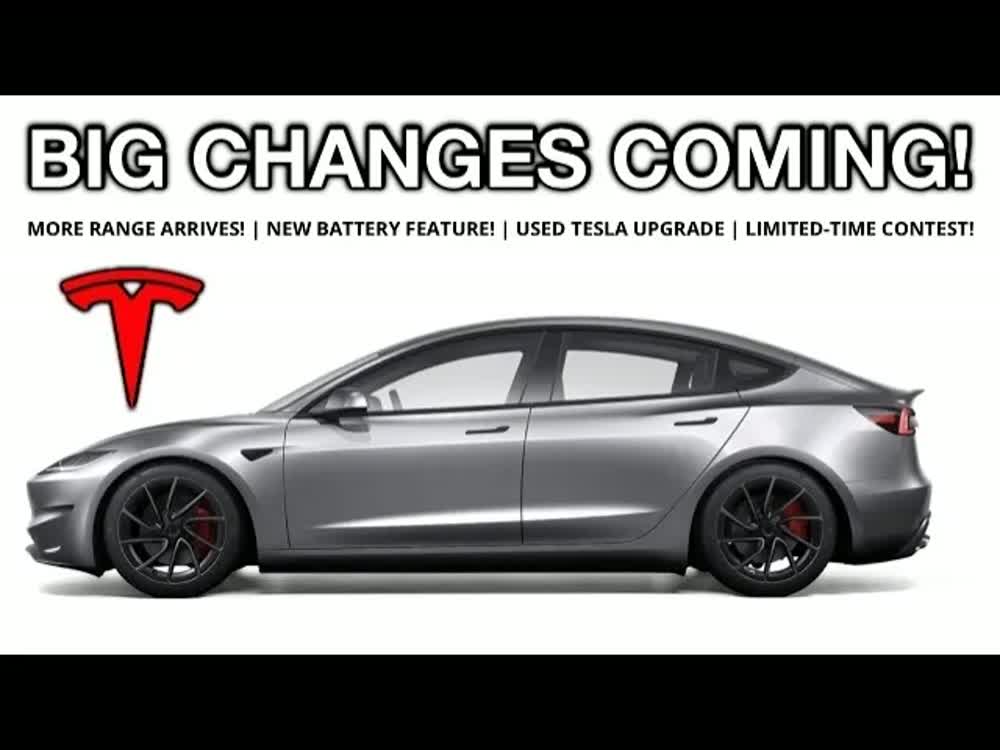
A compelling example of EV battery durability comes from a video analysis by RSEV, which compares two Tesla Model 3 vehicles with vastly different usage profiles. The study highlights the resilience of EV batteries under extreme conditions, providing valuable insights into their long-term performance.

The video compares a 3-year-old red Tesla Model 3 with only 2,995 miles to a blue Model 3 that has clocked an impressive 217,500 miles. The blue car, used as a taxi, endured a significantly harsher life, characterized by extensive mileage and frequent fast-charging sessions. Despite these demanding conditions, the high-mileage Tesla Model 3 demonstrated remarkable battery health, retaining 88.5% of its original battery capacity and still offering over 300 miles of real-world range. This performance is particularly noteworthy when considering that 217,500 miles is equivalent to the average American driving for approximately 16 years.

VehicleMileageBattery Capacity RetentionReal-World Range
Red Tesla Model 32,995 miles99.5%Original Range
Blue Tesla Model 3 (Taxi)217,500 miles88.5%Over 300 miles


The Future of EV Reliability

The demonstrated longevity and reliability of EV batteries offer a promising outlook for the future of electric vehicles. As automakers continue to refine their EV technology and address initial quality issues, the overall reliability of EVs is expected to surpass that of traditional internal-combustion engine (ICE) cars.

One of the key factors contributing to the potential for enhanced reliability is the relative simplicity of EV powertrains compared to ICE powertrains. EVs have fewer moving parts, reducing the likelihood of mechanical failures and the need for extensive maintenance. Additionally, the robustness of EV batteries, as demonstrated by the Tesla Model 3 case study, suggests that the powertrain in EVs can be reliably expected to last for at least 200,000 miles, a benchmark that only certain brands and vehicles currently achieve without significant repairs.

While early models like the Tesla Model 3 faced quality control challenges, the company’s continuous improvements in build quality are encouraging. Newer models are proving to be exceptionally durable, capable of withstanding high mileage without the typical wear and tear associated with older vehicles. This trend indicates that as the EV industry matures and manufacturers gain more experience, the reliability of electric vehicles will continue to improve, making them a more dependable and sustainable transportation option.


Frequently Asked Questions


How long do EV batteries typically last?

EV batteries are designed to last longer than most cars. Many are expected to retain a significant portion of their capacity (80% or more) after 100,000 to 200,000 miles.


What factors affect EV battery degradation?

Factors include:

  • ✅ Frequent fast charging
  • ✅ Extreme temperatures
  • ✅ High state of charge (SOC) for extended periods


Is battery replacement a common issue in EVs?

No, battery failure is uncommon and even rarer. Most EV batteries are designed to outlast the vehicle itself.


How does the Tesla Model 3 battery perform over high mileage?

As demonstrated by the RSEV video, a Tesla Model 3 used as a taxi with 217,500 miles retained 88.5% of its original battery capacity and still offered over 300 miles of real-world range.


Are EVs more reliable than internal-combustion cars?

EVs have the potential to be more reliable due to fewer moving parts in the powertrain. As automakers address initial quality issues, the overall reliability of EVs is expected to surpass that of traditional ICE cars.

    Comments are closed

    Search

    Follow us

    Have any questions?

    • help@evcube.net
    • +1 (510)-878-5951
    level 2 ev charger charging at home,tesla charger for home charging

    Safe

    level 2 ev charger charging at home,tesla charger for home charging

    Speed

    level 2 ev charger charging at home,tesla charger for home charging

    Stylish

    level 2 ev charger charging at home,tesla charger for home charging

    Save

    level 2 ev charger charging at home,tesla charger for home charging

    Smart

    level 2 ev charger charging at home,tesla charger for home charging

    Suitablility

    Tesla Redesigns Doors for Emergency Safety

    Table of Contents 1. Introduction: Tesla's Door Handle Redesign 2. NHTSA Investigation and Safety Concerns 3. Details of the New Door Release Design 4. Global Regulatory Landscape 5. FAQ Introduction:…
    Read more

    Lyft Teams With Waymo to Catch Uber

    Table of Contents 1. Lyft's Pursuit of Autonomous Vehicles 2. The Waymo-Lyft Collaboration: A Game Changer? 3. Uber's Autonomous Driving Initiatives 4. Nashville as the Launchpad for Robotaxis 5. FAQ…
    Read more

    Hyundai’s 600-Mile EREV: 2027 Game Changer

    Table of Contents 1. Hyundai's Electrified Future: The 2027 EREV Launch 2. Understanding Extended Range Electric Vehicles (EREVs) 3. Hyundai's Unique EREV Strategy and Genesis Expansion 4. EREVs in the…
    Read more

    Tesla Redesigns Doors for Emergency Safety

    Table of Contents 1. Introduction: Tesla's Door Dilemma 2. The Proposed Design Change: A Unified Approach 3. NHTSA Investigation and Regulatory Scrutiny 4. Global Impact and Future Solutions 5. FAQ…
    Read more

    BMW: Gas Engines Will Never Die

    Table of Contents 1. BMW's Dual-Track Strategy: EVs and Combustion Engines 2. Market Dynamics Driving BMW’s Decision 3. The Future of BMW Platforms: A Diverse Approach 4. FAQ 1. BMW's…
    Read more

    Tesla FSD vs NYC Chaos: Robotaxi Test

    Table of Contents 1. Introduction: The Tesla Robotaxi Challenge in NYC 2. Navigating NYC with Tesla's Full Self-Driving 3. Tesla's Vision-Based Autonomy vs. the Competition 4. FSD Beyond NYC: Suburban…
    Read more
    evcubnb level 2ev charer,tesla charger,home charger,50a charger,nema 14-50charger

    Any Charging Problem?
    Let Us Know 24/7

    • 13850 CENTRAL AVE, CHINO CA
    • help@evcube.net
    ©2022 EVCUBE - All rights reserved