Table of Contents
1. Introduction: BYD Sealion 7 vs. Tesla Model Y
The electric SUV market in Europe is becoming increasingly competitive, with manufacturers vying for a piece of the pie. Among the contenders is the Chinese automaker BYD, with its Sealion 7, a direct rival to the ubiquitous Tesla Model Y. While the Tesla Model Y has set a high benchmark, the BYD Sealion 7 aims to offer a compelling alternative, particularly for those who prefer a more traditional automotive design and user experience. This article delves into a detailed comparison of these two electric SUVs, examining their design, features, performance, practicality, and overall value proposition. The goal is to provide potential buyers with a comprehensive overview to make an informed decision.
2. Design and Features: A Detailed Comparison
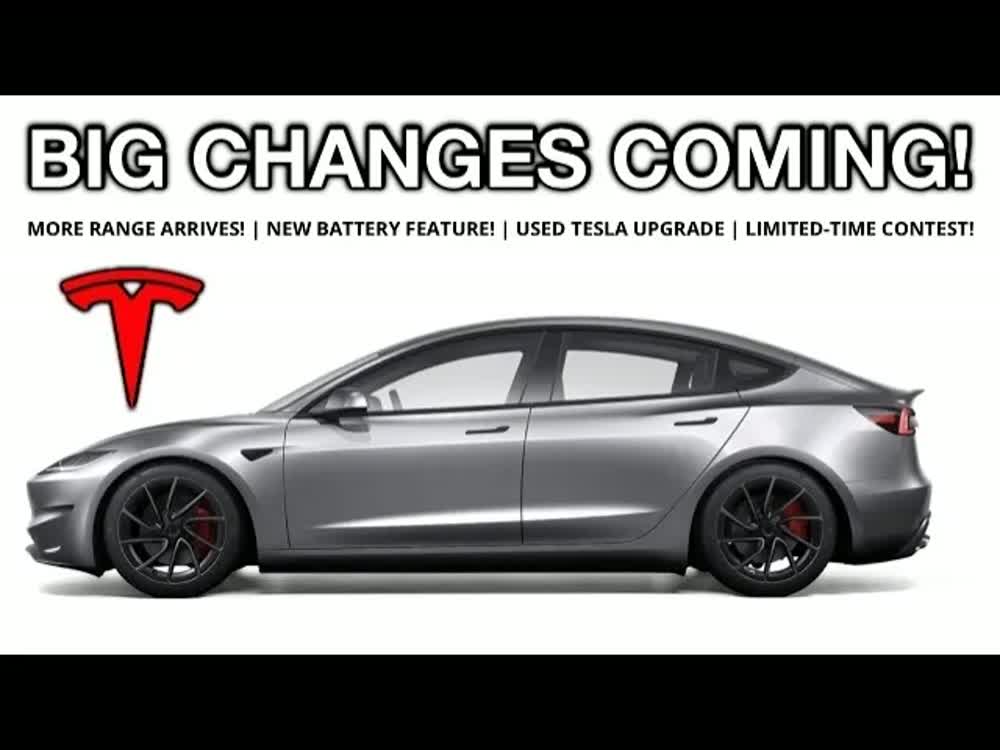
The design philosophies of the BYD Sealion 7 and the Tesla Model Y diverge significantly, catering to different aesthetic preferences. The Tesla Model Y, especially after its “Juniper” update, boasts a minimalist and futuristic design. The revamped interior features a cleaner layout, improved materials, and a more comfortable suspension setup, addressing previous criticisms about ride quality. The exterior redesign includes a sleeker front end and distinctive rear light clusters, enhancing its overall appearance and making it look less like a stretched Model 3.
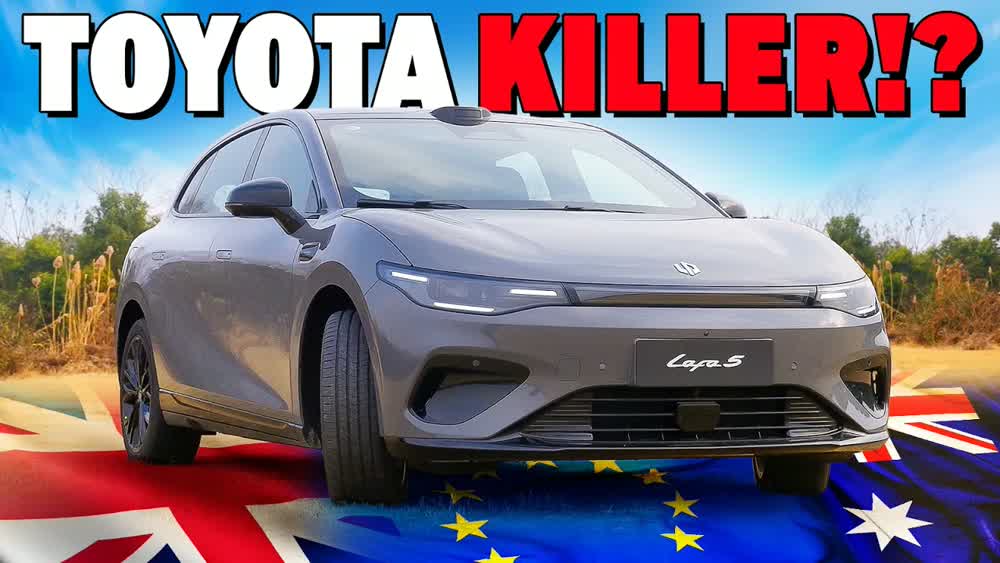
In contrast, the BYD Sealion 7 adopts a more conventional approach. Its exterior design is unmistakably Asian, with a bold front fascia and a generally less polarizing aesthetic. Inside, the Sealion 7 offers a rotating screen and physical controls for many functions, a feature absent in the Model Y, which relies heavily on touchscreen-based controls. This combination of digital and physical interfaces may appeal to drivers who find Tesla’s minimalist approach too austere. The interior design of the Sealion 7 features swooping lines and a more visually engaging theme, arguably more successful than its exterior styling. Furthermore, the Sealion 7’s door handles are mechanically linked, retracting for aerodynamic efficiency but allowing manual operation, potentially avoiding issues associated with fully electronic systems in case of battery depletion.

3. Performance and Practicality: Where Each Car Shines
When it comes to practicality, the Tesla Model Y generally outperforms the BYD Sealion 7. While the Sealion 7 offers slightly better comfort for three passengers in the second row due to its wider rear seating, the Model Y compensates with a larger trunk and frunk (front trunk), providing significantly more cargo space. The Model Y’s spaciousness allows it to be offered with an optional third row of seats in some markets, a feature the Sealion 7 cannot accommodate.
In terms of performance, the Tesla Model Y also holds an edge. While specific performance figures were not detailed in the original text, it’s generally understood that Tesla vehicles offer brisk acceleration and responsive handling. Mat Watson from Carwow’s video likely highlighted these aspects, showcasing the Model Y’s superior driving dynamics. The updated suspension in the Model Y further enhances the driving experience, providing a balance of comfort and agility.
4. Charging and Efficiency: A Technical Deep Dive
The Tesla Model Y demonstrates superior range and charging efficiency compared to the BYD Sealion 7. The Model Y boasts a longer claimed and real-world range. In Europe, the longest-range Model Y is rated at 386 miles (622 km) WLTP. Despite the BYD Sealion 7 having a larger 91.3 kWh battery pack compared to the Model Y’s 75 kWh, it only achieves a range of 312 miles (502 km) on a single charge.
Interestingly, while the BYD Sealion 7 operates on an 800-volt architecture, which typically allows for faster charging, the Tesla Model Y, running on a 400-volt system, exhibits higher maximum charging power, quicker charging times, and better overall operating efficiency. This suggests that Tesla’s engineering and battery management system are more refined, allowing it to extract more performance from a smaller battery and lower voltage system.
| Feature | Tesla Model Y | BYD Sealion 7 |
|---|---|---|
| Battery Capacity (kWh) | 75 | 91.3 |
| Range (WLTP) | 386 miles (622 km) | 312 miles (502 km) |
| Voltage | 400V | 800V |
5. Conclusion: The Verdict and a Look at the Competition
In conclusion, while the BYD Sealion 7 offers a more traditional design and user experience, the Tesla Model Y generally outperforms it in key areas such as practicality, range, and charging efficiency. Moreover, the Tesla Model Y is often priced competitively, making it an even more compelling choice. The BYD Sealion 7 might appeal to buyers who prioritize a conventional interior layout with physical controls and a less futuristic exterior, but the Model Y presents a stronger overall package.
However, the electric SUV market is dynamic, with new entrants constantly emerging. The author mentions the Zeekr 7X as a potential contender, positioned at a slightly higher price point but offering a more luxurious experience with features like powered doors and a more sophisticated design. As the EV landscape evolves, consumers will have an increasing array of choices, each with its unique strengths and weaknesses. The BYD Sealion 7 is certainly a viable alternative in the electric SUV segment, particularly for those seeking a departure from Tesla’s minimalist approach. The Tesla Model Y remains a top choice, but it’s important to consider alternatives like the Zeekr 7X to make a fully informed decision.