Table of Contents
Production Halt at Ulsan Plant
Hyundai Motor is reportedly pausing the production of its popular electric vehicles, the Hyundai Ioniq 5 and Kona EV, at its Ulsan plant in South Korea. According to the Yonhap news agency, which cited industry sources, this temporary shutdown is scheduled to begin on April 24 and will affect one of the plant’s production lines for a week. The primary reason behind this decision is attributed to weakening demand in key markets, including Europe, Canada, and the United States. This marks the second time this year that the Ulsan plant has faced a production pause, with a similar five-day suspension occurring in February due to insufficient demand.
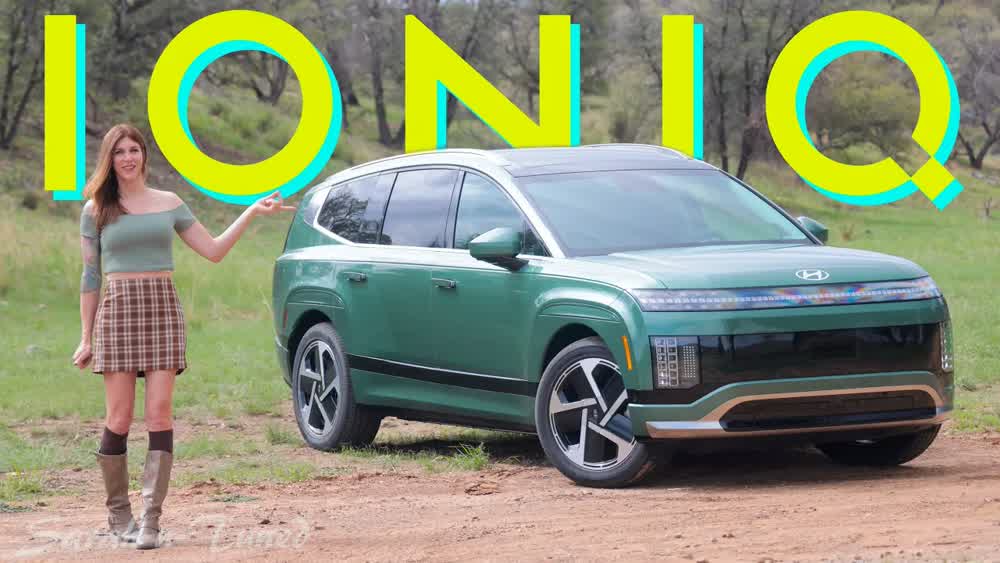
While the Ioniq 5 is also assembled at Hyundai’s Metaplant in Georgia, alongside the upcoming Ioniq 9 SUV, the Kona EV is primarily shipped from the Ulsan plant to various global markets, including the United States. This makes the Ulsan plant a critical export hub for Hyundai’s electric vehicle lineup. The decision to halt production underscores the challenges automakers face in navigating fluctuating market demands and the evolving landscape of the electric vehicle industry.
Market Performance and Sales Data
The market performance of Hyundai’s EVs has been varied across different regions. In Europe, the Ioniq 5 and Ioniq 6 struggled to break into the top 20 best-selling EVs last year. However, the Kona Electric performed relatively better, securing the 14th position with 36,450 units sold. This suggests that while larger, more expensive models faced headwinds, the more affordable Kona EV maintained a degree of popularity.
In contrast, Hyundai experienced more success in the United States. Sales of the Ioniq 5 reached 44,400 units, marking a 31% increase year-over-year. The Ioniq 6, however, saw a 6% decrease in sales, with 12,264 units sold. Hyundai does not provide separate sales figures for the electric and combustion engine versions of the Kona in the US market, making it difficult to assess the specific performance of the Kona EV in this region.
| Model | Region | Sales Figures | Change YOY |
|---|---|---|---|
| Ioniq 5 | United States | 44,400 | +31% |
| Ioniq 6 | United States | 12,264 | -6% |
| Kona Electric | Europe | 36,450 | N/A |
Factors Influencing EV Demand
Several factors contribute to the fluctuating demand for electric vehicles. In Europe, the EV market experienced a slight decline in 2024, partly due to governments reducing or eliminating EV subsidy programs. This reduction in financial incentives can significantly impact consumer purchasing decisions, especially in the early stages of EV adoption.
Other factors, such as the EV fires that made headlines in Korea last year, may have also played a role in dampening consumer confidence in EV technology. These incidents can raise concerns about safety and reliability, potentially influencing potential buyers to delay or reconsider their EV purchase. To counter these challenges, Hyundai has implemented various sales incentives, including zero-interest financing in North America and down payment assistance in markets like Germany and the United Kingdom. However, according to Yonhap’s sources, these efforts have not been as effective as the company had hoped.
Furthermore, external factors such as tariffs on imported cars can also influence pricing and demand. Hyundai assured its US customers that it would not raise prices until June 2, following the Trump administration’s imposition of a 25% tariff on imported cars, which was subsequently postponed for 90 days. These external economic factors add another layer of complexity to the EV market, requiring automakers to remain agile and responsive to changing conditions.