• 13850 CENTRAL AVE, CHINO CA
  • Help@evcube.net
  • Help@evcube.net

$0.00 0

Cart

No products in the cart.

Hyundai’s Bold Tariff Strategy & Auto Industry Shake-Up


Hyundai’s Bold Strategy: ‘Sell Like Hell’

In the face of potential tariffs shaking the auto industry, Hyundai is projecting an image of unwavering confidence. While other automakers express concerns, Hyundai’s North American CEO, Randy Parker, is taking a proactive approach, summarized by his straightforward strategy: “Sell like hell.” This isn’t just a motivational sound bite; it’s a clear indication of Hyundai’s determination to maintain its growth trajectory despite economic headwinds.

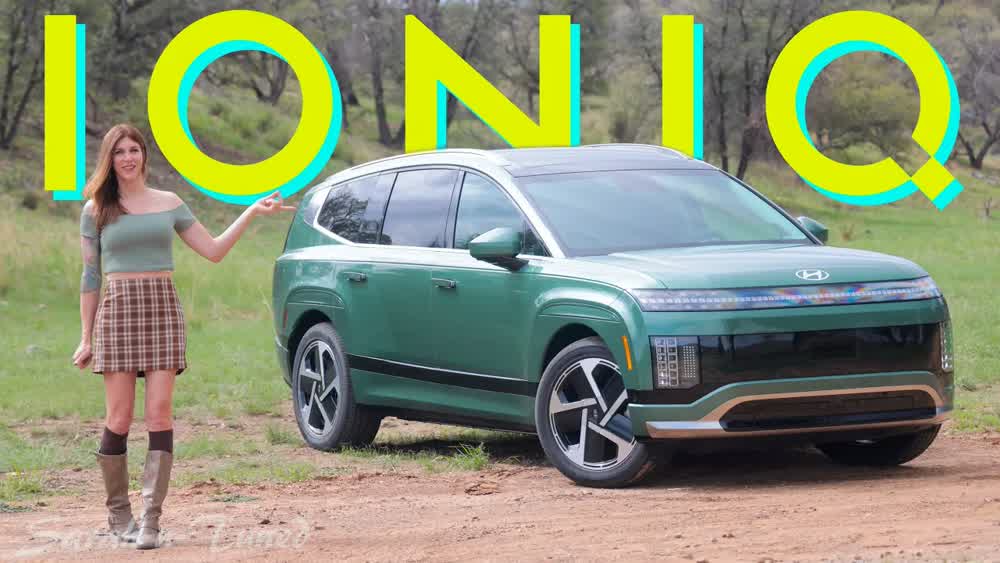
Hyundai Vehicle

Parker emphasized this commitment at the J.D. Power Auto Forum, stating that Hyundai aims for a fifth consecutive year of record sales, regardless of tariffs. The company’s recent performance supports this ambition. In 2024, Hyundai achieved 836,802 U.S. sales, a 4.4% increase from 2023, with electric vehicles contributing significantly to this growth, accounting for 8% of total sales. Hyundai’s strategy includes absorbing tariff-related increases until at least June 2nd through its Customer Assurance Program, demonstrating a near-term commitment to price stability for consumers.

Investing in U.S. Manufacturing

Hyundai’s commitment extends beyond sales targets. The company has pledged $21 billion to bolster its U.S. manufacturing capabilities. This investment will support domestic production, including a local steel mill in Louisiana and expanded operations at its EV and battery plant in Georgia. These efforts aim to increase Hyundai’s local production rate by approximately 20%, reaching 1.2 million vehicles annually, with 500,000 being either battery electric vehicles (BEVs) or hybrids. By increasing domestic production, Hyundai aims to mitigate the impact of tariffs and maintain its competitive edge in the U.S. market.

YearU.S. SalesGrowth RateEV Sales Share
2023801,195N/A
2024836,8024.4%8%


UAW’s Stance: Automakers Should Absorb Tariffs

While some automakers grapple with the potential impact of tariffs, the United Auto Workers (UAW) union, led by President Shawn Fain, has taken a firm stance: automakers should absorb the costs. Fain argues that given the industry’s recent years of high profits, companies can afford to protect the U.S. economy by absorbing the new 25% tariffs, especially on parts originating from China. This position puts automakers in a challenging situation, potentially impacting their financial strategies and labor negotiations.

United Auto Workers

UAW’s Argument for Absorbing Tariffs

Fain addressed the issue in a public statement, emphasizing the need to end what he describes as a “free trade disaster.” He criticized companies for exploiting workers in countries with low wages and lax labor laws to maximize profits. According to Fain, tariffs are a necessary tool to combat this exploitation and protect American jobs. He stated that while tariffs should be well-designed and paired with other policies, they are a crucial first step in stopping the “bleeding” caused by unfair trade practices. The UAW’s perspective is rooted in the belief that tariffs can help level the playing field and ensure fair competition.

Financial Justification and Strategic Implications

The UAW’s demand is supported by the substantial cash reserves held by major automakers. At the end of 2024, GM had $27.1 billion in cash reserves, Ford had $38.4 billion, and Stellantis had $38.6 billion. The UAW’s public callout serves as a reminder of these financial resources, challenging automakers to prioritize economic stability over maximizing profits. This stance puts automakers on the defensive. Raising prices or cutting production in response to tariffs could be perceived as greedy, while absorbing the costs could impact future wage negotiations and potentially garner support for more extensive tariffs from political allies. The UAW’s position creates a complex and potentially unsustainable situation for automakers, requiring careful navigation of financial and political pressures.


VW CEO Defends Scout’s Direct-to-Consumer Model

Volkswagen’s decision to have its EV spinoff, Scout Motors, adopt a direct-to-consumer sales model has stirred controversy among dealers. This model bypasses traditional dealerships, cutting them out of sales revenue. VW Group of America CEO Kjell Gruner has addressed these concerns, defending Scout’s autonomy and its right to choose its business model. Gruner’s stance highlights the evolving landscape of auto sales and the challenges of balancing traditional dealer networks with modern, direct sales approaches.

Scout Motors

Gruner’s Defense of Scout’s Independence

Speaking at the New York Automotive Forum, Gruner reiterated that Scout Motors is an independent entity within the Volkswagen Group. He emphasized that Scout has the autonomy to make its own decisions regarding suppliers and go-to-market strategies. This defense comes as Scout prepares to launch its electric pickup and SUV in 2027, amidst legislative pushback against direct-to-consumer sales models. Gruner’s position underscores VW’s commitment to allowing Scout to operate as a separate brand with its own strategic vision.

Balancing Dealer Relations and Modern Sales Models

Gruner acknowledged the concerns of dealers, stating that he understands their perspective. He also expressed his preference for “win-win” scenarios, recognizing the importance of successful and profitable dealerships for VW’s overall business. Gruner’s experience as Rivian’s chief commercial officer, a company known for its direct-to-consumer model, likely informs his understanding of the benefits and challenges of this approach. While supporting Scout’s autonomy, Gruner’s comments suggest a cautious approach, leaving open the possibility of future collaboration with dealerships, similar to how Polestar is adapting its sales strategy. This balanced approach reflects the complexities of navigating the evolving auto retail landscape.


The Evolving Dealership Model

The traditional dealership model is at a crossroads. While some customers value the personal touch and expertise offered by dealerships, others are drawn to the convenience and transparency of online car buying. The rise of direct-to-consumer sales models, pioneered by companies like Tesla and Rivian, is challenging the established norms and forcing automakers to rethink their retail strategies. The future of dealerships will likely involve a hybrid approach, blending the benefits of online and offline experiences to cater to a diverse range of customer preferences.

Car Dealership

The Shift Towards Contactless Buying

The shift towards contactless buying is driven by changing consumer expectations. Younger buyers, in particular, are accustomed to online shopping and expect a seamless, digital experience when purchasing a car. This includes the ability to browse inventory, compare prices, and secure financing online, without the need to visit a physical dealership. While some dealerships have adapted by offering online sales and home delivery, others have been slower to embrace these changes, potentially losing market share to more agile competitors.

The Role of Dealerships in the Future

Despite the rise of online car buying, dealerships are likely to remain an important part of the automotive ecosystem. Dealerships offer several advantages that online retailers cannot replicate, including the ability to test drive vehicles, receive personalized service, and obtain expert advice. In the future, dealerships may evolve into more experiential spaces, focusing on customer engagement and brand building rather than just sales. They may also play a crucial role in servicing and maintaining electric vehicles, which require specialized expertise and equipment. The key for dealerships will be to adapt to changing consumer preferences and offer a compelling value proposition that justifies their continued existence.


Frequently Asked Questions


How is Hyundai planning to mitigate the impact of tariffs?

Hyundai is employing a multi-faceted approach to mitigate the impact of tariffs, including:

  • Increasing U.S. Production: Investing $21 billion to expand domestic manufacturing capabilities.
  • Absorbing Tariff Costs: Implementing a Customer Assurance Program to absorb tariff-related increases until at least June 2nd.
  • Boosting Sales: Implementing an aggressive sales strategy, as emphasized by CEO Randy Parker’s “Sell like hell” approach.


What is the UAW’s rationale for automakers absorbing tariffs?

The UAW argues that automakers should absorb tariffs due to:

  • High Profitability: Automakers have experienced years of record-breaking profits, making them financially capable of absorbing the costs.
  • Ending Free Trade Disaster: Tariffs are seen as a tool to combat unfair trade practices and protect American jobs.
  • Protecting the U.S. Economy: Absorbing tariffs is viewed as a way to support the U.S. economy and prevent price increases for consumers.


Why is VW’s Scout Motors adopting a direct-to-consumer sales model?

Scout Motors is adopting a direct-to-consumer sales model because:

  • Independence: As an independent entity within the Volkswagen Group, Scout has the autonomy to choose its business model.
  • Modern Approach: Direct-to-consumer sales align with modern consumer preferences for online and seamless buying experiences.
  • Market Strategy: Scout aims to differentiate itself and appeal to a tech-savvy customer base through a direct sales approach.


What are the potential benefits and drawbacks of the direct-to-consumer model for automakers?

The direct-to-consumer model offers several potential benefits and drawbacks for automakers:

  • Benefits:
    • – Greater control over the customer experience.
    • – Direct access to customer data and feedback.
    • – Potential cost savings by bypassing traditional dealerships.
  • Drawbacks:
    • – Potential conflicts with existing dealer networks.
    • – Logistical challenges in providing test drives and after-sales service.
    • – Regulatory hurdles in some states that restrict direct sales.

    Comments are closed

    Search

    Follow us

    Have any questions?

    • help@evcube.net
    • +1 (510)-878-5951
    level 2 ev charger charging at home,tesla charger for home charging

    Safe

    level 2 ev charger charging at home,tesla charger for home charging

    Speed

    level 2 ev charger charging at home,tesla charger for home charging

    Stylish

    level 2 ev charger charging at home,tesla charger for home charging

    Save

    level 2 ev charger charging at home,tesla charger for home charging

    Smart

    level 2 ev charger charging at home,tesla charger for home charging

    Suitablility

    Tesla Redesigns Doors for Emergency Safety

    Table of Contents 1. Introduction: Tesla's Door Handle Redesign 2. NHTSA Investigation and Safety Concerns 3. Details of the New Door Release Design 4. Global Regulatory Landscape 5. FAQ Introduction:…
    Read more

    Lyft Teams With Waymo to Catch Uber

    Table of Contents 1. Lyft's Pursuit of Autonomous Vehicles 2. The Waymo-Lyft Collaboration: A Game Changer? 3. Uber's Autonomous Driving Initiatives 4. Nashville as the Launchpad for Robotaxis 5. FAQ…
    Read more

    Hyundai’s 600-Mile EREV: 2027 Game Changer

    Table of Contents 1. Hyundai's Electrified Future: The 2027 EREV Launch 2. Understanding Extended Range Electric Vehicles (EREVs) 3. Hyundai's Unique EREV Strategy and Genesis Expansion 4. EREVs in the…
    Read more

    Tesla Redesigns Doors for Emergency Safety

    Table of Contents 1. Introduction: Tesla's Door Dilemma 2. The Proposed Design Change: A Unified Approach 3. NHTSA Investigation and Regulatory Scrutiny 4. Global Impact and Future Solutions 5. FAQ…
    Read more

    BMW: Gas Engines Will Never Die

    Table of Contents 1. BMW's Dual-Track Strategy: EVs and Combustion Engines 2. Market Dynamics Driving BMW’s Decision 3. The Future of BMW Platforms: A Diverse Approach 4. FAQ 1. BMW's…
    Read more

    Tesla FSD vs NYC Chaos: Robotaxi Test

    Table of Contents 1. Introduction: The Tesla Robotaxi Challenge in NYC 2. Navigating NYC with Tesla's Full Self-Driving 3. Tesla's Vision-Based Autonomy vs. the Competition 4. FSD Beyond NYC: Suburban…
    Read more
    evcubnb level 2ev charer,tesla charger,home charger,50a charger,nema 14-50charger

    Any Charging Problem?
    Let Us Know 24/7

    • 13850 CENTRAL AVE, CHINO CA
    • help@evcube.net
    ©2022 EVCUBE - All rights reserved