Table of Contents
The Shifting Sands of Tesla Loyalty
Imagine your favorite burger joint suddenly revamped its entire operation. They fire the cooks, replace burgers with salads, only accept cryptocurrency, and play the same awful song on repeat. Unless you’re an Imagine Dragons-loving, salad-and-crypto enthusiast, you’d probably find a new favorite spot. This scenario mirrors the current situation with Tesla. Once a beacon of innovation and a status symbol, the brand is now facing a significant challenge: a decline in customer loyalty.
Tesla loyalty, once a hallmark of the brand, appears to be waning. The reasons are multifaceted, ranging from concerns about vehicle depreciation to the increasing saturation of Teslas in major metropolitan areas. According to Edmunds, this shift is contributing to a growing sense of disconnection among some long-time owners. The initial allure of owning a Tesla as a unique status symbol seems to be fading as the brand becomes more mainstream.
| Factor | Description |
|---|---|
| Depreciation Concerns | Rapid depreciation of used Tesla vehicles compared to ICE counterparts. |
| Market Saturation | Increased presence of Teslas in major metro areas diminishes exclusivity. |
| Alternative EVs | Availability of compelling EVs from other manufacturers. |
Decoding the Data: Trade-Ins and Market Trends
The numbers don’t lie: Tesla trade-ins have surged dramatically. Edmunds reports a staggering 250% year-over-year increase in Tesla trade-ins during the first quarter of 2025. This means that a significantly higher number of Tesla owners are opting to exchange their vehicles for alternatives.
Specifically, Tesla trade-ins accounted for 1.4% of all Model Year 2017 and newer cars traded in last month. While this might seem like a small percentage, it’s a substantial jump from the 0.4% recorded in March 2024. This increase indicates a notable shift in owner sentiment and behavior. Furthermore, data suggests that fewer car shoppers are considering Tesla as their next new vehicle purchase. Consideration rates fell to just 1.8% in February, the lowest since October 2022. This decline in shopping interest is a worrying sign for the brand.
| Metric | March 2024 | March 2025 | Change |
|---|---|---|---|
| Tesla Trade-ins (% of total) | 0.4% | 1.4% | +250% |
| Consideration Rate (Feb) | N/A | 1.8% | Lowest since Oct 2022 |
The Road Ahead: Challenges and Uncertainties for Tesla
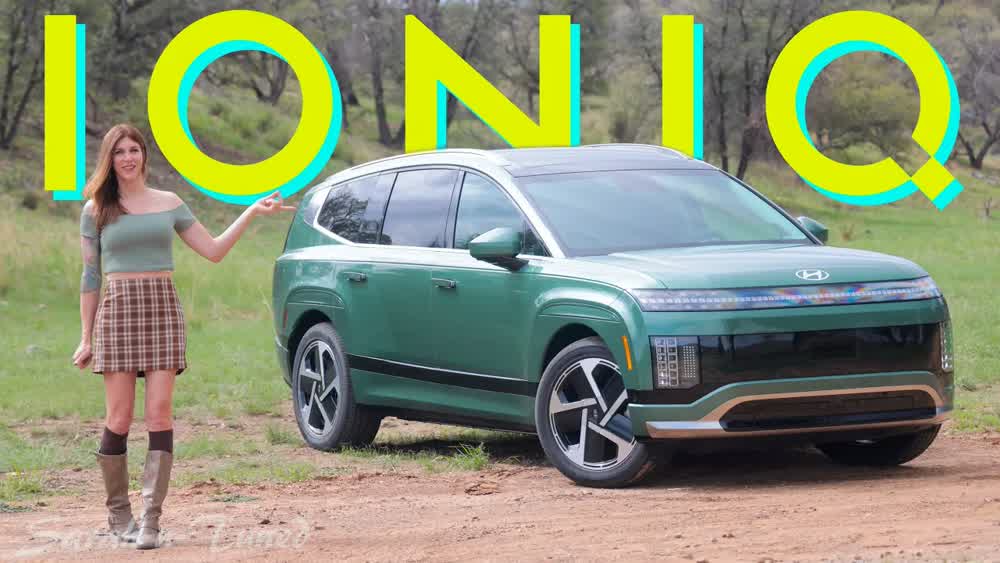
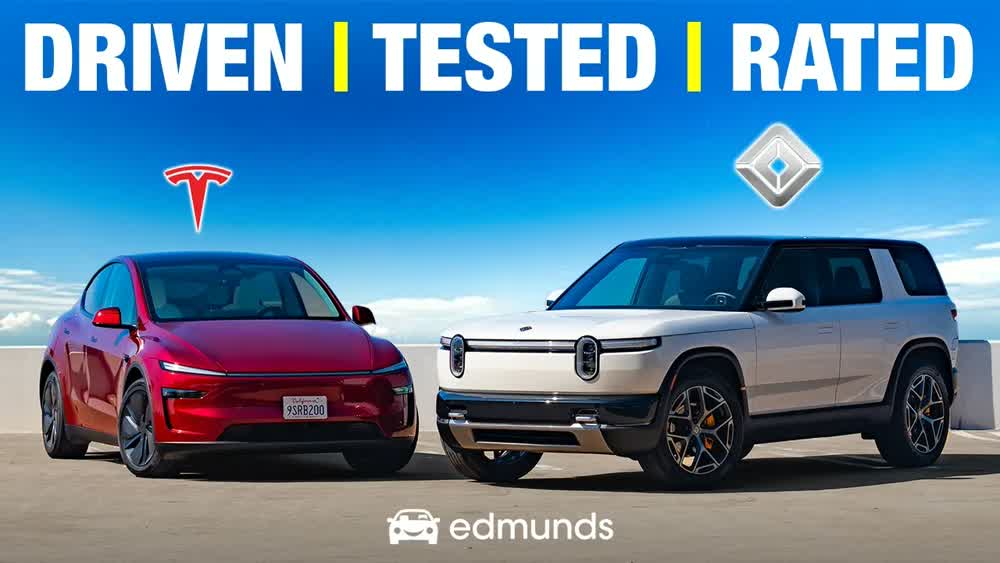
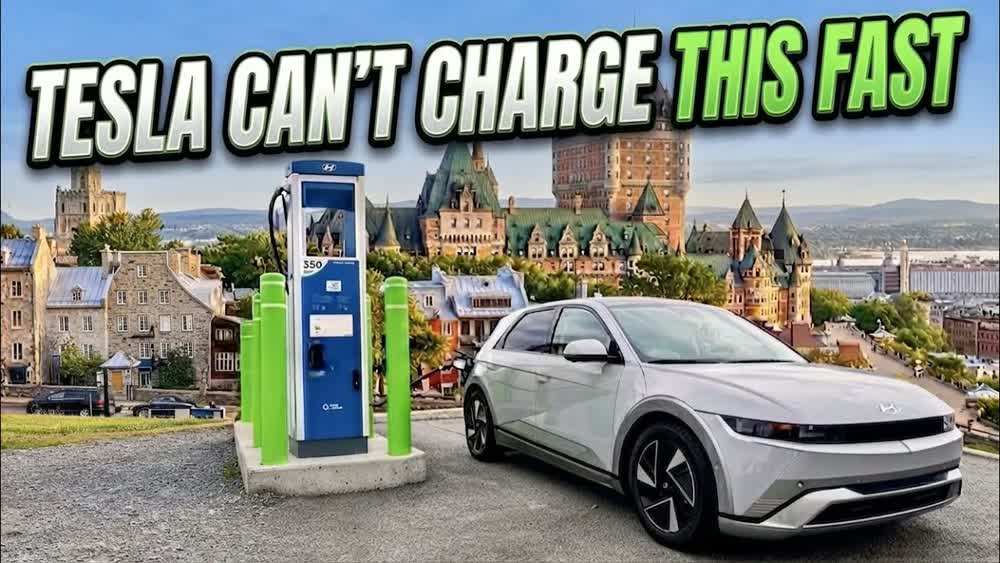
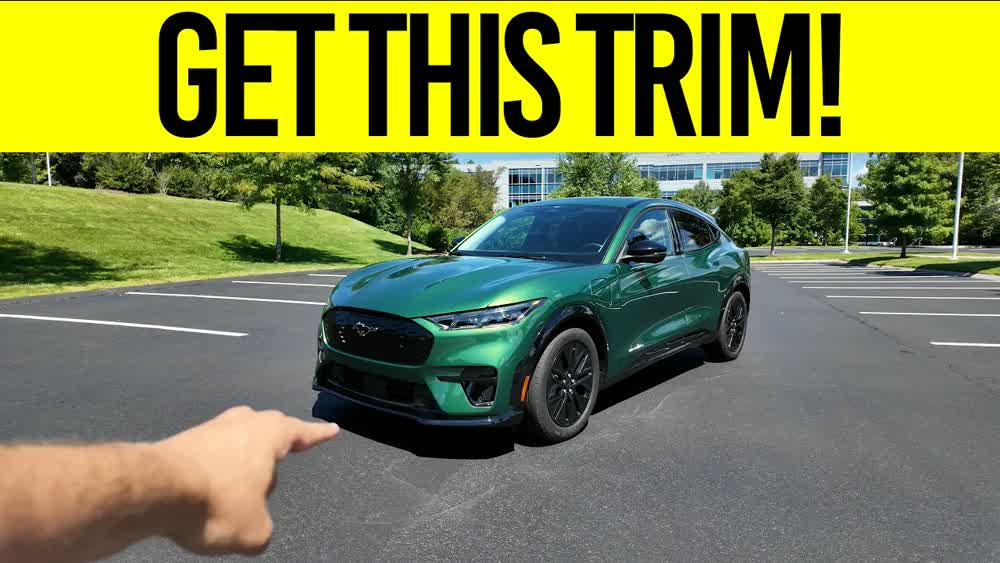
Tesla’s challenges extend beyond just trade-in numbers. The brand is also facing increased competition from other EV manufacturers. According to Edmunds, the Model Y, once a dominant force, is now losing ground to rivals like the Ford Mustang Mach-E, Hyundai Ioniq 5, Kia EV6, and Kia EV9. These competitors offer compelling alternatives that are attracting potential Tesla customers.
Adding to the pressure, Chevrolet reports that Teslas constitute a significant portion (11%) of all trade-ins for its EVs. This trend could intensify as more Tesla vehicles age, and owners begin exploring options from other brands. While the used market hasn’t yet reflected these changes, Edmunds predicts that Tesla could face a “rude awakening” as owners, having paid down their loans, seek alternatives. Brand damage, evidenced by global protests and vandalism, further complicates the picture. How Tesla plans to revitalize its brand and regain customer loyalty remains an open question.
| Competitor | Key Features |
|---|---|
| Ford Mustang Mach-E | Performance-oriented, stylish design. |
| Hyundai Ioniq 5 | Retro-futuristic design, fast charging. |
| Kia EV6 | Sporty handling, long range. |
| Kia EV9 | Spacious three-row SUV, family-friendly features. |