Table of Contents
Tesla CEO Search: Fact or Fiction?
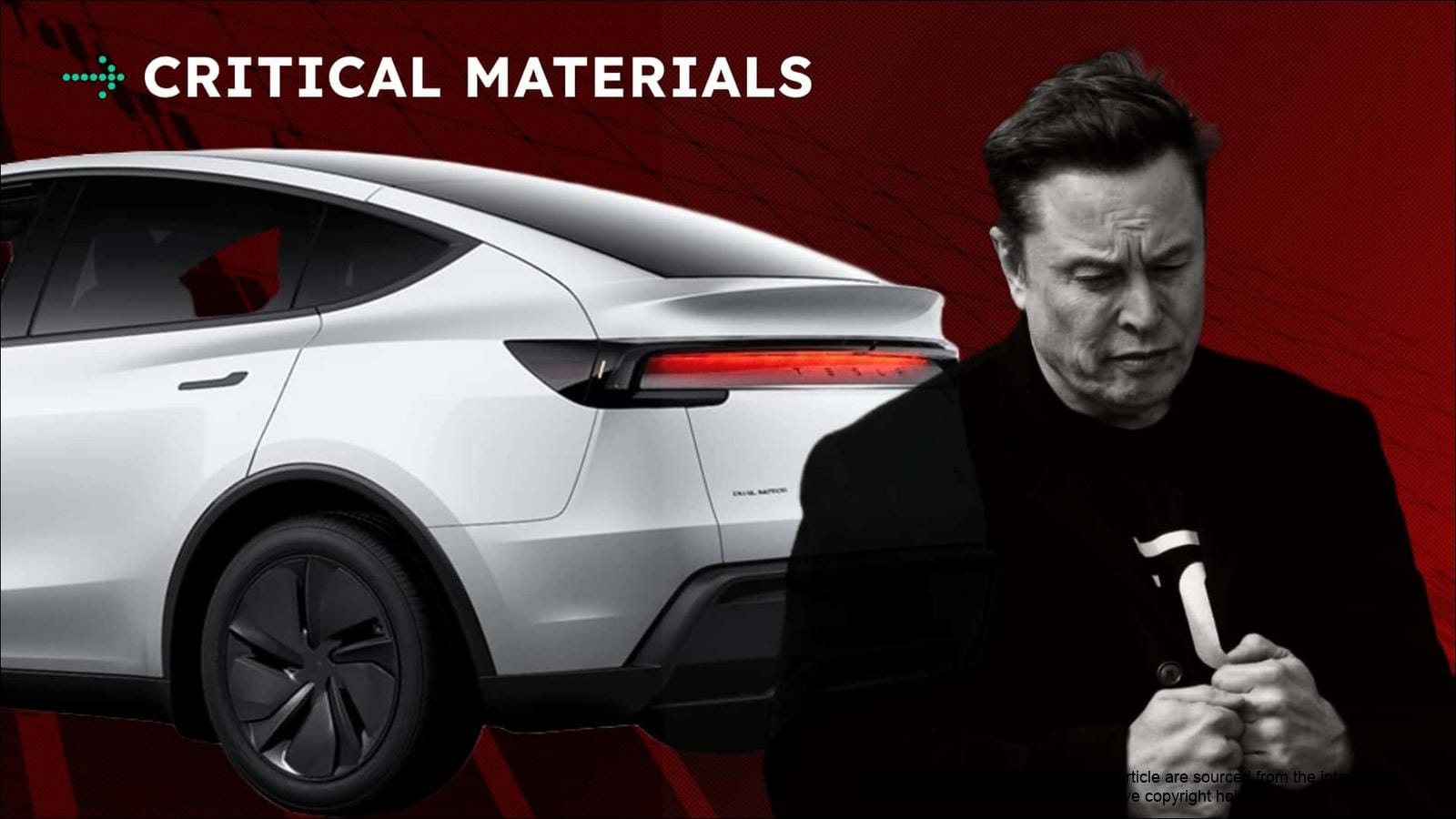
The saga surrounding Elon Musk and Tesla never seems to have a dull moment. Recently, a report from the Wall Street Journal (WSJ) stirred the pot, suggesting that the Tesla board initiated a search for Musk’s replacement as CEO. This news sent ripples through the investment community and tech world, especially given Musk’s prominent, often polarizing, public presence. However, both Musk and Tesla have vehemently denied these claims, adding another layer of intrigue to the story.
According to the WSJ report, the board’s alleged action stemmed from concerns about Tesla’s declining performance, particularly a significant 71% year-over-year drop in revenue, coupled with Musk’s increasing focus on external ventures, including his involvement in governmental matters. Critics have long pointed out that Musk’s divided attention impacts Tesla’s operational efficiency and brand image. The report indicated that the board engaged executive search firms to identify potential successors while supposedly urging Musk to dedicate more time to Tesla. This alleged search occurred approximately a month prior to the report’s publication.
In response to the WSJ’s claims, Tesla and Musk issued strong denials. Tesla’s board chairwoman, Robyn Denholm, labeled the report as “absolutely false,” asserting that this stance was communicated to the WSJ before publication. Musk himself deemed the report an “extremely bad breach of ethics,” emphasizing that the Tesla Board of Directors provided an “unequivocal denial” in advance. This situation highlights the ongoing tension between media reports, corporate governance, and the public perception of Tesla’s leadership.
Leadership Shifts at Tesla: A Closer Look
Beyond the CEO replacement rumors, several other leadership changes and financial activities at Tesla have raised eyebrows. The departure of Vineet Mehta, Tesla’s long-time head of battery architecture, is particularly notable. Mehta, who had been with Tesla for 17 years, was once considered a potential successor to Musk. His exit, along with those of Drew Baglino and JB Straubel, signals a significant shift in Tesla’s engineering leadership.
Adding to the intrigue is the behavior of Tesla’s chairwoman, Robyn Denholm. Critics have observed that Denholm has been actively selling off her Tesla shares. SEC filings reveal that she has accumulated over $600 million in stock compensation over the past decade and has now liquidated a substantial portion of her remaining shares. While there’s no official indication that Denholm is leaving Tesla, her stock sales raise questions about her long-term confidence in the company’s prospects. This activity coincides with internal messaging cautioning employees against selling their stock, creating a potentially unsettling environment within the company.
To summarize these leadership and financial shifts, consider the following table:
| Event | Details | Potential Impact |
|---|---|---|
| CEO Replacement Rumors | WSJ reports Tesla board considered replacing Elon Musk; denied by Tesla and Musk. | Creates uncertainty among investors and employees; impacts brand image. |
| Vineet Mehta’s Departure | Tesla’s head of battery architecture leaves after 17 years. | Loss of key engineering expertise; potential disruption in battery technology development. |
| Robyn Denholm’s Stock Sales | Tesla’s chairwoman liquidates a significant portion of her Tesla shares. | Raises concerns about leadership’s confidence in Tesla’s future; may impact employee morale. |
Ford’s EV Brain Project: What Went Wrong?
In other automotive news, Ford has reportedly scrapped its next-generation “fully networked vehicle” project, known as FNV4. This project aimed to develop a new zonal architecture to underpin future vehicle platforms, regardless of the powertrain. The goal was to modernize the electrical and software underpinnings of Ford’s vehicles, reduce costs, improve quality, and enable faster over-the-air updates.
According to Reuters, Ford abandoned FNV4 due to ballooning costs and delays. The project, which some estimate cost between $10 billion and $15 billion, failed to deliver the promised efficiencies and technological advancements. Terry Woychowski, president at Caresoft Global, described the current state of legacy automakers’ wiring systems as “copper anacondas,” highlighting the complexity and inefficiency compared to the zonal architectures developed by companies like Rivian. Ford’s FNV4 was intended to address this issue, but its failure represents a significant setback in Ford’s EV strategy.
The decision to scrap FNV4 has led to speculation and finger-pointing within Ford. Some employees attribute the project’s failure to Doug Field, a former Tesla and Apple executive who was brought in to lead Ford’s EV efforts. The situation underscores the challenges faced by legacy automakers in transitioning to electric vehicles and modern software architectures. The following table summarizes the key aspects of the FNV4 project and its cancellation:
| Project | Objective | Outcome | Estimated Cost |
|---|---|---|---|
| FNV4 (Fully Networked Vehicle) | Develop a next-generation zonal architecture for Ford’s vehicles. | Project scrapped due to ballooning costs and delays. | $10 billion – $15 billion |