• 13850 CENTRAL AVE, CHINO CA
  • Help@evcube.net
  • Help@evcube.net

$0.00 0

Cart

No products in the cart.

Tesla Cybertruck Loses Autosteer, Used Car Prices Soar


Tesla Cybertruck’s Autosteer Controversy

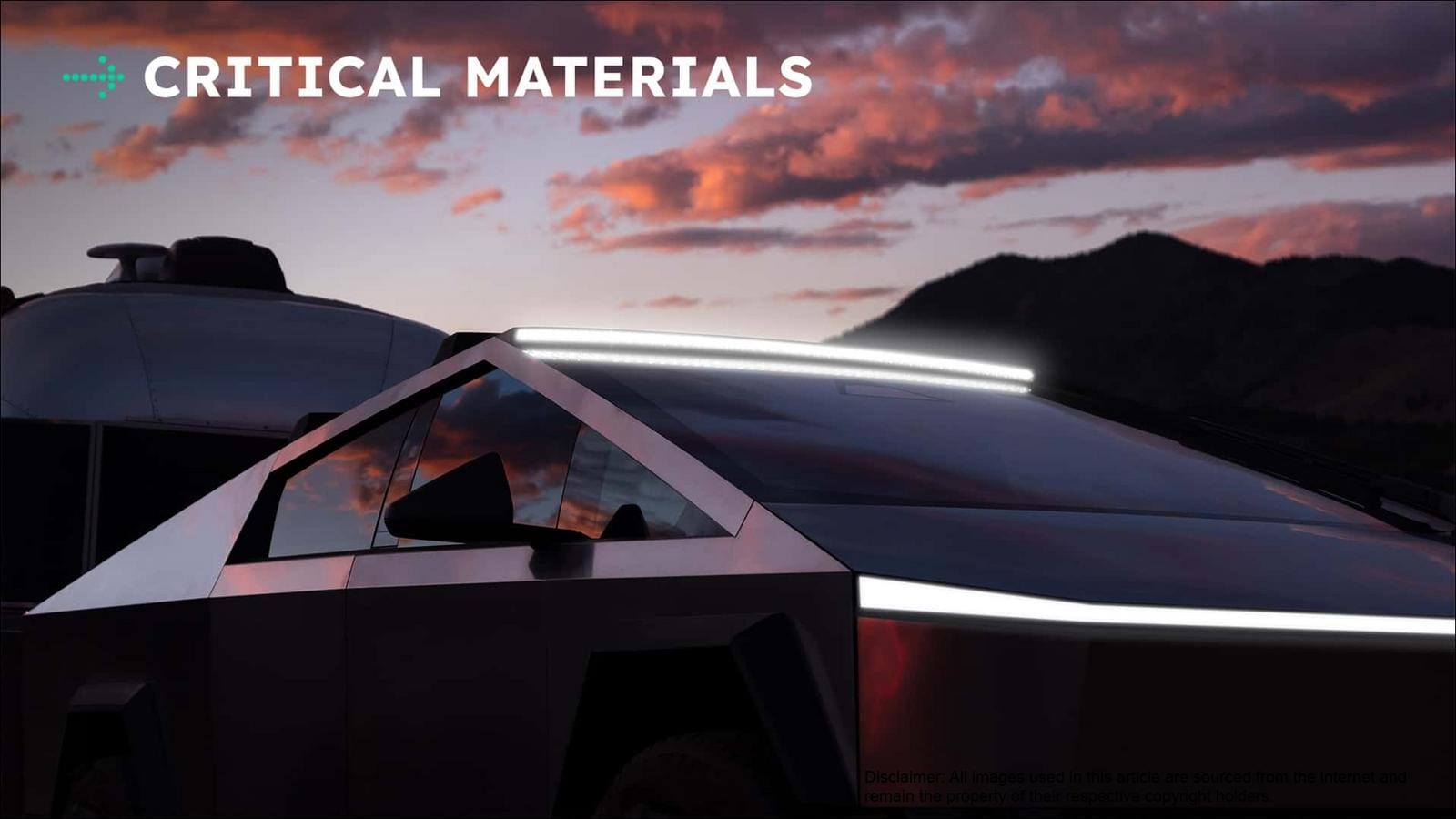
The Tesla Cybertruck, once hailed as a revolutionary vehicle, is facing criticism on multiple fronts. Beyond production delays and the shelving of the Range Extender, a new issue has emerged: the absence of standard Autosteer functionality. This feature, a staple in Tesla vehicles for nearly a decade, is notably missing unless owners opt for the Full Self-Driving (FSD) package. This decision has sparked considerable debate and dissatisfaction among early adopters.

The Missing Feature: Autosteer and Its Implications

Autosteer, a core component of Tesla’s Autopilot system, provides lane-keeping assistance, making highway driving less strenuous. Traditionally, it has been included as a standard feature in all Tesla models. However, Cybertruck owners are discovering that their vehicles only come with Traffic-Aware Cruise Control (TACC) unless they subscribe to or purchase the FSD package. This means that basic lane-keeping, a feature found even in budget-friendly cars, is absent in a truck that can cost upwards of $70,000.

Tesla’s Rationale and Customer Response

Tesla has offered Cybertruck buyers a complimentary one-year subscription to FSD, framing it as a gesture of goodwill and an opportunity to experience the “power of its innovation.” However, many view this as a thinly veiled attempt to compensate for the missing Autosteer feature. The decision to exclude Autosteer has raised questions about Tesla’s long-term strategy, with some speculating it could be a move towards offering more barebones vehicles in the future. This is particularly concerning given Tesla’s plans to release a more affordable $30,000 EV.

A Shift in Documentation

Adding to the confusion, early versions of the Cybertruck owner’s manual indicated that Autopilot would include both TACC and Autosteer. However, Tesla quietly removed references to Autosteer in subsequent updates. This discrepancy has fueled frustration among owners who feel misled about the features included with their purchase. While Tesla maintains that “feature sets will change,” the lack of Autosteer has already led to discussions about potential class-action lawsuits.

Used Car Market Reacts to Tariffs

The used car market is experiencing an unusual surge in prices, defying typical seasonal trends. Instead of the expected post-tax season dip, prices are climbing, driven by anticipation of tariff-induced price hikes on new vehicles. Dealers are scrambling to acquire used car inventory, leading to increased wholesale prices and potentially higher costs for consumers.

The Manheim Index and Wholesale Price Trends

The Manheim Index, a key indicator of wholesale used car prices, has risen 2.7% year-over-year, marking the highest jump since October 2023. This increase signals that dealers expect tighter inventory and rising prices due to stronger demand and market disruptions caused by impending tariffs. According to Cox Automotive, wholesale pricing trends are “much stronger” than usual, reflecting the industry’s anticipation of price increases on new vehicles.

Dealer Strategies and Supply Concerns

Dealers are actively purchasing used cars at auction to build inventory ahead of the anticipated tariff-related price hikes. This proactive approach has led to a decrease in the number of days of supply on hand. Last year, dealers had approximately 46 days’ worth of used retail vehicle supply in April. This year, that number has dropped to just 41 days, highlighting the increased demand and competitive market conditions.

Implications for Consumers

For used car shoppers, the current market conditions present a challenge. The potential for rising prices means that waiting for a better deal may ultimately result in paying more. As Cox Automotive’s Jeremy Robb noted, strong demand in March and April may have pulled some transactions forward as buyers attempted to get ahead of the expected price increases. This suggests that those in the market for a used car may want to consider making a purchase sooner rather than later.

MetricApril 2023April 2024Change
Manheim Index198.5208.2+4.9%
Days of Supply4641-11%


Ford’s Price Adjustments Due to Tariffs

Ford is increasing prices on several North American-built models, including the Mustang Mach-E, Maverick, and Bronco Sport, due to the financial impact of tariffs. These price adjustments reflect the complex interplay of global supply chains and trade policies, even for vehicles assembled within North America.

Tariffs and the Bottom Line

Ford estimates that tariffs will add approximately $2.5 billion to its overall costs for 2025. In response, the automaker is raising prices on select models by as much as $2,000. While these models are assembled in North America, they still rely on parts and components sourced from around the world, making them susceptible to tariff-related expenses. Ford is reportedly absorbing some of the tariff costs to mitigate the impact on consumers.

Model-Specific Price Hikes

The price increases affect vehicles built after May 2nd, with the adjusted prices appearing on dealer lots in late June. According to Reuters, a Ford spokesperson stated that the price hikes reflect “usual” mid-year pricing actions, “combined with some tariffs we are facing.” This suggests that Ford is attempting to balance the need to offset tariff costs with standard pricing adjustments.

Industry-Wide Impact

Ford’s decision to raise prices underscores the broader impact of tariffs on the automotive industry. General Motors has also stated that tariffs will cost the company billions of dollars. These financial pressures are forcing automakers to make difficult decisions about pricing and production, ultimately affecting consumers and the overall competitiveness of the industry.


Frequently Asked Questions


Why doesn’t the Tesla Cybertruck come with Autosteer as standard?

Tesla is not including Autosteer as a standard feature on the Cybertruck, instead offering a free one-year trial of Full Self-Driving (FSD). This decision may be related to feature compatibility, a push for additional revenue, or a potential shift towards offering more basic vehicle configurations in the future.


What is the Manheim Index, and why is it important?

The Manheim Index is a measurement of wholesale used-vehicle prices. It tracks vehicles sold at U.S. auctions and applies statistical analysis to those numbers. A higher index can signal that dealers expect inventory to tighten and prices to rise due to stronger demand, market disruption, or both. It’s an important indicator of trends in the used car market.


How are tariffs affecting new car prices?

Tariffs are increasing the cost of imported parts and components used in vehicle manufacturing. Automakers like Ford are responding by raising prices on certain models to offset these increased costs. The extent to which tariffs affect new car prices depends on the specific vehicle, its parts sourcing, and the automaker’s decision on how much of the cost to pass on to consumers.

    Comments are closed

    Search

    Follow us

    Have any questions?

    • help@evcube.net
    • +1 (510)-878-5951
    level 2 ev charger charging at home,tesla charger for home charging

    Safe

    level 2 ev charger charging at home,tesla charger for home charging

    Speed

    level 2 ev charger charging at home,tesla charger for home charging

    Stylish

    level 2 ev charger charging at home,tesla charger for home charging

    Save

    level 2 ev charger charging at home,tesla charger for home charging

    Smart

    level 2 ev charger charging at home,tesla charger for home charging

    Suitablility

    Tesla Redesigns Doors for Emergency Safety

    Table of Contents 1. Introduction: Tesla's Door Handle Redesign 2. NHTSA Investigation and Safety Concerns 3. Details of the New Door Release Design 4. Global Regulatory Landscape 5. FAQ Introduction:…
    Read more

    Lyft Teams With Waymo to Catch Uber

    Table of Contents 1. Lyft's Pursuit of Autonomous Vehicles 2. The Waymo-Lyft Collaboration: A Game Changer? 3. Uber's Autonomous Driving Initiatives 4. Nashville as the Launchpad for Robotaxis 5. FAQ…
    Read more

    Hyundai’s 600-Mile EREV: 2027 Game Changer

    Table of Contents 1. Hyundai's Electrified Future: The 2027 EREV Launch 2. Understanding Extended Range Electric Vehicles (EREVs) 3. Hyundai's Unique EREV Strategy and Genesis Expansion 4. EREVs in the…
    Read more

    Tesla Redesigns Doors for Emergency Safety

    Table of Contents 1. Introduction: Tesla's Door Dilemma 2. The Proposed Design Change: A Unified Approach 3. NHTSA Investigation and Regulatory Scrutiny 4. Global Impact and Future Solutions 5. FAQ…
    Read more

    BMW: Gas Engines Will Never Die

    Table of Contents 1. BMW's Dual-Track Strategy: EVs and Combustion Engines 2. Market Dynamics Driving BMW’s Decision 3. The Future of BMW Platforms: A Diverse Approach 4. FAQ 1. BMW's…
    Read more

    Tesla FSD vs NYC Chaos: Robotaxi Test

    Table of Contents 1. Introduction: The Tesla Robotaxi Challenge in NYC 2. Navigating NYC with Tesla's Full Self-Driving 3. Tesla's Vision-Based Autonomy vs. the Competition 4. FSD Beyond NYC: Suburban…
    Read more
    evcubnb level 2ev charer,tesla charger,home charger,50a charger,nema 14-50charger

    Any Charging Problem?
    Let Us Know 24/7

    • 13850 CENTRAL AVE, CHINO CA
    • help@evcube.net
    ©2022 EVCUBE - All rights reserved