Table of Contents
The Crucial Role of Auto Suppliers
The automotive industry’s success hinges significantly on its supplier base. Automakers set strategic goals, but the realization of these goals—spanning from product quality and innovative features to cost efficiency and speed of production—is largely dictated by the capabilities of their parts suppliers. A disruption from a single supplier can halt production lines, as seen with the Takata airbag recall and the Bosch diesel software scandal. Conversely, supplier innovation, particularly in areas like EV batteries and Lidar systems, can drive substantial growth and competitive advantage for automakers.
Consider the impact of a reliable battery supplier on an automaker’s EV production. If a supplier can consistently deliver high-quality, cost-effective batteries, the automaker can scale up EV production confidently, meeting market demand and potentially reducing prices to attract more consumers. This illustrates how a strong supplier relationship can translate directly into market success.
Toyota’s Supplier Network Accelerates EV Investments
Toyota, once perceived as a laggard in the global EV race, is now making significant strides, with plans to launch up to 15 EVs by 2027, including models destined for the U.S. This transformation is largely fueled by substantial investments from its key suppliers, who are doubling down on electric vehicle and self-driving technologies.
The combined research and development spending from Toyota’s closest affiliates—Denso, Aisin, Toyota Industries, Aichi Steel, Toyota Gosei, Toyota Boshoku, and Jtekt—is projected to increase by over 7% this year, exceeding $7 billion. A significant portion of this investment is directed towards EVs, hybrids, and autonomous driving technologies, areas critical for Toyota’s future competitiveness. Denso, for example, a major supplier of hybrid units, power control systems, and motor stators, is pivotal in Toyota’s electrification efforts. Aisin, another key supplier, provides a wide array of components, including transmissions, drivetrain parts, brakes, and suspension systems.
Denso’s CEO, Shinnosuke Hayashi, emphasized the company’s strategic shift, stating, “It’s because this is a period of change that we want to increase investment in improving future added value,” citing electrification and advanced driver assistance systems as key growth areas. Executive Vice President Yasushi Matsui further highlighted this commitment by announcing the cessation of investments in internal combustion engines. This decision marks a significant turning point, signaling a broader cultural and technological shift within Japan’s automotive supply chain and providing Toyota with the necessary support to thrive in the EV market.

The Impact of Chinese EVs on Global Markets
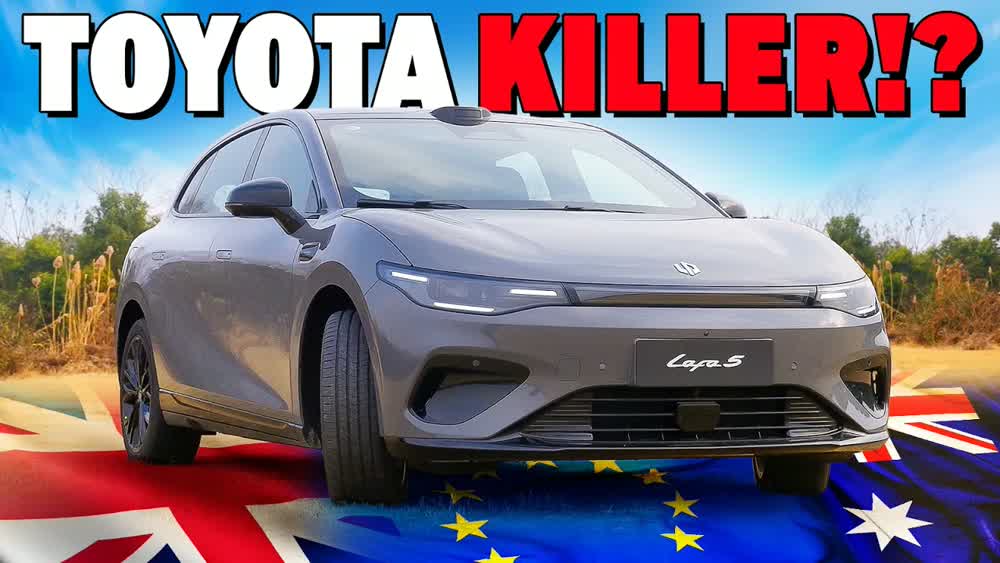
A notable trend in the global EV market is the correlation between the presence of Chinese EVs and higher EV adoption rates. Countries that have embraced Chinese EVs tend to have significantly higher EV adoption compared to those with protectionist policies. This openness fosters competition, pushing incumbent automakers to innovate and improve their EV offerings.
Data from various markets illustrates this point. Australia saw a 145% increase in EV sales from 2022 to 2024, while Thailand experienced a 279% surge, and Brazil witnessed an astounding 500% increase during the same period. These countries share a common factor: the allowance of Chinese EVs in their markets. BloombergNEF research suggests that even in markets where Chinese automakers have a relatively small market share, their presence intensifies competition and drives local automakers to enhance their EV strategies.
Tesla initially disrupted the automotive industry, but Chinese automakers, having learned from Tesla’s playbook, are now rapidly advancing. Their entry into markets, even in a limited capacity, can demonstrate the advancements in EV technology and highlight the advantages over traditional fossil fuel vehicles.
U.S. EV Sales Decline Amid Tariff Concerns
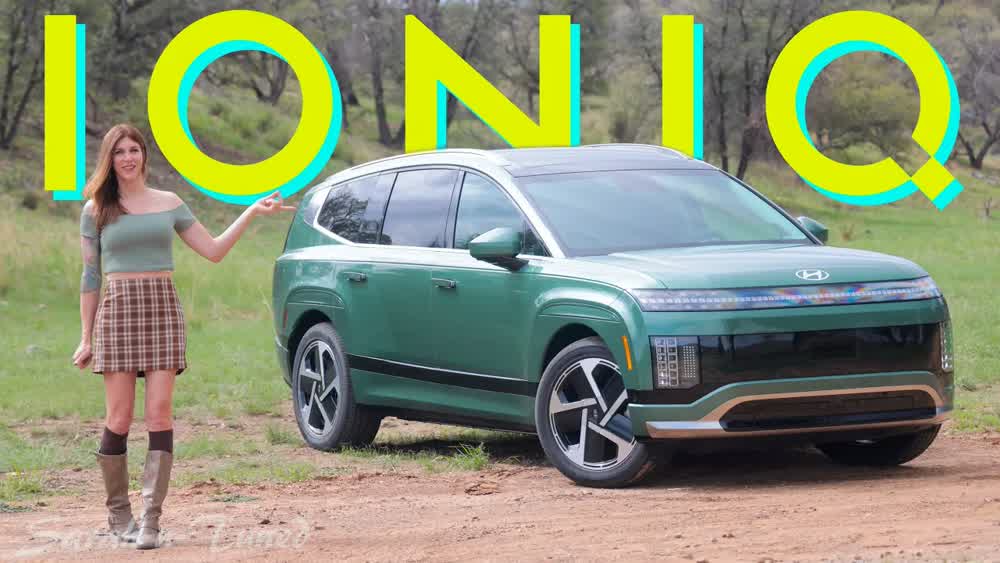
In April, U.S. car buyers showed a preference for gas-powered and hybrid vehicles, potentially driven by concerns over impending tariffs. Consequently, EV sales experienced a notable decline. Hyundai, for instance, saw a 46% increase in hybrid sales, but sales of its Ioniq 5 decreased by 8%. Similarly, Kia EV6 sales plummeted by 68%, and EV9 sales dropped by 85%.
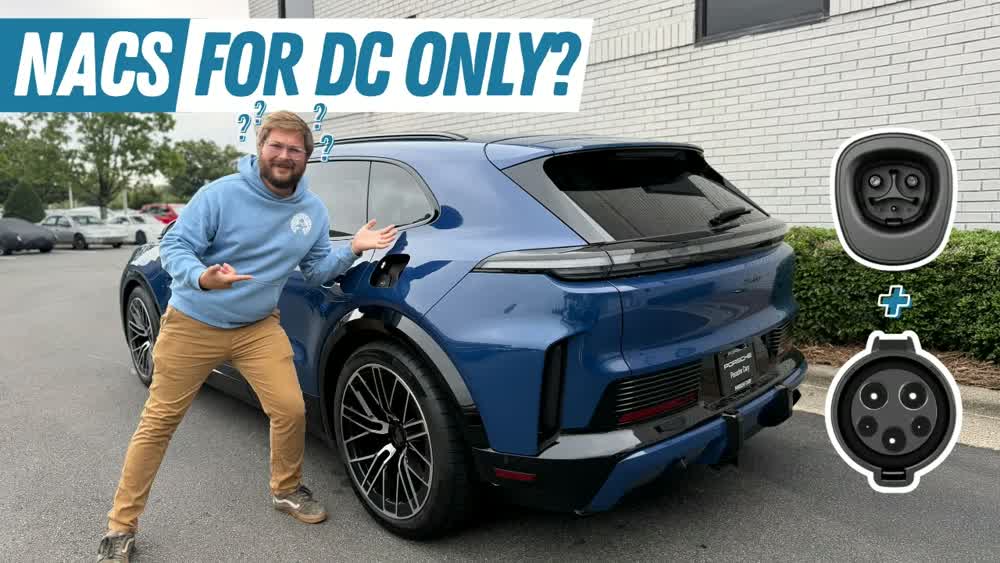
Ford also reported a 40% decrease in EV sales across its Mustang Mach-E, F-150 Lightning, and E-Transit range, partly attributed to model year changes. However, the company’s hybrid vehicle sales surged by nearly 30%. The anticipation of updated EV6 and EV9 models equipped with Tesla’s NACS charging port may have also influenced consumer behavior. The U.S. has imposed significant tariffs on imported cars, with imports from China facing tariffs as high as 145%. While some tariff relief was announced, General Motors projects a potential $5 billion impact from these policies.
Interestingly, the Toyota bZ4x stood out with a 111% sales increase, indicating that certain EV models can still perform well despite the overall market trend. However, the broader decline raises concerns about the potential impact of tariffs on EV sales and the possibility that automakers may shift focus back to more profitable gas-powered vehicles.
Tariffs vs. Affordable EVs: A Critical Balancing Act
Automakers are facing a significant challenge as they navigate the capital-intensive transition to EVs amidst the complexities of tariffs, which can cost billions and reduce profits. The recent downturn in EV sales in April suggests that carmakers may need to re-evaluate their strategies and potentially prioritize gas-powered models to mitigate the impact of tariffs. This shift could hinder efforts to make EVs more affordable, potentially slowing down the overall adoption rate.
As China continues to lead in the EV market, the U.S. faces a critical decision: should it prioritize protectionist policies like tariffs, or should it focus on making EVs more accessible and affordable? The balance between these two approaches will likely shape the future of the EV market in the U.S.